
Finchingfield: an historic Essex village
Finchingfield is a picturesque village and civil parish in the Braintree district of Essex, England, known for its village green, pond, historic buildings and role as a classic example of rural English heritage.
Finchingfield is a village and civil parish in the Braintree district of Essex, England. It is widely regarded as one of the county's most picturesque settlements. The 2001 census recorded 1,348 residents in the parish; the village combines a small residential community with services and attractions that draw visitors and photographers.
Image gallery
7 Images


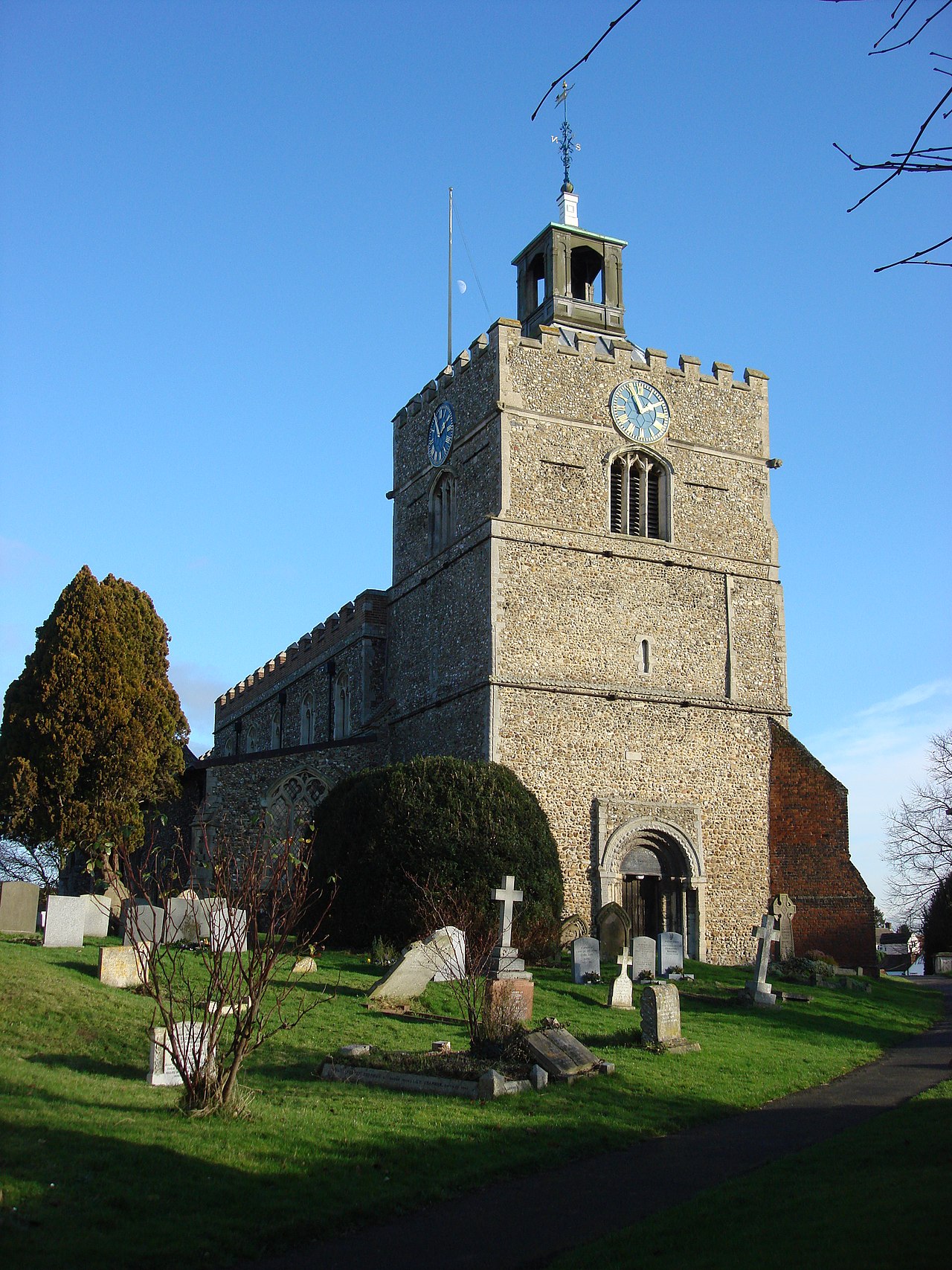


Characteristics and landmarks
Finchingfield retains many features associated with traditional English villages. Visitors often note a broad village green and a small pond framed by cottages, mature trees and historic farm buildings. Architectural styles include timber-framed and flint-built houses, converted barns and a prominent church and former windmill on higher ground. The compact settlement pattern, narrow lanes and preserved buildings contribute to its visual appeal.
History and development
The village grew from agricultural roots and developed around local farmland and lanes. Over centuries it evolved into a stable rural parish with houses clustered around communal open space. Many surviving buildings reflect successive eras of local craftsmanship, repairs and adaptations typical of Essex villages that have been continuously inhabited.
Uses, community and culture
Today Finchingfield functions as both a residential community and a destination for visitors seeking rural scenery. The village supports local amenities and events, and its timeless appearance makes it popular with photographers, painters and occasional film or television crews. Community life mixes conservation-minded stewardship with activities centered on the green and church.
Notable facts and distinctions
- Often cited as an archetypal English village for its green, pond and period cottages.
- Many buildings fall within designated conservation or heritage protection to preserve character.
- Serves as an example of rural settlement patterns in southeast England and attracts cultural tourism.
Finchingfield's combination of traditional architecture, open village space and rural setting makes it a representative and well-loved part of Essex's historic landscape.
Related articles
Author
AlegsaOnline.com Finchingfield: an historic Essex village Leandro Alegsa
URL: https://en.alegsaonline.com/art/34381
Sources
- neighbourhood.statistics.gov.uk : ONS