
Figure‑eight: shape, movement, and knots
Figure‑eight denotes the shape of the numeral 8 or the infinity sign and covers geometric curves, movement patterns in sports and dance, roller‑coasters, and several knots used in climbing and sailing.
Overview
The term figure‑eight describes any form or motion that traces the silhouette of the numeral 8 or the infinity sign. In typographic and symbolic contexts this includes the simple digit shape and the ∞ symbol, sometimes called a lemniscate. The same basic geometry recurs across art, sport, engineering and mathematics as a convenient and symmetric path.
Image gallery
3 Images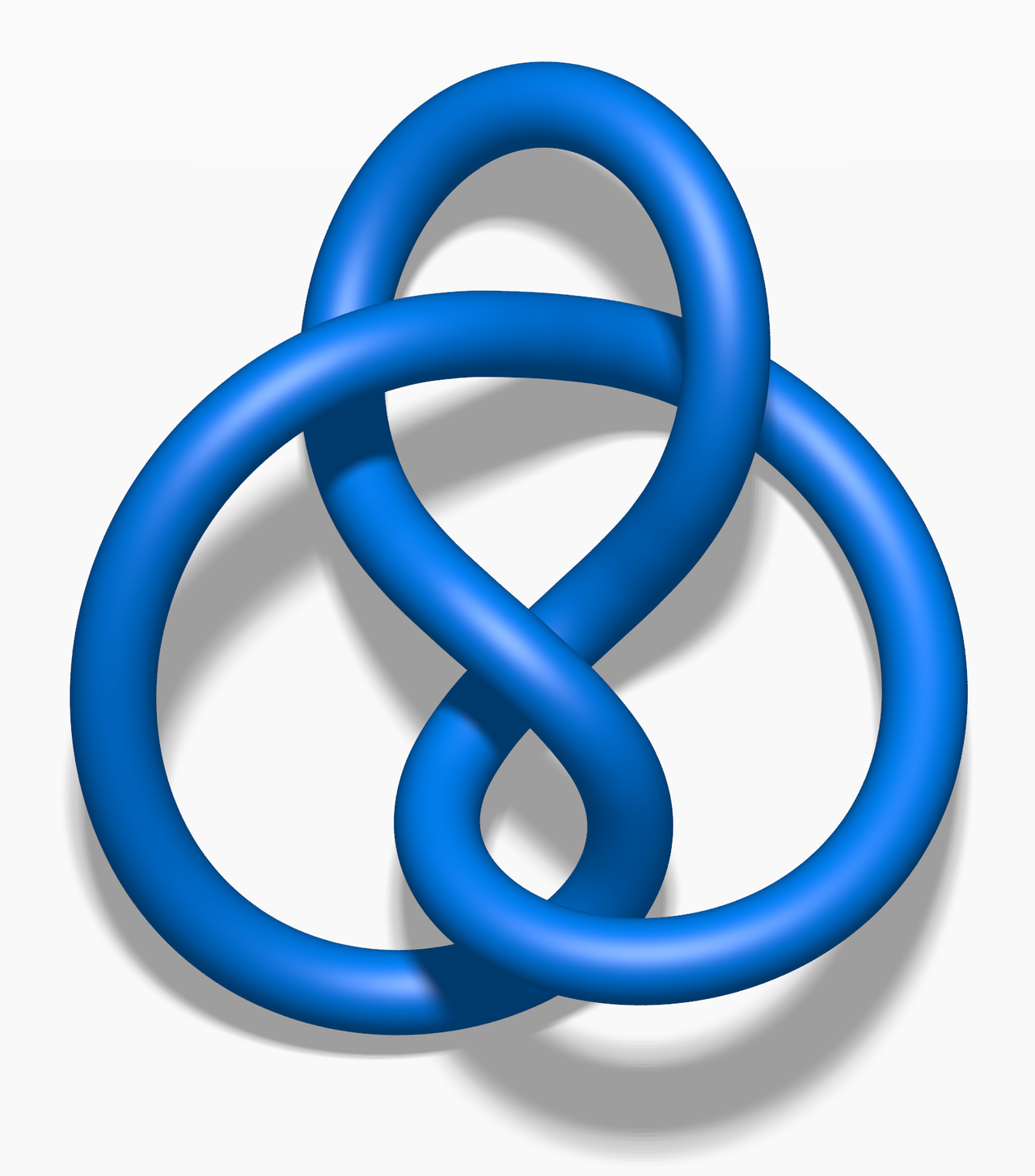


Geometry and variants
Several mathematical curves and planar figures have a figure‑eight appearance. The name lemniscate is often applied to infinity‑shaped algebraic curves; other families such as certain Lissajous figures and the classic "figure‑eight" or lemniscate of Bernoulli produce similar loops. These variants differ by loop size, symmetry and whether they touch at a single crossing or have a slight gap.
Historical and practical origins
Figure‑eight motifs have long been used where symmetrical, repeatable motion is needed. The shape was adopted in early instruction and testing for figure skating and appears in traditional riding patterns and carriage driving. In many crafts and sports the pattern serves both aesthetic and practical purposes: it balances forces, reverses direction smoothly, or creates a compact path for continuous motion.
Uses and examples
Figure‑eight paths and forms appear in a wide range of activities and designs. Examples include:
- Sporting circuits and courses: some auto racing tracks and recreational tracks use intersecting figure‑eight layouts to create overtaking opportunities and cornering challenges.
- Watercraft and sailing drills: short training courses and tacking patterns may follow figure‑eight shapes to practice maneuvers (sailing).
- Performing arts and movement: dancers and skaters use figure‑eight steps as basic patterns; roller coasters and fairground rides sometimes use the motif for visual interest and compact routing.
- Symbolic use: the infinity symbol and other emblems rely on the same continuous looping idea for metaphorical meaning.
- Basic reference: the simple digit 8 as a visual model (number 8).
Knots and technical applications
In ropework the figure‑eight name applies to several related knots. In mathematical knot theory a figure‑eight knot is a specific nontrivial knot type studied for its topology and properties (knot theory). In practical ropework a figure‑eight stopper, figure‑eight loop and the figure‑eight bend are widely used: the stopper prevents ropes from slipping through openings, a figure‑eight loop makes a reliable fixed eye, and the bend joins two ropes securely. These knots are favored for their relative simplicity, strength and ease of inspection.
Notable distinctions and facts
Although many objects and motions are described as figure‑eight, they are not all identical: mathematical lemniscates differ from practical loops used in sport or ropework; a figure‑eight track is defined by its intersection and flow rather than by precise geometric equations. The motif persists because it combines symmetry with continuous reversal, giving both visual appeal and technical utility across disciplines.
Questions and answers
Q: What is a figure eight?
A: A figure eight is anything that is in the shape of the number 8 or the infinity symbol ∞.
Q: Where is movement in the shape of a figure eight done?
A: Movement in the shape of a figure eight is done in ice skating, auto racing, sailing, horse riding, and dancing.
Q: What is a figure-eight knot?
A: A figure-eight knot is a type of knot in knot theory.
Q: What is another type of figure-eight knot?
A: Another type of figure-eight knot is the figure-eight loop.
Q: What is a figure-eight bend?
A: A figure-eight bend is a type of knot that can be tied on a rope.
Q: In what other context can figure eights be found?
A: Some roller coasters are shaped like a figure eight.
Q: What are some activities that utilize movement in the shape of a figure eight?
A: Ice skating, auto racing, sailing, horse riding, and dancing are some activities that utilize movement in the shape of a figure eight.
Related articles
Author
AlegsaOnline.com Figure‑eight: shape, movement, and knots Leandro Alegsa
URL: https://en.alegsaonline.com/art/34270