
Auto racing (motorsport)
Auto racing is competitive motorsport where purpose-built or modified cars race on circuits or closed roads. It includes single-seaters, touring, rally, drag and endurance events with global cultural and technical impact.
Auto racing, also called automobile racing, autosport or motorsport, is organized competition in which drivers and vehicles race to achieve the fastest time or finish position. Events take place on permanent circuits, temporary street courses or closed public roads. Modern auto racing blends athletic skill, vehicle engineering and team strategy, and ranges from short sprints to multi-hour endurance contests.
Image gallery
10 Images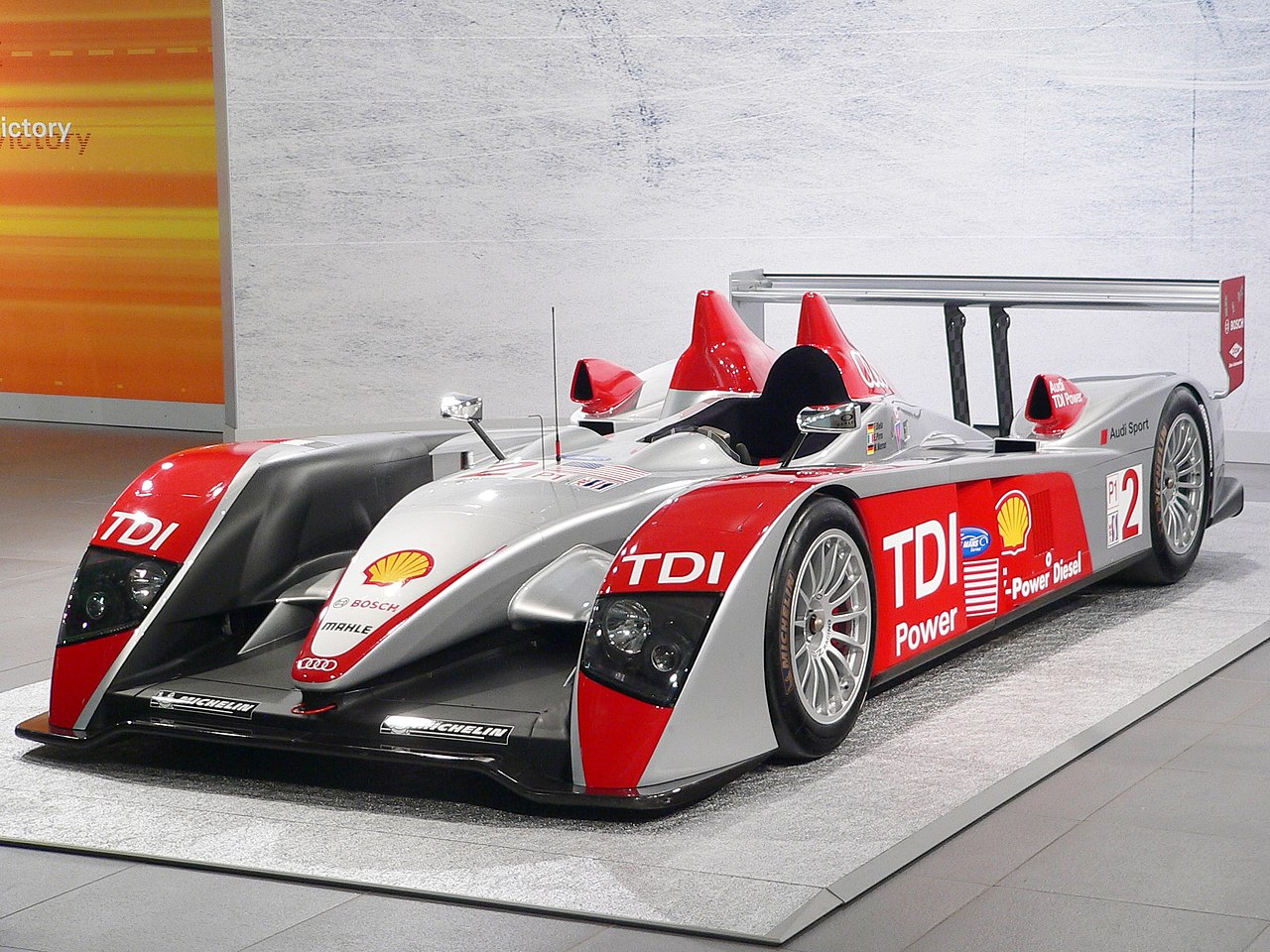






Main categories
- Single-seaters: Lightweight, purpose-built cars for circuit racing (e.g., top-level open-wheel series).
- Touring and stock cars: Production-based vehicles modified for closed-circuit competition.
- Sports cars and endurance: Multi-class races focused on reliability and night running.
- Rally: Timed stages on varied surfaces, held on closed public roads or off-road sections.
- Drag racing: Short, straight-line acceleration contests over a set distance.
Vehicles vary from highly specialized prototypes to heavily modified road cars. Important components include the powertrain, chassis, aerodynamics, tires and brakes. Teams also depend on electronics, telemetry and pit operations to optimize performance. Safety systems—roll cages, crash structures, helmets, fire suppression and circuit barriers—are central to modern competition.
Origins and development
Organized auto racing dates back to the late 19th century; one of the earliest recorded events was held in France in 1895. Since those early reliability trials and city-to-city races, the sport evolved rapidly as manufacturers and privateers used competition to test new technologies such as brakes, tires and engines. Over the 20th century the sport professionalized, with national and international sanctioning bodies, championships and standardized rules.
Uses, significance and culture
Auto racing serves multiple roles: a spectator sport with passionate fanbases, a marketing platform for manufacturers and sponsors, and a development laboratory for automotive technology that often filters down to road cars. Iconic events combine national pride, commercial investment and broadcast reach to create major cultural spectacles. Grassroots racing remains important for driver development and local motorsport ecosystems.
Distinctions and notable aspects
Racing formats differ in strategy and skills required—sprint races reward outright speed and qualifying, while endurance events demand consistency, reliability and team coordination. Tactics such as drafting, pit-stop strategy and tire management influence outcomes. Regulations vary by series to balance competition and control costs. For further technical or historical context see resources on racing cars.
Related articles
Author
AlegsaOnline.com Auto racing (motorsport) Leandro Alegsa
URL: https://en.alegsaonline.com/art/7588