
Fight Club (novel)
A concise, neutral overview of Chuck Palahniuk's 1996 novel Fight Club: plot, characters, themes, publication, reception, and its cultural legacy including the film adaptation.
Overview
Fight Club is a novel by Chuck Palahniuk, first published in 1996. Written in a spare, confrontational style, it follows an unnamed narrator who struggles with chronic insomnia and alienation. The story traces his relationship with the charismatic Tyler Durden and the emergence of an underground group where men meet to fight as a way to feel alive and escape modern consumer culture.
Image gallery
2 Images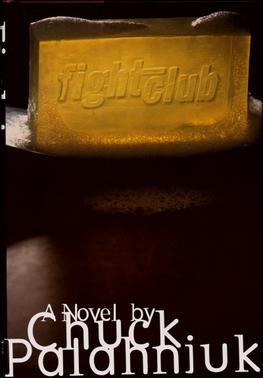

Narrative, characters and structure
The novel is told in first person and mixes dark humor with violence and surreal episodes. Key figures include:
- The unnamed narrator — a disaffected office worker whose insomnia and dissatisfaction set the plot in motion.
- Tyler Durden — a magnetic, subversive figure who proposes the creation of a fight club and later a more extreme organization.
- Marla Singer — a troubled woman who becomes a complicated object of attachment for the narrator.
Themes and style
Palahniuk explores themes such as anti‑consumerism, masculinity, alienation, and the search for meaning in late‑capitalist society. The prose is direct and repetitive at times, employing short sentences and vivid imagery to convey the narrator's deteriorating grasp on reality. The book is often cited as an example of transgressive fiction: it deliberately provokes and challenges social norms.
Publication, reception and legacy
Originally published by W. W. Norton & Company in the mid‑1990s, the novel received mixed critical response on release but quickly gained a large readership and cult status. Its blunt critique of contemporary life and memorable passages helped it find a lasting place in popular culture. In the late 1990s the book reached a wider audience through a high‑profile screen adaptation: the film adaptation starred Brad Pitt and Edward Norton, which further amplified the novel's influence.
Notable facts and distinctions
Fight Club is often discussed in relation to debates about violence in fiction, the portrayal of masculinity, and media influence. Its provocative ending and open questions about identity have made it a frequent subject of literary analysis and cultural critique. While some readers celebrate its critique of materialism, others criticize its methods and tone; regardless, it remains a widely referenced work of late‑20th‑century American fiction.
Further reading and contexts
Readers approaching the novel for the first time may find it helpful to read it alongside discussions of transgressive literature and critiques of consumer culture. Scholarly and popular analyses examine both the book's literary techniques and its broader social commentary. For background on the author and related topics, see the linked resources above.
Related articles
Author
AlegsaOnline.com Fight Club (novel) Leandro Alegsa
URL: https://en.alegsaonline.com/art/34258