
Ferrari S.p.A.: Italian sports cars and motorsport legacy
Ferrari S.p.A. is an Italian manufacturer of high-performance sports cars and a storied racing team, known for luxury road cars, Formula 1 success and limited, track-oriented models.
Overview
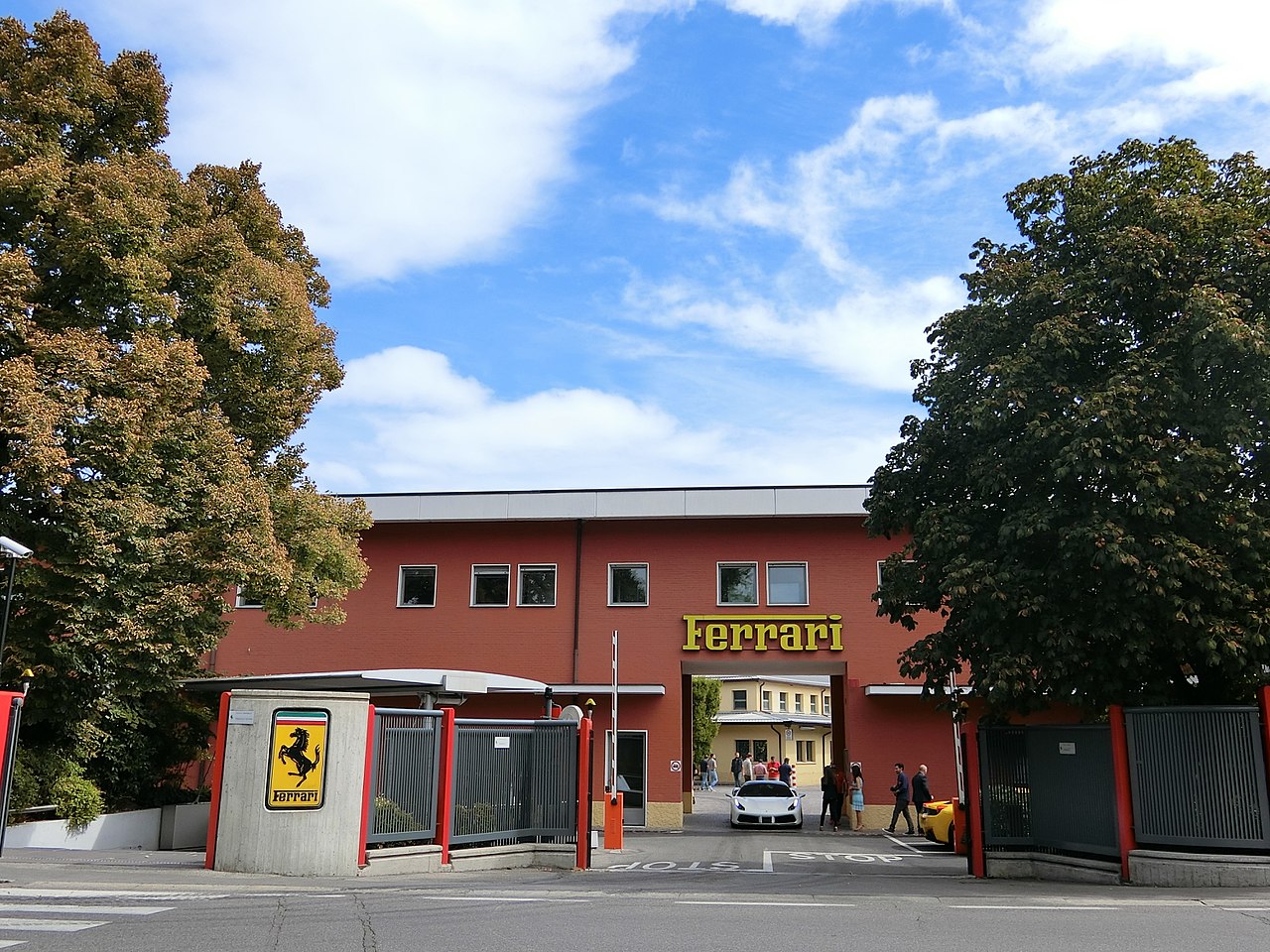
Ferrari S.p.A. is an Italian manufacturer of high-performance sports cars and a prominent presence in international motorsport. Based in Maranello, Italy, the company is recognized for combining advanced engineering, bespoke craftsmanship and distinctive styling. Ferrari produces road-going grand tourers and supercars as well as highly specialised, limited-run models that are sometimes intended primarily for track use. The marque's reputation blends technological innovation with an image of exclusivity and luxury.
Image gallery
10 Images


Design, engineering and characteristics
Ferrari models typically emphasize lightweight construction, powerful engines and precise chassis dynamics. Historically the company has used V12 and V8 engines as primary configurations, and in recent years introduced hybrid drivetrains on some flagship models. Materials such as aluminium alloys and carbon fibre are used extensively to reduce weight and improve stiffness. Inside, Ferraris balance performance-focused ergonomics with premium materials and hand-finished details; many buyers also choose bespoke options through the manufacturer's tailor-made programmes.
History and development
The roots of Ferrari lie in the racing activities of Enzo Ferrari in the early 20th century. The first car to carry the Ferrari name appeared shortly after World War II, and the firm grew from a racing workshop into a manufacturer of road cars designed both to fund racing efforts and to embody the company's sporting ethos. Over decades Ferrari has become synonymous with motorsport success, particularly in single-seater racing, while its road cars evolved from lightweight sports cars to technologically advanced supercars and hybrid hypercars.
Notable models and motorsport
Several Ferrari models have become influential for their engineering or iconography. Early postwar cars include the marque's first sports-racing types; later models such as the F40, Enzo and LaFerrari have highlighted the firm's technical ambitions. Ferrari has an extensive racing history, most famously in Formula 1 where it is the sport's oldest and one of the most successful constructors. In addition to road-legal cars, Ferrari creates track-focused variants and one-offs; some of these are produced in tiny series and are often supported by factory services and exclusive driving programmes.
Business, ownership and cultural impact
Ferrari operates as both a luxury automobile maker and a brand with substantial cultural influence. Its cars command premium prices and attract collectors; limited editions and special programmes can generate intense demand. The prancing horse emblem and the company’s red livery have cultural resonance beyond motoring, appearing in fashion, media and popular culture. Ferrari also runs customer racing initiatives and driving experiences that connect owners with the brand's motorsport heritage.
Distinctive facts and examples
- First road car: the marque’s earliest models established its identity as a builder of sporting cars.
- Limited-run, track-oriented projects: Ferrari has produced bespoke track cars intended primarily for closed circuits; some of these are retained, managed or supported by the company.
- Relationship with notable drivers: Ferrari’s racing history includes partnerships with celebrated drivers who contributed to its sporting success.
- Modern diversification: alongside combustion-engine supercars, Ferrari has developed hybrid technology for flagship models and continues to explore performance-focused electrification.
Further reading and external resources
For a range of official and specialised resources about Ferrari's models, history and programmes, consult the following links:
- Official company information
- Model lineups and specifications
- Motorsport activities and team history
- Flagship and limited models overview
- Technical features and powertrain information
- Safety and homologation notes
- Factory events and driving experiences
- Notable drivers and sporting achievements
- Special liveries and one-off commissions
- Collectors’ editions and restorations
- After-sales services and owner programmes
While Ferrari continues to evolve technologically and commercially, its identity remains tied to high performance, racing pedigree and an enduring appeal among enthusiasts and collectors worldwide.
Related articles
Author
AlegsaOnline.com Ferrari S.p.A.: Italian sports cars and motorsport legacy Leandro Alegsa
URL: https://en.alegsaonline.com/art/34078