
Oliver Twist: Dickens's social novel about childhood, crime and redemption
A clear, concise overview of Charles Dickens's Oliver Twist: its plot, characters, themes, publication history, controversies, and major adaptations.
Overview
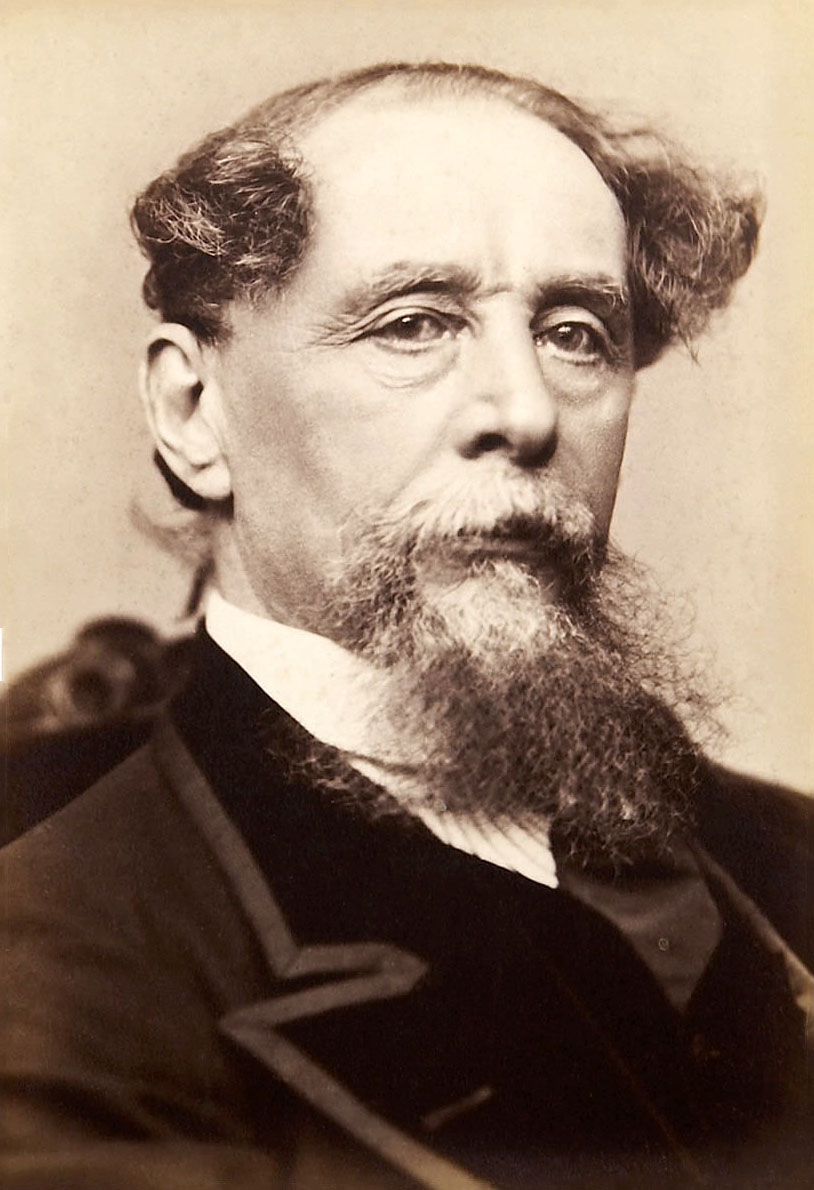
Oliver Twist; or, The Parish Boy's Progress is the second novel by Charles Dickens. First issued in serial form in the late 1830s and published in book form by Richard Bentley in 1838, it follows the fortunes of a young orphan, Oliver, as he moves from a workhouse into the criminal underworld of London and, ultimately, toward shelter and family connections. The story mixes moral drama, social observation and vivid characterisation to address poverty, childhood and institutional failure in Victorian England.
Image gallery
10 Images



Plot and principal characters
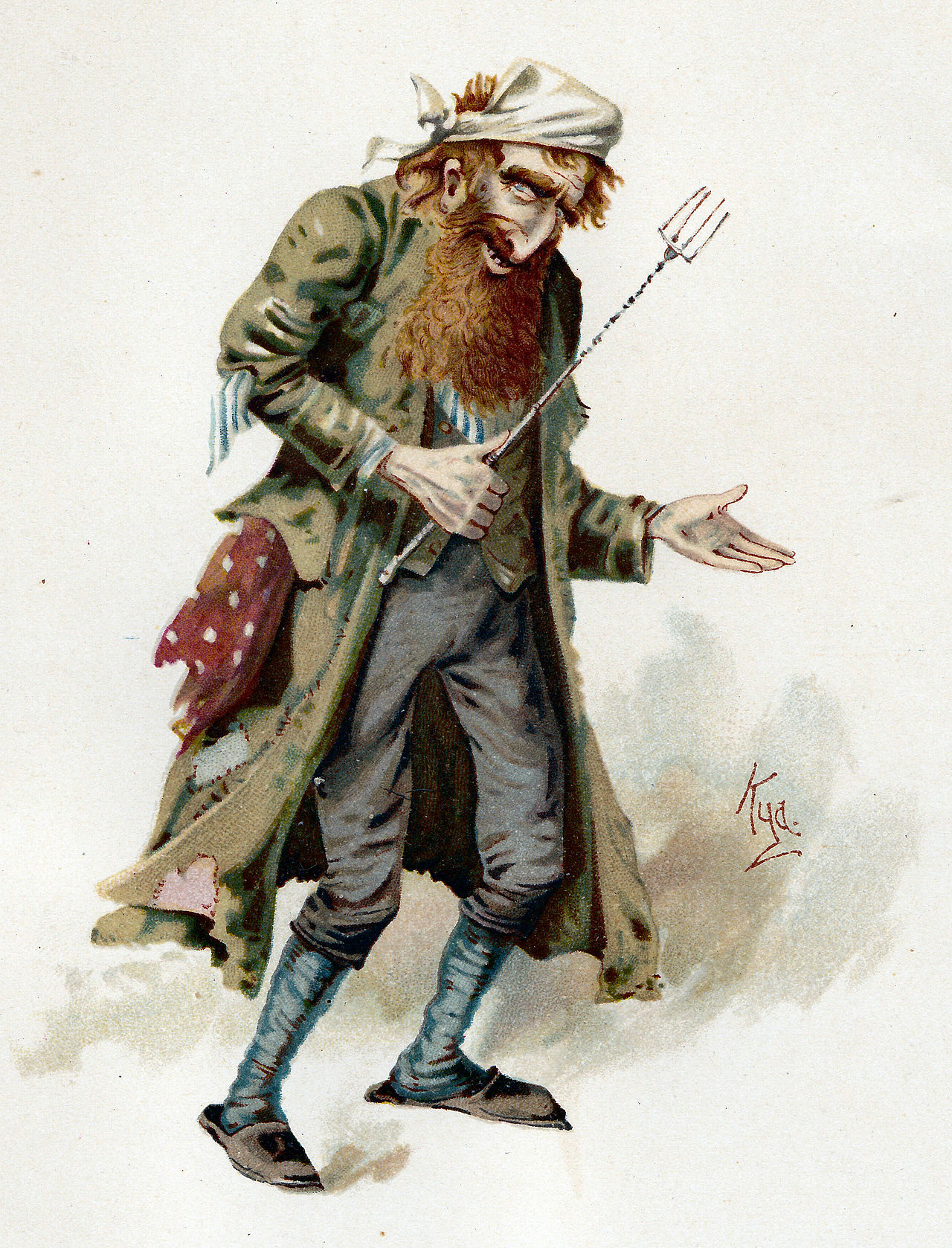
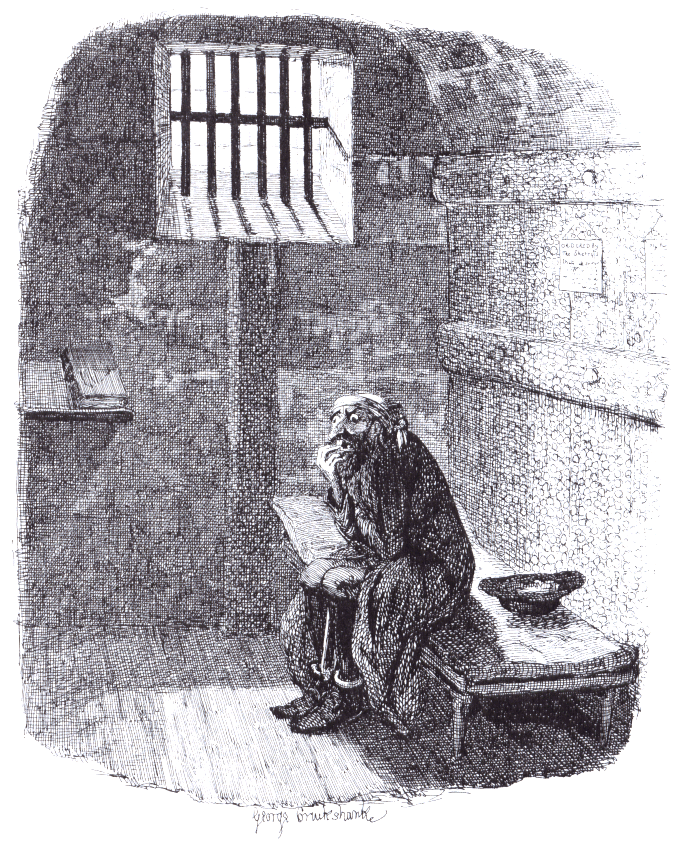
The narrative follows Oliver after he dares to request more food at the workhouse and is subsequently sold into apprenticeship. After escaping to London, he is taken in by a gang of juvenile thieves under the tutelage of the elderly Fagin. Key figures include the cunning young pickpocket the Artful Dodger, the violent Bill Sikes, the tragic Nancy, and the benevolent Mr. Brownlow who becomes a protector and investigator of Oliver's past.
- Oliver Twist — the innocent protagonist whose resilience and goodness are tested.
- Fagin — an older criminal who trains children to steal.
- Artful Dodger (Jack Dawkins) — a charismatic pickpocket.
- Bill Sikes — a brutal burglar whose actions escalate the plot.
- Nancy — a complex figure torn between loyalty and conscience.
- Mr. Brownlow and other guardians — figures who represent rescue and social respectability.
Themes and social context
Oliver Twist is widely regarded as an early example of the social novel: it brings public attention to child labour, the harsh realities of workhouses, the recruitment of children into criminal networks, and the visible poverty of urban life. Dickens used melodrama and memorable personalities to criticize public institutions and social indifference while also exploring themes of identity, family ties and personal redemption.
Origins, reception and controversies
The novel was shaped by contemporary reports of child suffering and by Dickens's own childhood experiences in a blacking warehouse. Some stories circulating in the 1830s — for example accounts like Robert Blincoe's — helped popularise the problems Dickens dramatized. At the time of publication the book was both popular and polemical: readers praised its energy and social purpose, while others objected to its sensationalism. In later decades critics have debated Dickens's depiction of Fagin and the use of Jewish stereotypes; Dickens himself altered some stage and later editions in response to criticism.
Adaptations and legacy
The novel has inspired numerous stage, film and television versions. A long-running stage musical, commonly known as Oliver!, introduced the story to new audiences; screen versions include a 1948 film featuring Alec Guinness as Fagin and later cinematic treatments that reached global audiences. Popular culture has also reinterpreted the tale: for example, the story was adapted into a family-oriented animated film called Oliver & Company. The novel's focus on youth in urban poverty influenced later writers and shaped public debate about child welfare.
Why it matters
Today Oliver Twist remains studied for its combination of social critique and narrative craft. It continues to be read as a work that shaped Victorian attitudes toward poverty and reform, and as a vivid example of Dickens's ability to blend social purpose with memorable storytelling. For further primary and scholarly resources see author and edition records, including references to the work as Dickens's second novel.
Related articles
Author
AlegsaOnline.com Oliver Twist: Dickens's social novel about childhood, crime and redemption Leandro Alegsa
URL: https://en.alegsaonline.com/art/72405