
Ticket (admission)
A ticket is a paper or digital credential that grants entry or the right to use a service. This article explains types, common features, history, distribution methods, and practical issues like e‑tickets and resale.
Overview
A ticket is a physical or electronic credential that proves a person has the right to enter a venue, board transport, or use a service for a specified time or purpose. Traditionally issued as printed paper, a paper ticket contains visual and coded elements that staff or machines check before admission. Modern systems increasingly replace paper with mobile displays, smartcards, or tokens.
Image gallery
10 Images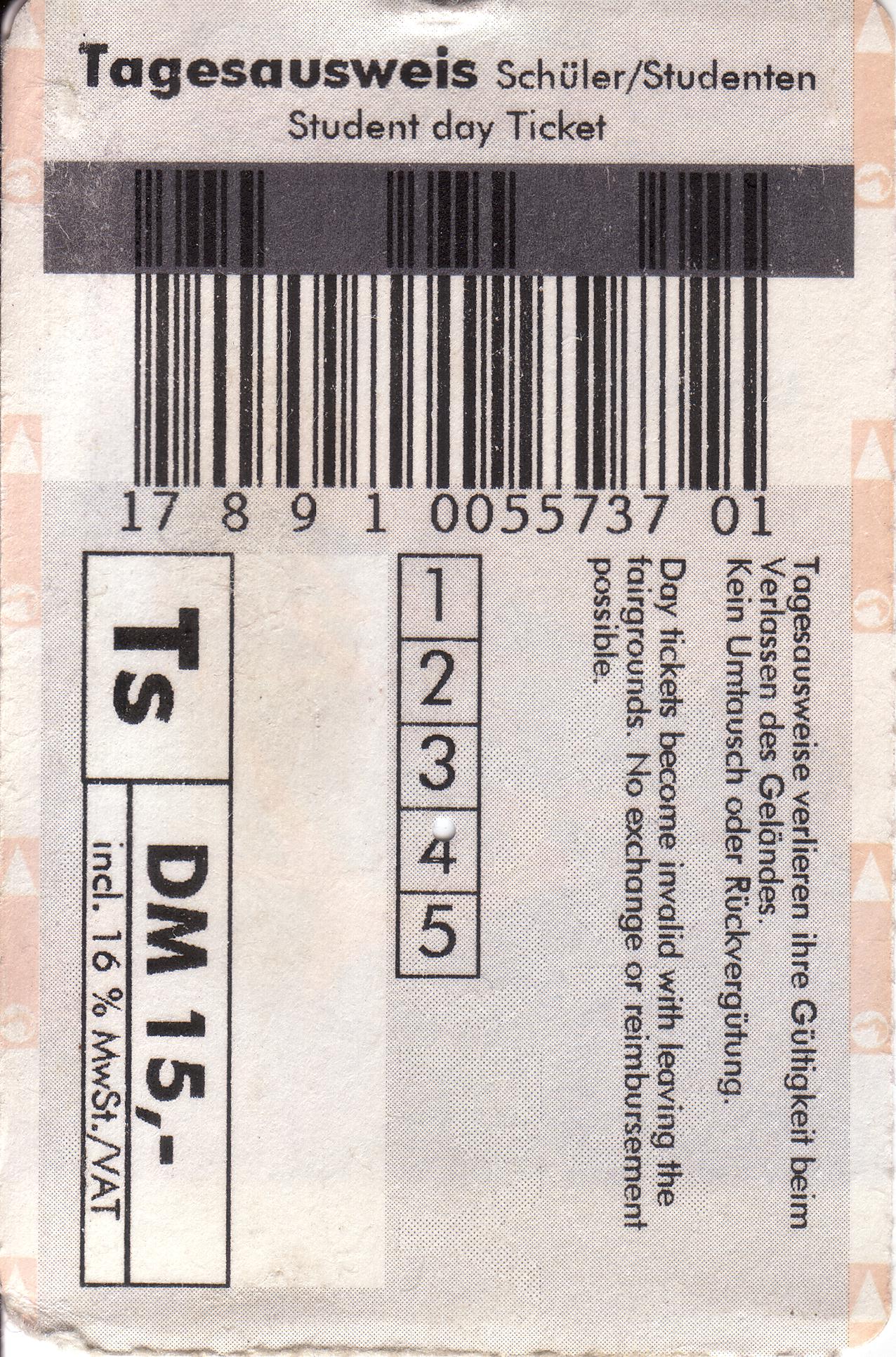



Common features and design
Most tickets include identifying and transactional data used for validation and recordkeeping. Typical printed elements are event/date/time, seat or class, price, and a unique identifier such as a serial number. Machine-readable elements—barcodes, QR codes, magnetic stripes or RFID—allow automated scanning. Tickets for public transport or one-time services often show fare rules and expiry; for example, a transport ticket may indicate zones and transfer allowances.
Types and common uses
Tickets serve a variety of contexts:
- Event admission: concerts, theater, cinema, sports.
- Transport: single-ride, day passes, season passes.
- Access control: museums, exhibitions, restricted areas.
- Transactional receipts: parking, tolls, or timed services.
At some toll roads and paid car parks users take a paper token at entry and pay on exit; this token system is a familiar tolling method (toll token example).
History and technological development
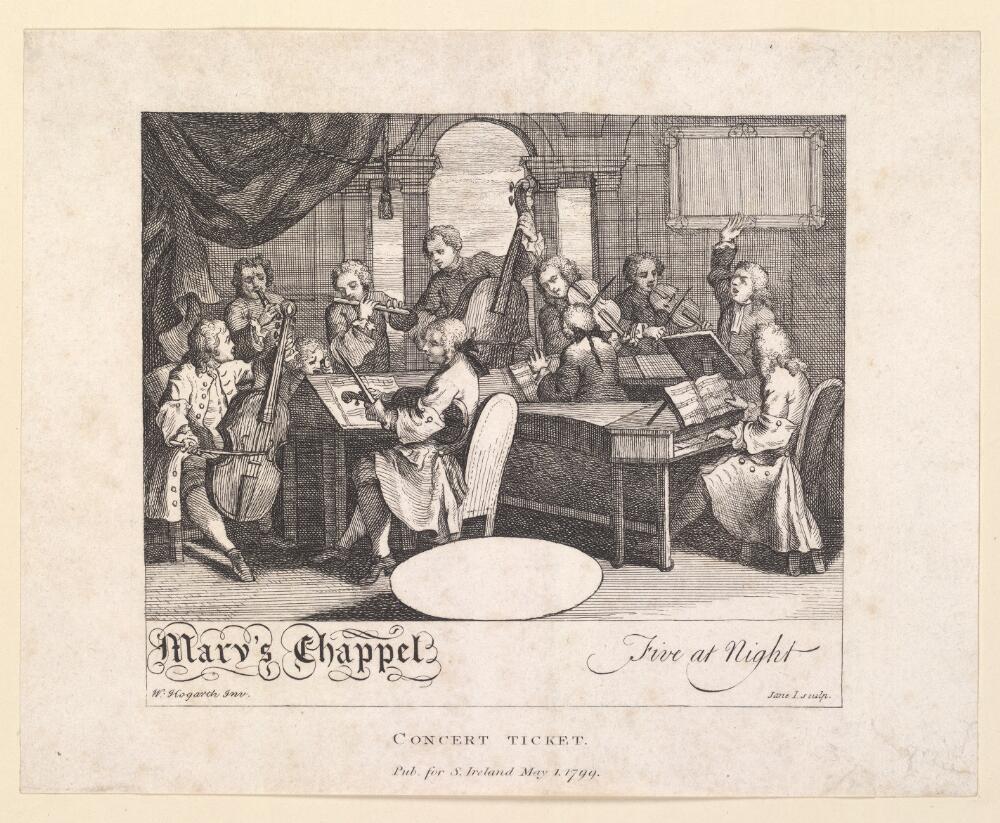
Admission tokens and tickets have roots in ancient receipts and tokens used to allocate rations or market stalls. The mass‑printed ticket emerged with public entertainment and rail travel in the 19th century. In recent decades digital ticketing—PDF passes, QR codes and mobile apps—has reduced the need for paper; a ticket displayed on a device screen is often accepted in place of paper (mobile e‑ticket).
Distribution, control and notable issues
Tickets are distributed at box offices, vending machines, online platforms and third‑party sellers. Systems include seat assignment, barcode validation, and turnstiles or inspectors. Contemporary challenges include unauthorized resale (scalping), fraud through copied codes, dynamic pricing, and accessibility for those without smartphones. Event organizers and transport operators balance convenience, security, and fairness when choosing ticket formats.
Practical distinctions
Some tickets are transferable while others are nominal and non‑transferable; some require validation on first use. Collectible or historic tickets also have cultural value beyond their original function. Understanding the type, terms and accepted formats helps avoid denied entry and ensures compliance with venue or carrier policies.
Author
AlegsaOnline.com Ticket (admission) Leandro Alegsa
URL: https://en.alegsaonline.com/art/99788