
Fayette County, Illinois — overview, history, and local features
Fayette County, in south-central Illinois, is a largely rural county centered on the city of Vandalia. This article summarizes its geography, history, economy, communities, and notable facts.
Fayette County is a county in the state of Illinois with a mix of small cities, towns and agricultural land. Its county seat is Vandalia, a community known for early state history and civic landmarks. The county lies within a region of rolling prairie and farmland and serves as a local hub for county services, schools and events. For official information and local services see Fayette County official site.
Image gallery
6 Images

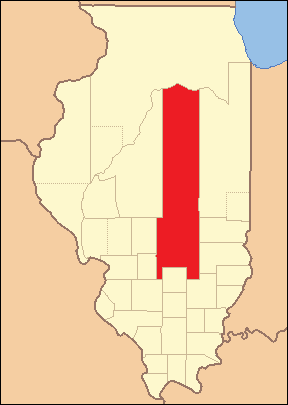
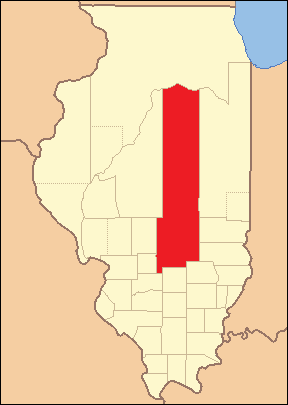

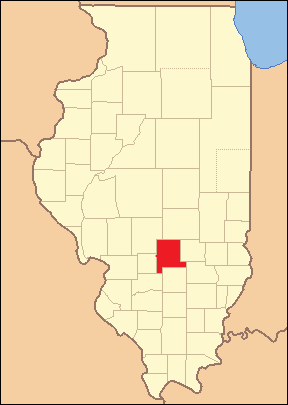
Geography and communities
The county covers a predominantly rural landscape of fields, woodlots and small waterways. Apart from Vandalia, it includes several townships and smaller towns that provide residential neighborhoods, local businesses and community institutions. Transportation is largely by state and county roads, connecting residents to nearby regional centers in Illinois. The county's mix of settlements ranges from small residential villages to larger service centers.
- County seat: Vandalia, with historical public buildings and community services.
- Rural townships and villages that support farming and small businesses.
- Parks, fairgrounds and local civic organizations that host annual events.
History and development
Fayette County was organized in the early years of Illinois statehood and takes its name from the Marquis de Lafayette, a symbol of support for the young United States after the Revolutionary War. Vandalia, the county seat, played a role in Illinois' early government and served as the state capital during the first decades after statehood. Over time the county developed around agriculture, commerce tied to regional transportation routes, and small-scale manufacturing.
Local historical societies and preserved sites document pioneer life, nineteenth-century civic history and the county's role in state developments. Cultural heritage is reflected in local museums, historic homes and markers that attract visitors interested in early Illinois history. For broader context about state programs and resources, see Illinois state government.
The county's economy remains rooted in agriculture and related services, with grain production, livestock and agribusiness playing major roles. Local schools, community colleges in the broader region, healthcare providers and small manufacturers support the workforce. Annual fairs, community festivals and volunteer organizations contribute to civic life and identity.
Fayette County is representative of many midwestern rural counties: it combines historical significance, agricultural productivity and close-knit communities. Visitors and residents alike find a landscape shaped by farming, small-town institutions and a record of early state history preserved in public sites and community traditions.
Related articles
Author
AlegsaOnline.com Fayette County, Illinois — overview, history, and local features Leandro Alegsa
URL: https://en.alegsaonline.com/art/33699