
Fatigue: causes, types, symptoms and management
Fatigue is a common sensation of physical or mental exhaustion. This article explains its forms, typical signs, common causes, assessment and practical strategies for prevention and management.
Fatigue is a general term for a state of reduced energy, diminished capacity for activity, or a persistent feeling of tiredness. It can be primarily physical—experienced as muscle weakness or inability to sustain effort—or primarily mental, felt as lack of motivation, slowed thinking, or difficulty concentrating. Ordinary fatigue usually improves after rest or sleep, while pathological fatigue persists despite adequate rest and may signal an underlying condition.
Image gallery
2 Images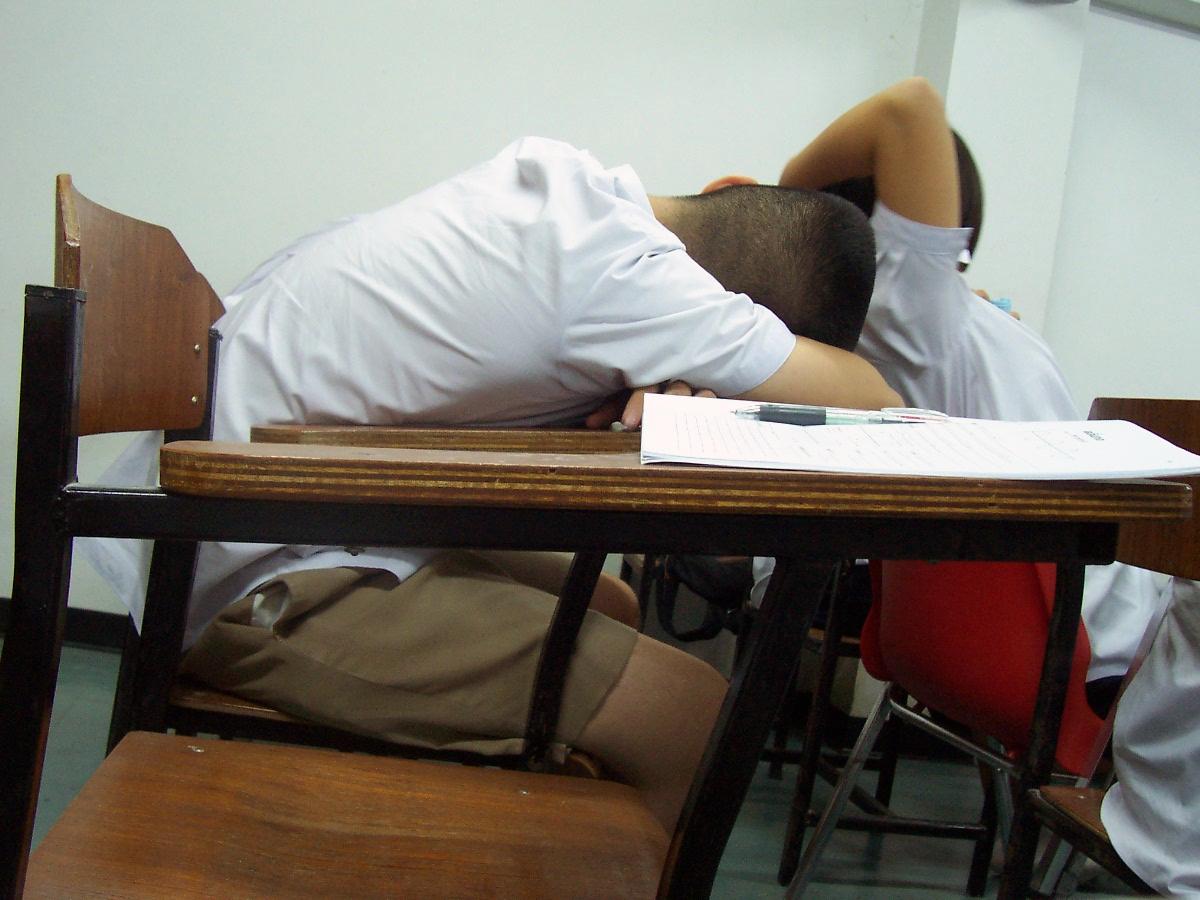
Typical signs and how it feels
Common manifestations of fatigue include yawning, drowsiness, the urge to nap, slowed movements, and a subjective sense of weakness or heaviness. People often report trouble keeping their eyes open or focusing, and routine tasks may take longer or feel more effortful. Professionals distinguish sleepiness (a propensity to fall asleep) from fatigue (reduced capacity to perform), though both can overlap.
Common causes and contributing factors
Fatigue arises from a wide range of sources. Frequent contributors include:
- Physical exertion or deconditioning—prolonged or intense exercise and lack of fitness.
- Sleep loss and sleep disorders—insufficient sleep, fragmented sleep, or conditions like sleep apnea.
- Boredom or low stimulation—monotonous environments that reduce alertness.
- Eye strain and visual fatigue—difficulty keeping eyes open or focusing for long periods.
- Acute or chronic illness—infections, inflammatory diseases and medical conditions that sap energy.
- Circadian disruption such as jet lag—mismatch between internal clock and environment.
- Illicit drugs and alcohol use—substances that depress the nervous system or disturb sleep.
- Medications—some prescription drugs list fatigue as a side effect.
- Malnutrition or deficiency states—inadequate calories or micronutrients like iron and vitamins.
- Psychological stress and mood disorders—stress, anxiety, and depression commonly cause persistent tiredness.
- Blood loss or anemia—reduced oxygen-carrying capacity leads to early fatigue on exertion.
Types and distinguishing features
Clinicians sometimes separate fatigue into peripheral (muscle-level) and central (brain-level) types. Peripheral fatigue appears as local muscle weakness after exertion; central fatigue affects motivation, concentration and perceived effort. Another important distinction is acute versus chronic fatigue: acute episodes follow exertion or transient illness, while chronic fatigue is long-standing and may require medical evaluation.
Assessment, prevention and management
Evaluation begins with a clinical history and review of sleep, activity, diet, medications and mood. Where indicated, basic tests look for anemia, thyroid dysfunction or other medical causes. Management emphasizes treating underlying conditions and lifestyle measures: consistent sleep schedules, regular moderate exercise, balanced nutrition, stress reduction, limiting alcohol and sedatives, and pacing activities. Short-term strategies include naps, hydration and brief activity breaks; long-term care may involve physical conditioning, cognitive approaches, or specialist referral for persistent cases such as chronic fatigue syndromes.
Notable facts and when to seek help
Fatigue is one of the most common symptoms people report, but it is non-specific. Seek medical attention when fatigue is severe, progressive, unexplained by recent activity or sleep, or accompanied by other worrying signs such as unexplained weight loss, high fever, breathlessness, fainting, chest pain, or marked cognitive decline. Identifying and addressing reversible causes usually improves outcomes.
Related articles
Author
AlegsaOnline.com Fatigue: causes, types, symptoms and management Leandro Alegsa
URL: https://en.alegsaonline.com/art/33645