
Falconiformes: diurnal birds of prey
Falconiformes are diurnal raptors such as falcons, kestrels and caracaras. Overview of their traits, taxonomy, behavior, role in ecosystems, cultural uses like falconry, and conservation issues.
Falconiformes is a term used for diurnal birds of prey — raptors that hunt primarily by sight during daylight. The group commonly includes true falcons, kestrels and caracaras, species recognizable by their swift flight, hooked bills and powerful talons. Many young are altricial (hatched relatively undeveloped) and remain in the nest for a period while both parents provide food and protection. For a concise reference, see Falconiformes.
Image gallery
3 Images

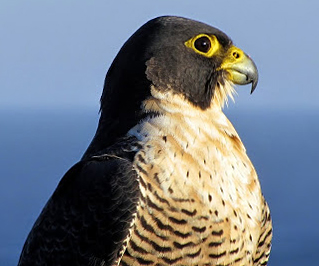
Characteristics
- Body and beak: Strong, hooked bill adapted for tearing flesh.
- Feet: Sharp, curved talons for seizing prey.
- Senses: Exceptional daytime vision, fast flight and agile maneuvering.
- Reproduction: Most build nests or use cliffs; chicks are cared for by one or both parents.
These birds occupy a range of habitats from open grasslands to urban environments. Their hunting techniques vary: some species stoop at high speed to strike (notably the peregrine falcon), while others pursue prey in low, rapid chases or search for carrion and insects.
Taxonomy and history
Historically, "Falconiformes" was used broadly for all diurnal raptors. Advances in molecular biology have led to revised classifications: some systems restrict Falconiformes to the family Falconidae (true falcons and caracaras), while place other hawks and eagles in Accipitriformes. Taxonomic boundaries continue to be refined as new genetic data appear.
Falconiformes are important predators in ecosystems and have long cultural ties to humans through falconry, scientific study, and conservation programs. Notable conservation successes include population recoveries after the banning of certain pesticides, though habitat loss and human disturbance still threaten several species.
Recognizing the differences among raptor groups, their ecological roles, and ongoing taxonomic changes helps clarify conservation priorities and educates the public about these efficient daytime hunters.
Related articles
Author
AlegsaOnline.com Falconiformes: diurnal birds of prey Leandro Alegsa
URL: https://en.alegsaonline.com/art/33333