
Exhumation: removal and reopening of human remains
Exhumation is the deliberate removal of buried human remains. This article covers purposes, legal and forensic procedures, archaeological practice, ethical and public‑health considerations, and common protocols.
Overview
Exhumation is the deliberate act of uncovering or removing human remains from a burial place. It can refer to reopening a grave, disinterring a coffin or skeletal remains, or conducting a scientific excavation of burials. The practice spans family requests to relocate a loved one, criminal and civil investigations, archaeological study, repatriation of remains, and recovery from disasters or conflicts.
Image gallery
10 Images


Legal and procedural aspects
Most jurisdictions regulate exhumation. Authorities typically require written permission from a next of kin, a court order, or a permit issued by public health or cemetery officials. Permits may set conditions on timing, methods, transport and reburial. Officials check plot ownership, identity, and legal authority before work begins. Because laws differ, practitioners consult local regulations and follow established professional guidance.
Typical process and documentation
Exhumation commonly follows a planned protocol. Preparations include site assessment, protective measures, and notification of stakeholders. Work is documented through notes, sketches and extensive photography to preserve context. When conducted for forensic purposes, strict chain-of-custody procedures are used to record evidence handling. Recovered remains and associated items are labelled, bagged and transported to laboratories for analysis or conservation, and reinterment is arranged according to legal and family directives.
Forensic and archaeological exhumations
Forensic exhumations support identification, toxicology, DNA testing or cause-of-death analysis. Controlled excavation techniques aim to preserve trace material such as clothing, fibers and fragile bone. Archaeological exhumations emphasize stratigraphy and context: careful recording of burial position, grave goods and soil layers informs interpretation of age, cultural practice and chronology. Both disciplines apply conservation methods to stabilise fragile material.
Common reasons and uses
- Family relocation or consolidation of burials, such as moving remains into a family plot.
- Criminal investigations and cold-case reviews requiring new testing or re-examination.
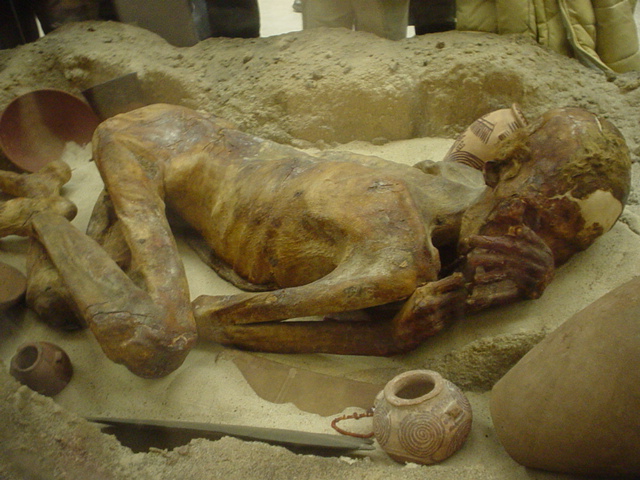
- Archaeological study of historic and prehistoric burials to understand past societies.
- Repatriation to indigenous communities or countries of origin.
- Mass-disaster, conflict or human-rights investigations that require recovery and identification.
Cultural, ethical and public‑health considerations
Exhumation touches on religious beliefs, mourning practices and community values; many cultures prefer limited disturbance of graves. Ethical practice includes informed consent from families or representatives, consultation with affected communities, and respect for the dignity of the deceased. Public health authorities may impose precautions when remains are associated with hazardous agents; in most modern burials contagion risk is low, but rare resilient agents may require specialised handling.
Standards and best practices
Professional organisations and forensic, archaeological and conservation specialists have developed best-practice guidelines that emphasise minimal disturbance, accurate recording, contamination control and transparent communication. Photographic records, written reports and secure evidence chains protect legal integrity and enable future study. When remains are reburied, ceremonies and legal requirements are observed to honour cultural and familial wishes.
Historical and contemporary significance
Exhumations have played roles in settling legal disputes, resolving genealogical questions, advancing scientific knowledge and establishing accountability after atrocities. Technological advances in DNA and other laboratory methods have made older remains more informative, while raising questions about consent and ownership. Because of these sensitivities, exhumation is typically a multidisciplinary process involving legal authorities, scientists, health officials and community representatives.
Conclusion
Exhumation is a technically and ethically complex activity that serves diverse purposes. When performed under legal authorisation and professional standards, it can assist families, support justice, deepen historical understanding and enable respectful repatriation. Careful planning, documentation and community engagement are essential to safeguard dignity and the scientific or evidentiary value of recovered remains.
Related articles
Author
AlegsaOnline.com Exhumation: removal and reopening of human remains Leandro Alegsa
URL: https://en.alegsaonline.com/art/32926
Sources
- citizensinformation.ie : Exhumation of the remains of a deceased person