
Exercise Physiology: Principles, Responses, and Applications
Field that examines how acute exercise affects body systems and how regular physical activity produces long-term adaptations, with applications in health, rehabilitation, performance, and education.
Overview
Exercise physiology is the scientific discipline that examines how living organisms respond to physical activity and how repeated activity leads to lasting change. It covers immediate, short-term reactions to effort as well as chronic adaptations that develop with training or inactivity. Researchers and clinicians study exercise across a wide range of environments, intensities, and populations to understand performance, health promotion, and disease prevention. For information about typical research conditions, see exercise settings and protocols.
Image gallery
5 Images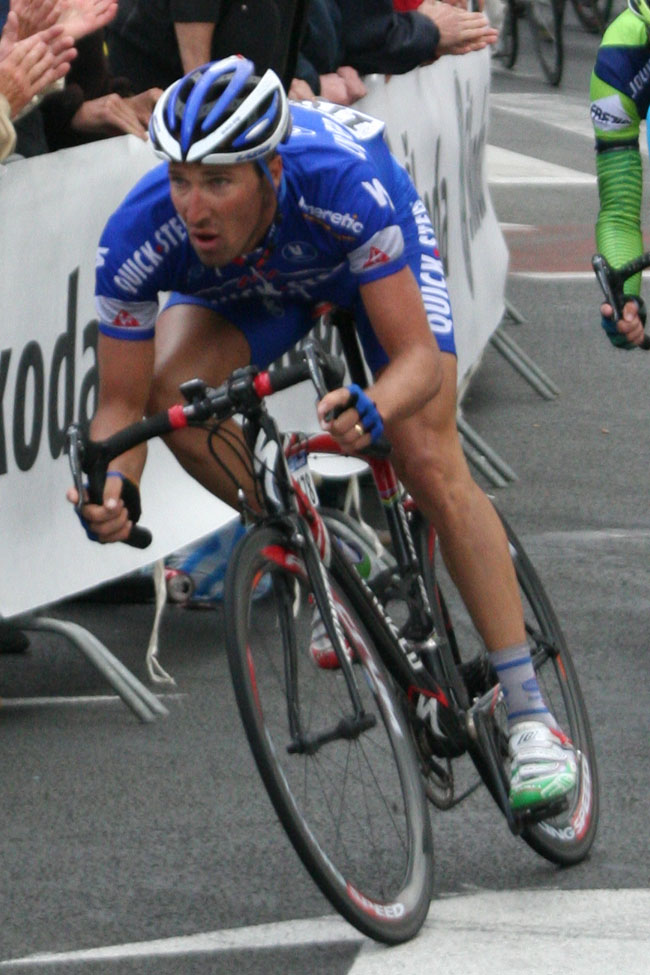




Key physiological responses and adaptations
Acute responses to exercise occur within seconds to hours and involve multiple body systems. Common short-term changes include increased heart rate and cardiac output, faster breathing and altered gas exchange, shifts in metabolism and substrate use, and greater neuromuscular activation. With regular training, the body undergoes chronic adaptations such as improved cardiovascular efficiency, enhanced skeletal muscle oxidative capacity, altered muscle fiber characteristics, increased capillary and mitochondrial density, and better thermoregulatory function.
Methods and measurement
Exercise physiologists use laboratory and field methods to assess function and adaptation. Tests may include metabolic measurements, heart rate and blood pressure monitoring, pulmonary function, strength and endurance assessments, and movement analysis. Controlled trials, longitudinal studies, and acute intervention experiments are common approaches. Data from these methods inform individualized exercise prescriptions and public health guidelines.
Clinical applications and importance
Beyond athletic performance, exercise physiology informs rehabilitation, chronic disease management, and preventive medicine. Research explores how structured activity influences conditions such as cardiovascular disease, metabolic disorders, and musculoskeletal injuries, and seeks mechanisms by which exercise can slow or reverse disease processes. Clinical programs often integrate exercise testing and tailored interventions to improve function and quality of life; for clinical perspectives see exercise and pathology.
Education, certification, and professional practice
Training in exercise physiology ranges from undergraduate coursework to advanced clinical or research degrees. Many countries have professional bodies that evaluate programs and provide certification standards to ensure consistent education and safe practice. These organizations set curricula, competency expectations, and continuing education requirements; consult professional accreditation resources for local guidelines.
Notable distinctions and evolving topics
Exercise physiology overlaps with sports science, kinesiology, and rehabilitation but emphasizes physiological mechanisms and adaptation. Current areas of interest include individualized exercise prescriptions, interactions between genetics and training response, and the role of activity in public health. As measurement tools and molecular techniques advance, the field continues to refine how exercise is used to promote performance, recovery, and long-term health.
- Main areas: acute responses, chronic adaptations, clinical application.
- Typical settings: laboratories, clinics, sports facilities, community programs.
- Career paths: researcher, clinician, rehabilitation specialist, performance consultant.
Related articles
Author
AlegsaOnline.com Exercise Physiology: Principles, Responses, and Applications Leandro Alegsa
URL: https://en.alegsaonline.com/art/32913