
Évin-Malmaison
Évin-Malmaison is a commune in the Pas-de-Calais department of northern France, with roots in the region's coal-mining history and a local community shaped by industrial change.
Overview
Évin-Malmaison is a small French commune located in the Pas-de-Calais area of northern France. It lies within the territory historically associated with the Nord‑Pas‑de‑Calais coal basin and is part of the administrative structures that organize local life and services. The town combines residential neighbourhoods, civic institutions and remnants of the industrial landscape that influenced its growth.
Image gallery
2 Images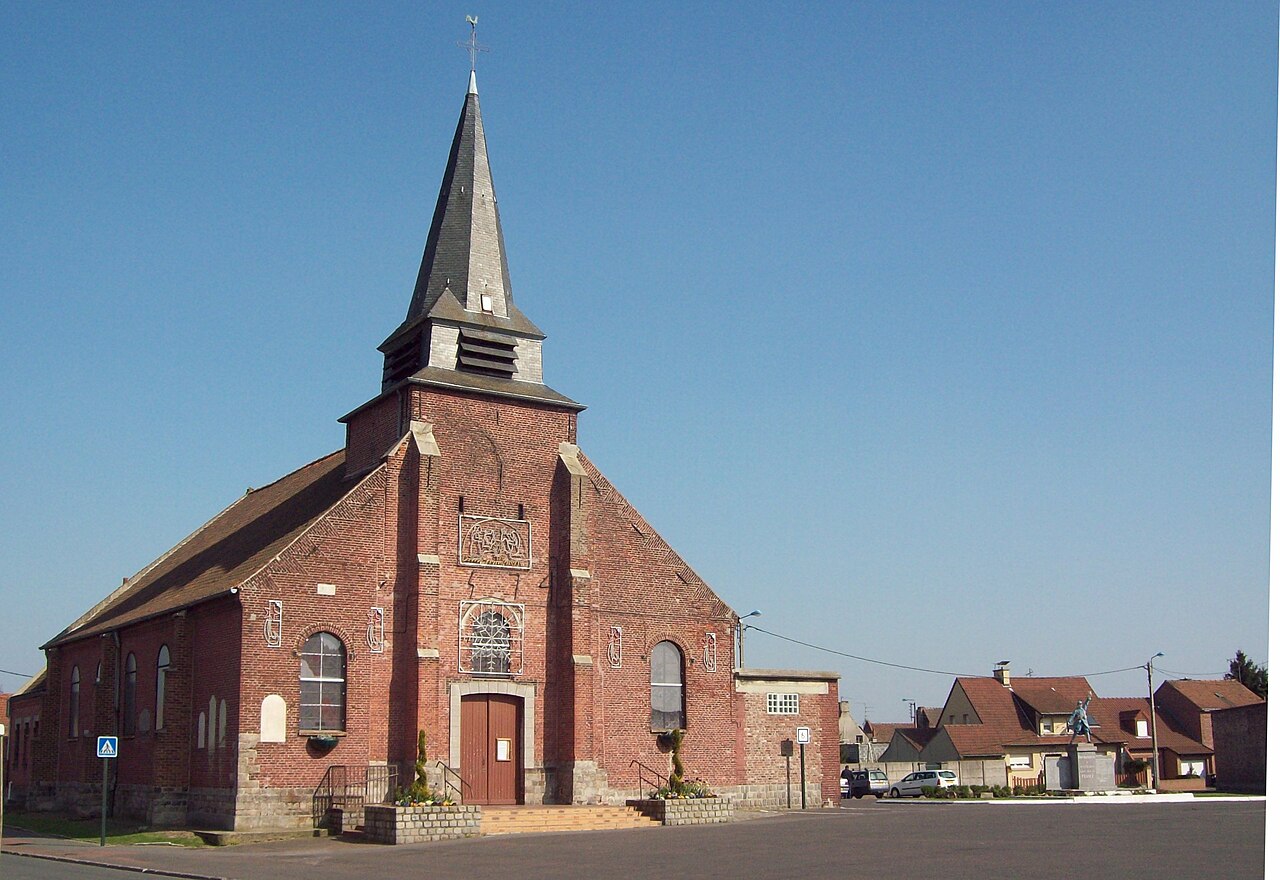

Geography and administration
The commune sits in the department of Pas‑de‑Calais, which is one of the departments that make up the broader regional context. Administratively it belongs to the modern regional framework and to departments and intercommunal bodies that manage transport, education and public works. For regional context see regional resources and the historical designation Nord‑Pas‑de‑Calais. It is geographically in the north of the country, part of the general area known as northern France.
History
The history of Évin-Malmaison is tied to the industrial era that transformed much of this region. Like many nearby communes, it developed around coal extraction and related industries in the 19th and 20th centuries, which shaped its housing, transport links and social life. Over time, the decline of mining led to economic restructuring and efforts to preserve industrial heritage while diversifying local employment.
Economy, culture and landmarks
Today the local economy blends small businesses, public services and light industry. Cultural life often reflects working‑class traditions and community organisations. Notable local features typically include municipal buildings, parish churches, workers' housing and any preserved mining sites or memorials. Visitors and residents may consult municipal or departmental guides for specifics: departmental information.
Notable facts and distinctions
- Évin-Malmaison functions as a municipal unit with elected local officials and municipal services.
- The commune is part of a larger historical region known for industrial heritage; many towns in the area participate in preservation and redevelopment projects.
- Local initiatives often aim to balance heritage conservation with new economic opportunities.
For further details about administration, services and events, consult official pages and regional references or local visitor information centres: commune portal and regional resources listed above.
Related articles
Author
AlegsaOnline.com Évin-Malmaison Leandro Alegsa
URL: https://en.alegsaonline.com/art/32823