
Évry-Courcouronnes
Évry-Courcouronnes is a commune in Essonne, Île-de-France, created in 2019 by merging Évry and Courcouronnes. It hosts the Genopole biotech cluster and combines planned urban areas with riverside and parkland.
Évry-Courcouronnes is a French commune established on 1 January 2019 by the merger of the former communes of Évry and Courcouronnes. It lies in the Essonne area and the wider department context within France. The municipal authority created by the fusion aimed to coordinate local services, urban development and economic planning across the contiguous territory; official information is available via the commune page.
Image gallery
9 Images




Overview
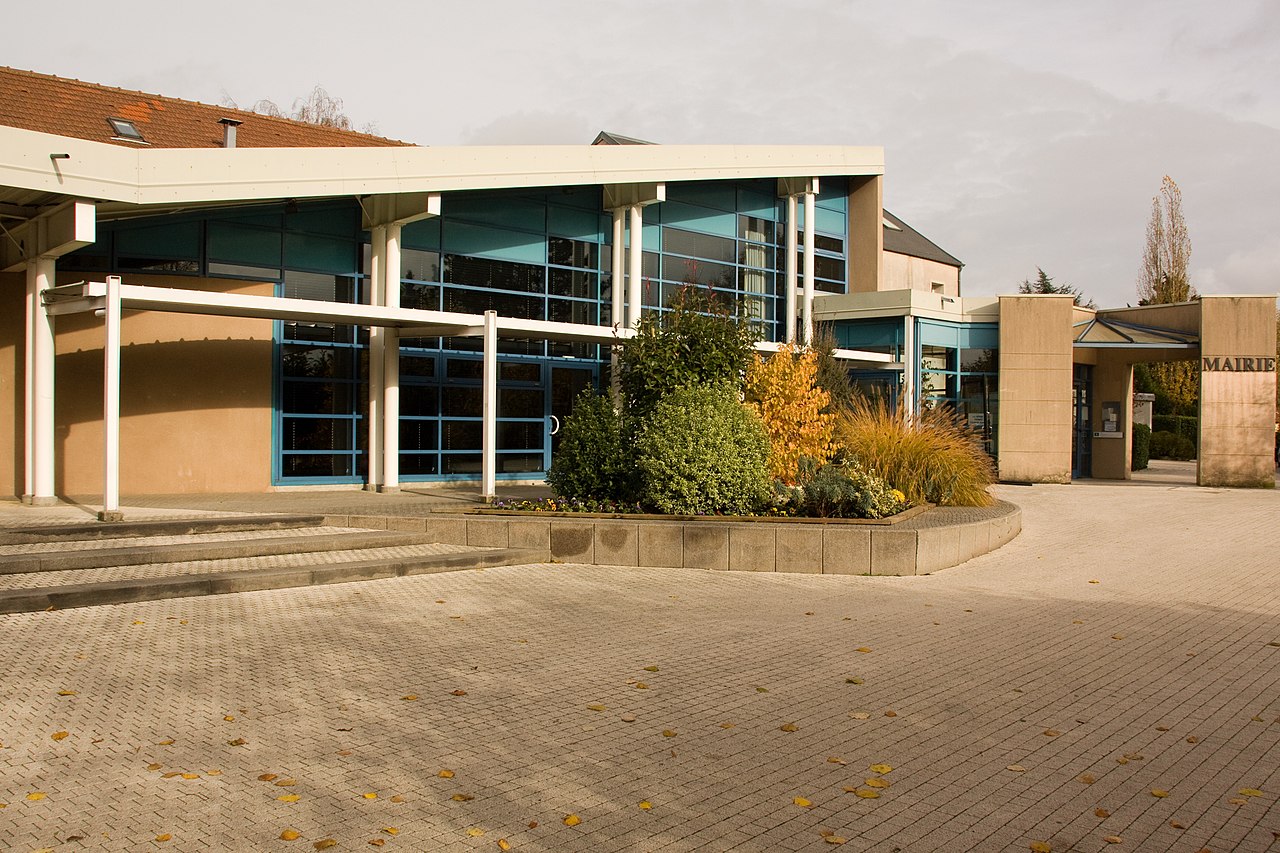
The territory combines late 20th-century planned housing estates, business zones and preserved village cores. Urban design in parts of the commune reflects postwar metropolitan planning while other quarters retain more traditional streets. Green spaces and riverside areas offer recreation and help connect residential neighbourhoods with scientific and commercial zones.
History and development
Évry developed as part of suburban growth and planning around Paris; Courcouronnes was historically a smaller settlement which underwent modernization in the late 20th century. The administrative merger in 2019 formalised cooperation already present in transport, schooling and economic development and is presented as a way to streamline governance and encourage investment.
Economy and institutions
Évry-Courcouronnes is notable for the Genopole biotechnology cluster, a specialised centre for genomics research, startups and life-science firms that links laboratory research with entrepreneurship. The local economy also includes service industries, higher-education partnerships and technology parks that attract regional employers.
Transport, governance and public life
The commune is served by regional rail and road connections typical of the Paris metropolitan area, facilitating commuting and business travel. Municipal government provides education, cultural programmes and parks management; civic life mixes neighbourhood activities with events connected to the scientific and academic community. Visitors and residents can find information about services, planning and events on official municipal channels such as the commune page and regional portals.
Landmarks and culture
- Contemporary and modernist architecture illustrating planned urban design.
- The Genopole campus and associated research facilities.
- Parks, riverside promenades and public spaces used for leisure and festivals.
Related articles
Author
AlegsaOnline.com Évry-Courcouronnes Leandro Alegsa
URL: https://en.alegsaonline.com/art/32852
Sources
- essonne.gouv.fr : "recueil des actes administratifs de l'Essonne"
- commons.wikimedia.org : Évry-Courcouronnes