
Excelsior Springs, Missouri
A small Midwestern city known for its historic mineral springs, spa heritage and the Art Deco Hall of Waters; located in Clay and Ray counties northeast of Kansas City.
Excelsior Springs is a city in the U.S. state of Missouri that developed around natural mineral springs and a resort industry. It spans parts of Clay County and Ray County. The community had a population of 11,084 at the 2010 census and is situated roughly 30 miles northeast of central Kansas City.
Image gallery
7 Images

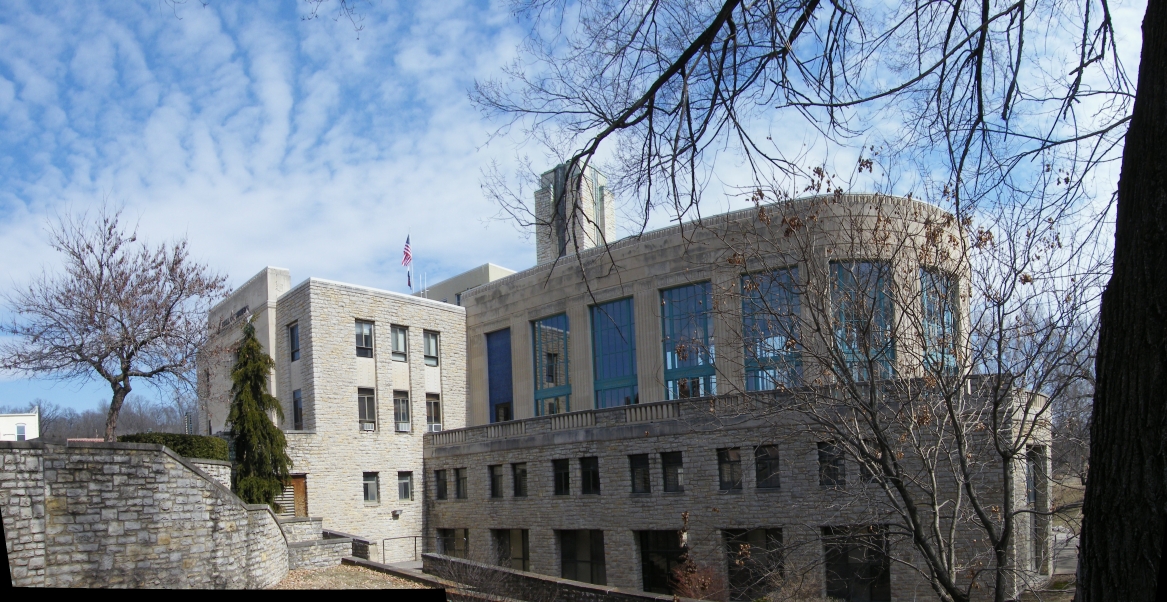


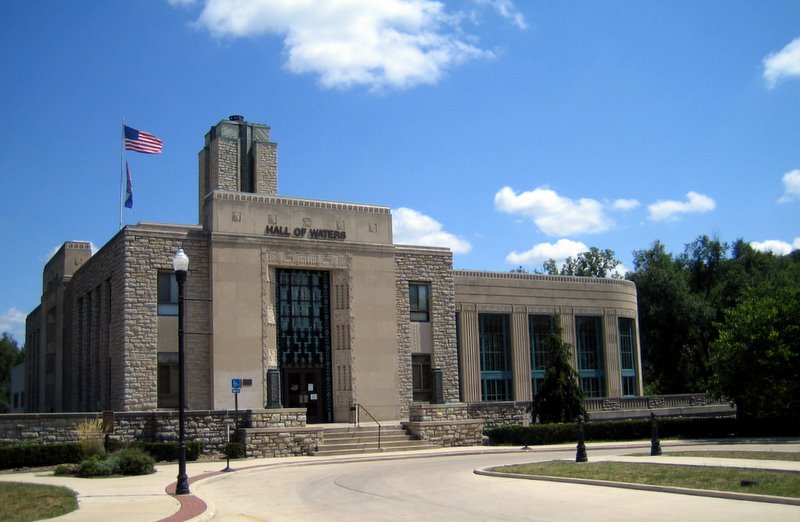
Overview and character
Historically known as a spa town, Excelsior Springs attracted visitors for drinking and bathing in mineral-rich waters. Its downtown retains small‑city commerce, historic buildings, and streetscapes that reflect turn‑of‑the‑century resort development. Today the city blends residential neighborhoods with tourism, local shops, and community services.
History and development
Settlement and growth centered on the discovery and marketing of mineral springs in the late 19th and early 20th centuries. Hotels, bathhouses and bottling operations supported a regional health‑travel economy. Over time, changing leisure patterns reduced spa tourism, but many historic structures and traditions from that era remain part of the city’s identity.
Notable features
- Hall of Waters: A prominent Art Deco era municipal bath and wellness complex that symbolizes the city’s spa heritage.
- Historic downtown district with shops, restaurants and preserved commercial architecture.
- Parks, community events and cultural programs that serve residents and visitors.
Excelsior Springs is notable for being one of the American communities built around mineral springs and their associated health tourism. Its proximity to the Kansas City metropolitan area makes it accessible for day trips while retaining a small‑town atmosphere. Local efforts have emphasized preservation and adaptive reuse of historic properties to support heritage tourism and community revitalization.
For municipal, county or travel information consult local government and tourism resources or archival collections that document the city’s spa era and twentieth‑century architecture. General regional context is available through county and state links: state resources and local pages for Clay and Ray counties provide administrative and historical background.
Related articles
Author
AlegsaOnline.com Excelsior Springs, Missouri Leandro Alegsa
URL: https://en.alegsaonline.com/art/32881