
Evacuation Day (New York, 1783)
Evacuation Day marks November 25, 1783, when British forces withdrew from Manhattan and General George Washington led Continental troops back into New York City, ending British occupation of the city.
Overview
Evacuation Day in New York refers to November 25, 1783, the day on which the last British military presence departed Manhattan and American civil and military authority was restored. That morning, troops of the Continental Army entered the city in a ceremonial procession led by George Washington, an event viewed at the time as a symbolic closing of the Revolutionary War era in the former colonial capital.
Image gallery
10 Images



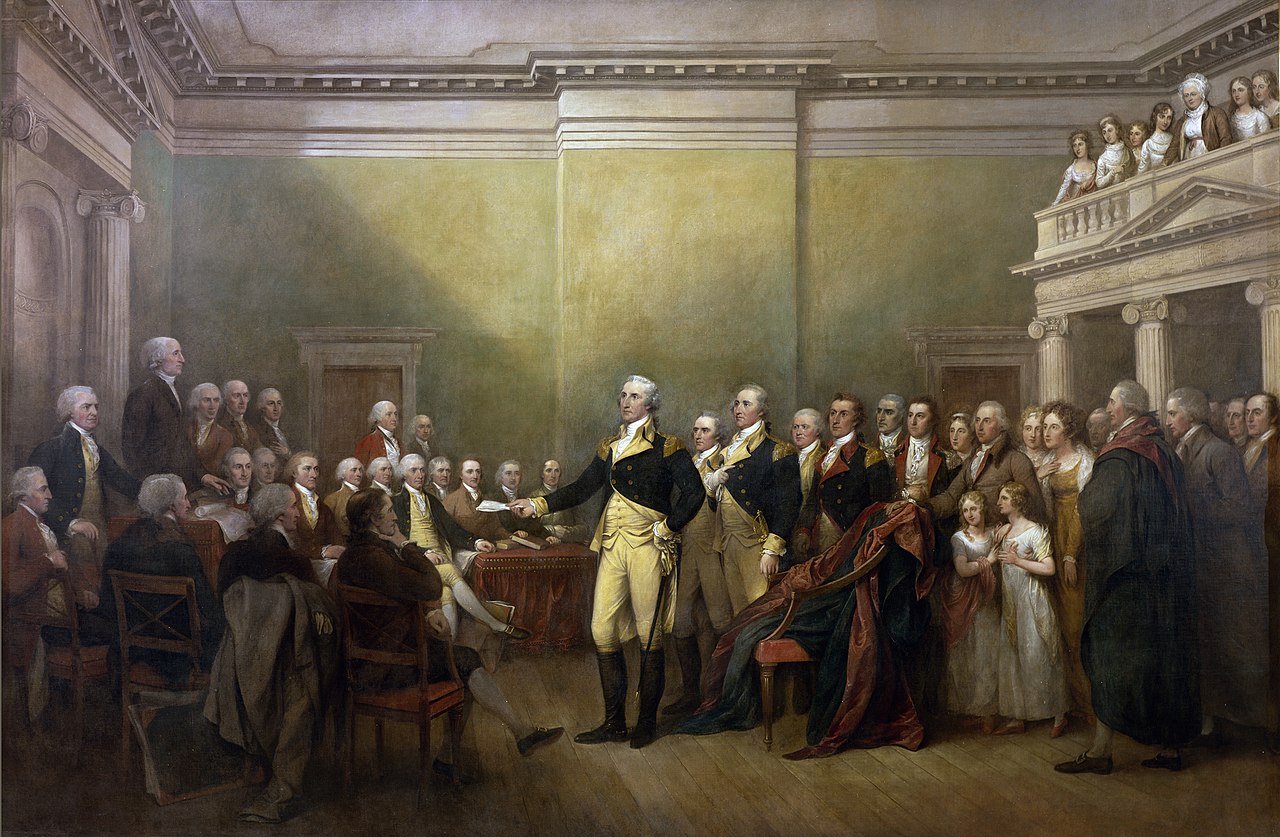


Background and context
New York City had been occupied by British forces since 1776 and remained their principal foothold in the newly independent states. The drawdown followed diplomatic steps that culminated in the Treaty of Paris and final arrangements that ended active British governance in the United States. British authorities in North America, including commanders and administrators, relinquished control as their troops evacuated the city and nearby installations. See the roles of the British authorities, their troops in New York City, and the strategic position of Manhattan in this transition.
Events of the day
The withdrawal was orderly and public. Residents watched as British standards were lowered and American flags were raised; Washington and his officers marched through the streets amid cheering crowds. The procession and formal entry into the city signaled both a military and civic transfer of power. Contemporary accounts emphasized the emotional tone—relief, celebration, and solemn acknowledgment of sacrifices made during the war.
Significance and aftermath
Evacuation Day ended roughly seven years of British occupation in the most populous American city and represented a tangible restoration of American sovereignty on the mainland. It was followed by important postwar events in which military leaders and civil authorities reorganized governance, settled debts of war, and addressed demobilization. The scene of Washington returning to the city remains an enduring image in American historical memory.
Memory and distinctions
The day was commemorated annually in New York for many years and appears in histories of the Revolution as a decisive ceremonial moment. It should not be confused with other holidays or events that use the same name in different places or eras. For summaries and primary-source material see general treatments of Evacuation Day and broader studies of the Continental Army and its leadership under Washington.
Key facts
- Date: November 25, 1783.
- Location: Manhattan, New York City (Manhattan).
- Participants: departing British troops in New York City and returning Continental Army.
- Context: withdrawal of British authorities following peace negotiations.
- Commemoration and historical treatment: see entries on Evacuation Day and biographies of George Washington.
Related articles
Author
AlegsaOnline.com Evacuation Day (New York, 1783) Leandro Alegsa
URL: https://en.alegsaonline.com/art/32706