
Zebra Swallowtail (Eurytides marcellus)
A North American swallowtail butterfly known for black-and-white zebra striping, long tail streamers, and reliance on pawpaw plants; common in eastern woodlands and the state butterfly of Tennessee.
Overview
The Zebra Swallowtail, scientific name Eurytides marcellus, is a distinctive North American butterfly in the swallowtail family. It is most easily recognized by its bold black-and-white striped pattern and the elongated tail-like extensions on the hindwings. The species is typically associated with deciduous woodlands and riparian zones where its larval host plants grow. For a general introduction to butterflies, see butterfly overview, and for family-level information consult Papilionidae resources.
Image gallery
9 Images



Identification and characteristics
Adults display alternating black and white bands across both forewings and hindwings, giving a zebra-like appearance that inspired the common name (zebra pattern). The hindwings often bear long, filamentous tails and may show small red or orange spots near the body. Seasonal variation occurs: some broods have subtler markings or different tail lengths depending on time of year.
- Wings: striking black-and-white transverse stripes.
- Tails: long trailing extensions on the hindwings.
- Color accents: occasional red/orange spots near the abdomen.
Life cycle and host plants
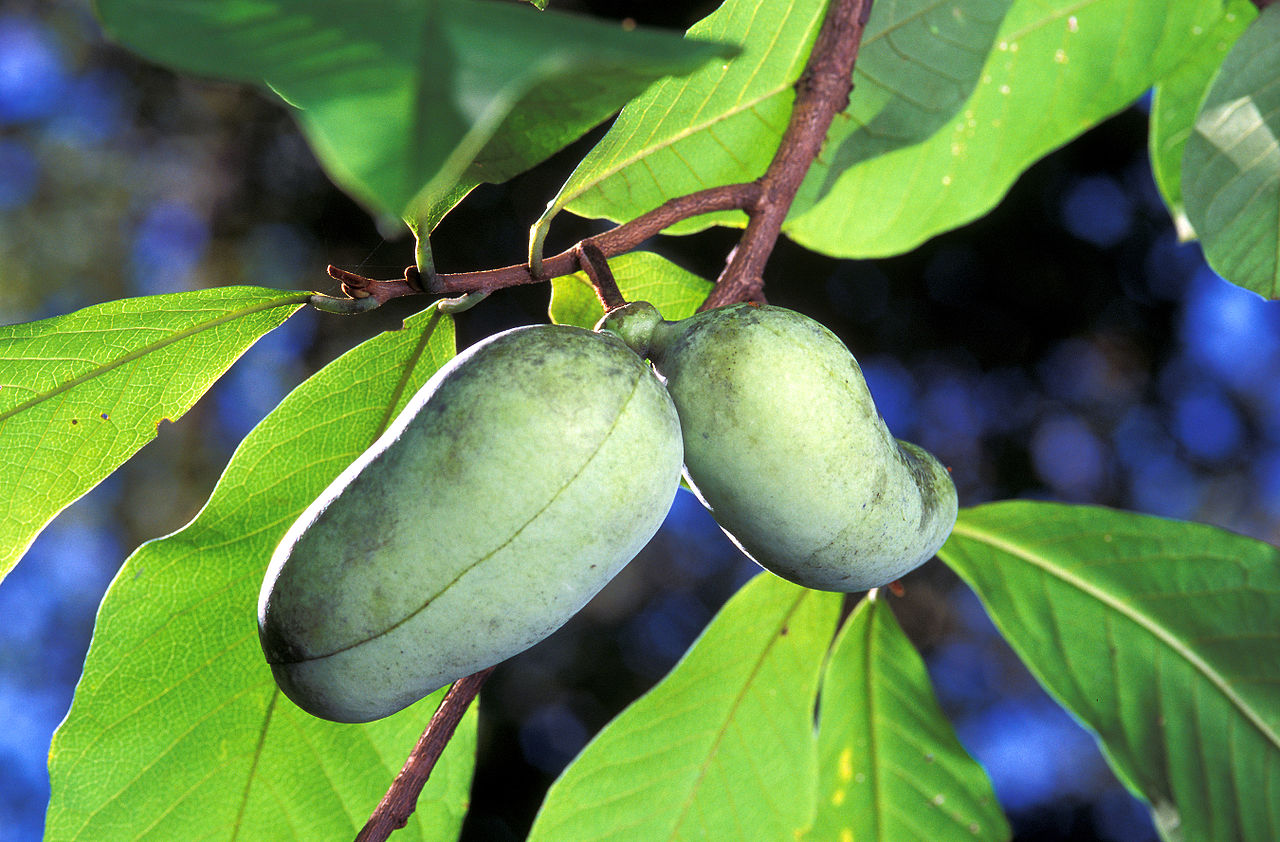
Eggs are laid singly on the leaves of pawpaw trees and shrubs, the primary larval food plants. Caterpillars consume pawpaw foliage and pass through several growth stages before pupating. In warmer regions there may be multiple broods per year, while cooler areas typically host fewer generations. The close association with pawpaw makes the butterfly's local presence dependent on availability of these host plants.
Distribution, habitat and behavior
The species is found mainly in the eastern and central parts of North America where suitable host plants occur. Preferred habitats include floodplain forests, edge habitats, and areas with sunlit openings. Adults feed at flowers for nectar and may be seen fluttering near pawpaw stands or along woodland paths. Taxonomically, the species has been placed by various authors in different genera; some treatments refer to related genera such as Iphiclides, Graphium, or traditional Papilio groupings, reflecting evolving views on swallowtail relationships.
Importance, conservation and cultural notes
The Zebra Swallowtail is not generally regarded as endangered, but local populations can be sensitive to the loss of pawpaw habitat and changes in woodland management. Because of its striking appearance and regional familiarity, it has cultural recognition: it is the official state butterfly of Tennessee, a symbol that highlights local natural heritage (Tennessee state emblem).
Observing this species helps illustrate ecological connections between butterflies and their host plants, and it is commonly included in field guides and butterfly surveys across its range. For additional reading on identification and range maps, see broader butterfly guides and regional resources linked above.
Questions and answers
Q: What is the common name for Eurytides marcellus?
A: The common name for Eurytides marcellus is the Zebra Swallowtail.
Q: Where is the Zebra Swallowtail found?
A: The Zebra Swallowtail is found in North America.
Q: Which family does the Zebra Swallowtail belong to?
A: The Zebra Swallowtail belongs to the family Papilionidae.
Q: Is the Zebra Swallowtail the official state butterfly of Tennessee?
A: Yes, the Zebra Swallowtail is the official state butterfly of Tennessee.
Q: What is the pattern on the Zebra Swallowtail's wings?
A: The Zebra Swallowtail has an obvious black and white-striped pattern on its wings, similar to that of a zebra.
Q: In which genera have some authors placed Eurytides marcellus?
A: Some authors have placed Eurytides marcellus under the genera Iphiclides, Graphium, and Papilio.
Q: Is the Zebra Swallowtail found anywhere other than North America?
A: The text does not mention if the Zebra Swallowtail is found anywhere other than North America.
Related articles
Author
AlegsaOnline.com Zebra Swallowtail (Eurytides marcellus) Leandro Alegsa
URL: https://en.alegsaonline.com/art/32669