
Eye neoplasm (ocular oncology): causes, types, diagnosis, and treatment
Concise guide to eye neoplasms: definition, primary vs metastatic tumors, common origins, clinical features, diagnostic methods, treatments, and prognosis with emphasis on multidisciplinary care.
Overview
An eye neoplasm is an abnormal growth of cells in any structure of the eye or its surrounding tissues. The medical specialty that evaluates and manages these conditions is ocular oncology. Neoplasms of the eye range from benign lesions to aggressive malignancies that can threaten vision and, in some cases, life.
Image gallery
1 Image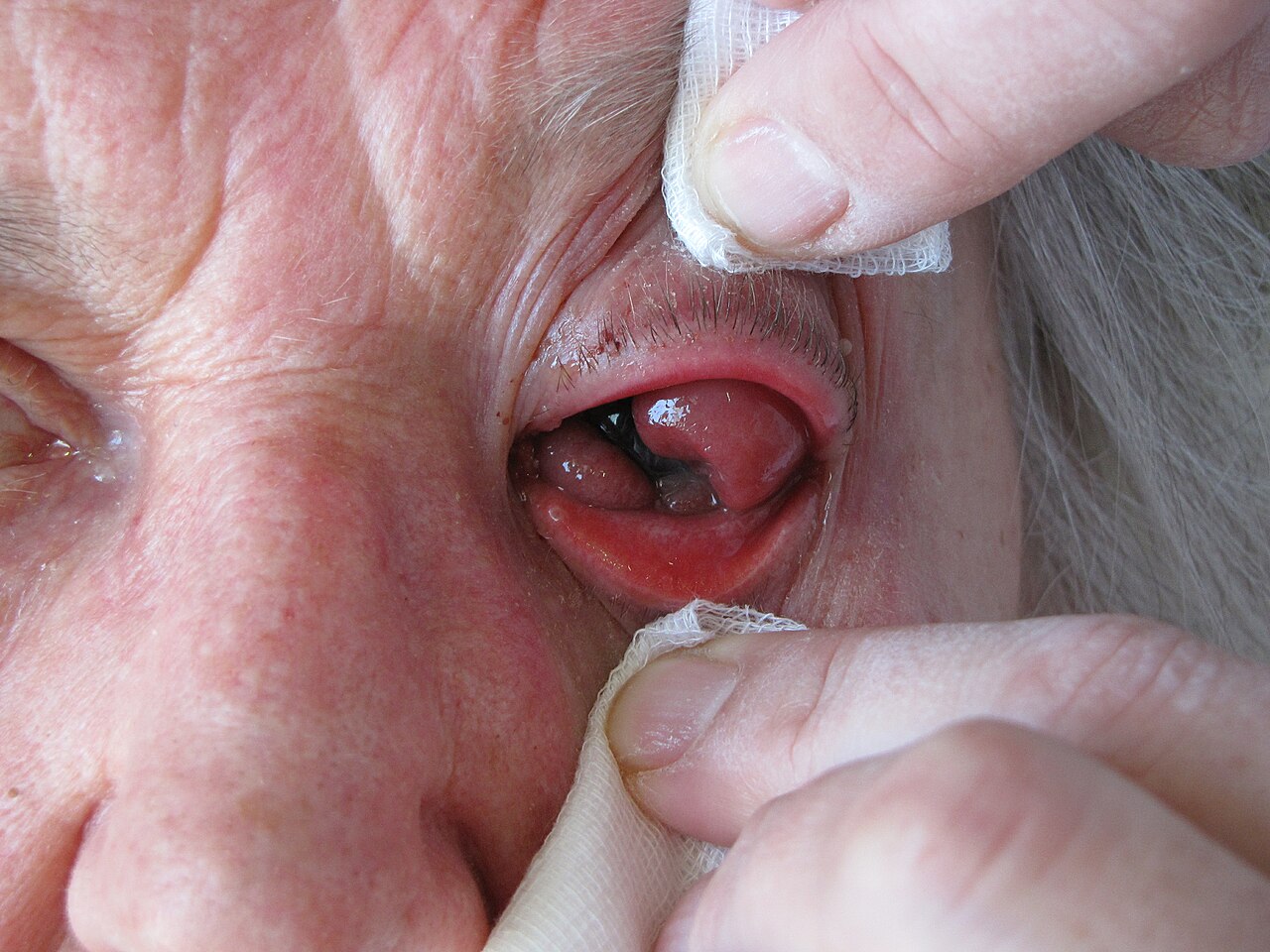
Types and origins
Eye tumors can be classified as primary (originating within the eye or adnexa) or secondary (spread from another body site). Secondary disease is commonly described as metastatic cancer. The most frequent cancers that spread to the eye arise from the breast (breast) and the lung (lung), but metastases may also come from the prostate (prostate), kidney (kidney), thyroid (thyroid), skin (cutaneous melanoma, skin) and from gastrointestinal or hematologic malignancies such as colon cancers or leukemias (blood or bone marrow).
Common primary intraocular tumors include uveal melanoma (in adults) and retinoblastoma (in children). Surface and periocular tumors include conjunctival squamous cell carcinoma, sebaceous carcinoma of the eyelid and others; behavior and treatment vary with type and stage.
Clinical features and diagnosis
Symptoms depend on tumor location and size and may include vision loss, flashes, floaters, a visible mass on the eyelid, or redness and pain. Diagnosis combines clinical examination with imaging and laboratory methods. Typical tools include:
- Slit-lamp and dilated fundus examination
- Ocular ultrasound and optical coherence tomography (OCT)
- Fluorescein angiography and cross-sectional imaging (MRI or CT)
- Biopsy or cytology when tissue diagnosis is required
Treatment and prognosis
Management is tailored to tumor type, size, location, patient age and overall health. Options include local excision, plaque brachytherapy or external beam radiotherapy, systemic chemotherapy or targeted therapy, cryotherapy, and in severe cases enucleation (removal of the eye). For some pediatric tumors such as retinoblastoma, early detection and modern multidisciplinary care can result in high cure rates while preserving life and often vision.
Importance, distinctions and follow-up
Distinguishing primary ocular tumors from metastatic lesions is crucial because treatment and prognosis differ. Eye neoplasms often require coordination between ophthalmologists, oncologists, radiologists and pathologists. Long-term follow-up is important for detecting recurrence, managing treatment side effects and monitoring for systemic disease when metastasis is possible.
Patients with unexplained ocular masses or rapid changes in vision should be referred promptly to specialists in ocular oncology or ocular tumor services for evaluation and appropriate imaging. Multidisciplinary care improves diagnostic accuracy and outcomes.
Questions and answers
Q: What is ocular oncology?
A: Ocular oncology is the branch of medicine that deals with tumors relating to the eye and its adnexa.
Q: Which parts of the eye can be affected by eye cancer?
A: Eye cancer can affect all parts of the eye.
Q: Can eye cancer originate from other parts of the body?
A: Yes, eye cancer can originate from other parts of the body, which is known as metastatic cancer.
Q: Which cancers are the most common causes of metastatic eye cancer?
A: Breast cancer and lung cancer are the two most common cancers that can spread to the eye from another organ.
Q: What are some less common sites of origin for metastatic eye cancer?
A: Prostate, kidney, thyroid, skin, colon and blood or bone marrow are some less common sites of origin for metastatic eye cancer.
Q: Who is most commonly affected by eye cancer?
A: Eye cancer is most common in children.
Q: What is the cure rate for eye cancer?
A: The cure rate for eye cancer is 95%.
Related articles
Author
AlegsaOnline.com Eye neoplasm (ocular oncology): causes, types, diagnosis, and treatment Leandro Alegsa
URL: https://en.alegsaonline.com/art/33067
Sources
- pubmed.ncbi.nlm.nih.gov : 17927283