
Eric Hobsbawm: historian of the long 19th century and 20th‑century modernity
Overview of Eric Hobsbawm (1917–2012), his major books on the 'long 19th century' and 20th century, principal themes, career, influence and the debates around his Marxist politics.
Eric Hobsbawm (9 June 1917 – 1 October 2012) was a British historian widely known for applying a Marxist framework to the study of modern Europe. He wrote influential syntheses of broad historical periods and examined the social and economic forces behind industrialisation, nationalism and political radicalism. He combined scholarly research with public writing, and his work reached a large international readership. For a concise biographical overview see profile.
Image gallery
4 Images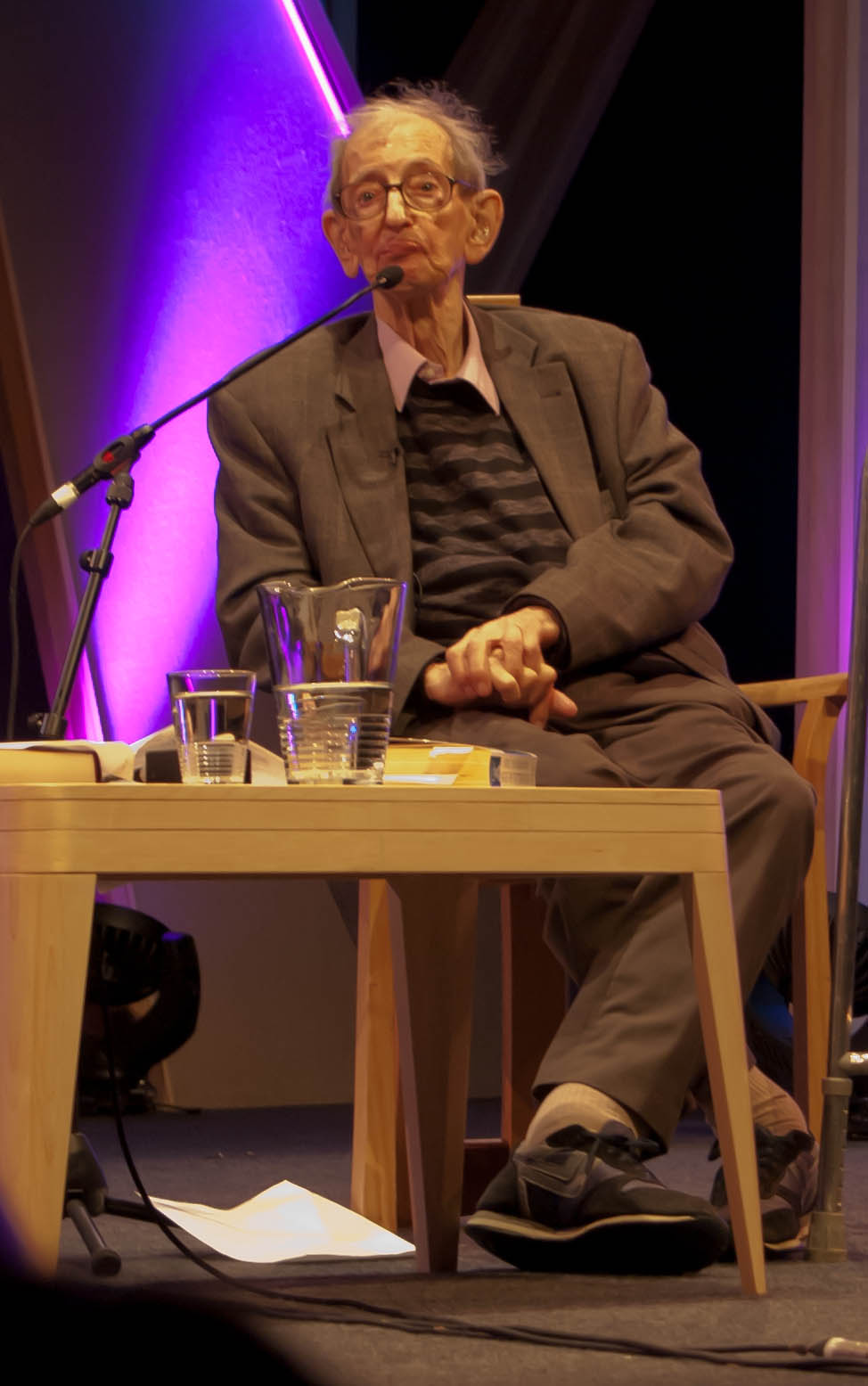


Major works and themes
Hobsbawm is best known for a sequence of books that treat the era he called the "long 19th century" followed by a study of the 20th century. Those works framed Europe and global developments through economic change, class relations and empire. Key themes in his scholarship include industrial capitalism, labour movements, nationalism, and the cultural dimensions of political change. Read more about his approach at Marxist historian overview.
- The Age of Revolution (covers late 18th to mid‑19th century)
- The Age of Capital (mid‑19th century)
- The Age of Empire (late 19th to early 20th century)
- The Age of Extremes (20th century)
Career and intellectual approach
Trained as a historian in Britain, Hobsbawm spent most of his academic life teaching, writing and editing. He blended social, economic and cultural history, favoring long‑range analysis over narrow political narratives. His method emphasized structures and social classes while also attending to cultural practices and popular movements. For a selection of his essays and lectures see essays and lectures.
Influence and uses
Hobsbawm's books became standard references in university courses on modern European and world history. They have been used by historians, political scientists and educators to explain industrialisation, imperial expansion and the transformation of labour. His accessible style helped bring scholarly debates to a broader public, and translations of his work appeared worldwide. For an introduction to his major narratives consult trilogy overview.
Reception and controversies
While admired for erudition and clarity, Hobsbawm's political commitments attracted criticism. He joined the Communist Party in the 1930s and his affiliation shaped both sympathies and scholarly perspective; this background provoked discussion about objectivity and political judgment. Nevertheless, his scholarship is often praised for its breadth and for encouraging historians to link economic processes with social and cultural change. See debates and critiques at further commentary and more resources at further reading.
Related articles
Author
AlegsaOnline.com Eric Hobsbawm: historian of the long 19th century and 20th‑century modernity Leandro Alegsa
URL: https://en.alegsaonline.com/art/31882