
Eric McLuhan — Canadian communications theorist and media ecologist
Eric McLuhan (1942–2018) was a Canadian media theorist, educator and writer who worked on media ecology, co-authored several books with his father Marshall McLuhan, and directed media studies programs.
Eric McLuhan (19 January 1942 – 18 May 2018) was a Canadian communications theorist, writer and educator who worked in the field often called media ecology. He was one of two sons of the well‑known media scholar Marshall McLuhan and spent much of his career elaborating, teaching and publishing on ideas about how media shape human perception, institutions and culture.
Image gallery
2 Images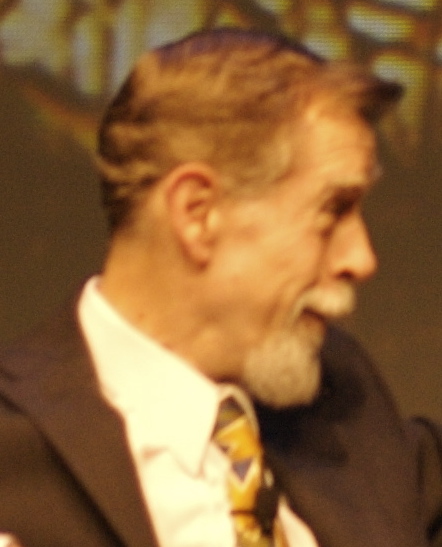
Work and intellectual interests
Eric McLuhan taught in the McLuhan Program in Culture and Technology at the University of Toronto and took part in international lecturing and workshops. He served for many years as Director of Media Studies at the Harris Institute for the Arts in Toronto, where he combined classroom teaching with practical study of media processes. His writings and talks emphasized how media function as extensions of human faculties and how changes in media cause shifts in social organization and experience.
Together with his father, Eric co‑authored and edited several books that sought to develop a systematic approach to media analysis. Notable titles include Laws of Media: The New Science (1990), which proposes a set of heuristic principles for examining media change, and later collaborative works such as Media and Formal Cause and Theories of Communication. In these texts he explored methodological questions about how to study media, drawing on historical, philosophical and rhetorical resources.
History, reception and controversies
Over the years Eric McLuhan was both praised for clarifying and extending his father's ideas and the subject of debate. Some observers suggested that he had acted as a ghostwriter on projects attributed to Marshall McLuhan; accounts and opinions vary and the topic has been discussed in published commentary and interviews rather than settled documentary fact. For readers interested in that question there are public references and commentary available online and in print about authorship and collaboration.
Major works and roles
- Laws of Media: The New Science (co‑authored with Marshall McLuhan)
- Media and Formal Cause (co‑authored)
- Theories of Communication (co‑authored)
- Director of Media Studies, Harris Institute for the Arts (longstanding role)
- Instructor and speaker in the McLuhan Program in Culture and Technology at the University of Toronto
Eric McLuhan's style combined scholarly interest in the history of ideas with practical attention to how media operate in daily life. He often emphasized formal and causal questions—how a medium's internal structure produces particular effects—rather than simply cataloguing technological novelty. This placed him within a tradition sometimes called media ecology, which examines environments of communication as systems rather than isolated tools.
Death and legacy
Eric McLuhan died on 18 May 2018 while traveling in Bogotá, Colombia. Reports stated that the cause was cardiac arrest. His passing prompted reflections on his role in carrying forward and reworking a prominent strand of twentieth‑century media theory, and on the continuing influence of McLuhan family scholarship in courses and public discussions about communication and culture. For institutional information about programs and archives connected to his work see the University of Toronto and other media studies resources University program info. Biographical notices and press coverage from 2018 record his death in Bogotá and cite cardiac arrest as the reported cause (cardiac arrest).
Readers wanting to survey Eric McLuhan's contributions can consult the books listed above, collections of essays and interviews, and academic treatments of media ecology that place his work in the broader context of twentieth‑ and early‑twenty‑first century communication studies. His efforts to make media theory accessible to students and practitioners are part of a wider legacy that continues to influence how people think about the relationship between communication technologies and society.
Related articles
Author
AlegsaOnline.com Eric McLuhan — Canadian communications theorist and media ecologist Leandro Alegsa
URL: https://en.alegsaonline.com/art/31885
Sources
- siliclone.tripod.com : A History of Media, Chapter 7.2
- twitter.com : "U. de La Sabana on Twitter"
- unisabana.edu.co : "Detalle noticias institucionales"
- mcluhangalaxy.wordpress.com : "Remembering Eric McLuhan (1942–2018)"