
Eri Klas: Estonian conductor, educator and public figure
Biography of Eri Klas (1939–2016), Estonian conductor, teacher, UNICEF Goodwill Ambassador and cultural figure, noted for international orchestral work and contributions to music education.
Overview
Eri Klas (7 June 1939 – 26 February 2016) was an Estonian conductor and pedagogue who combined a prominent international career with active engagement in public life. Born in Tallinn, he became widely known for leading orchestras in Europe and for his long-term teaching roles in major music academies. He also served as a cultural ambassador and held several civic and honorary positions during his life. Further information provides additional context about his public activities.
Image gallery
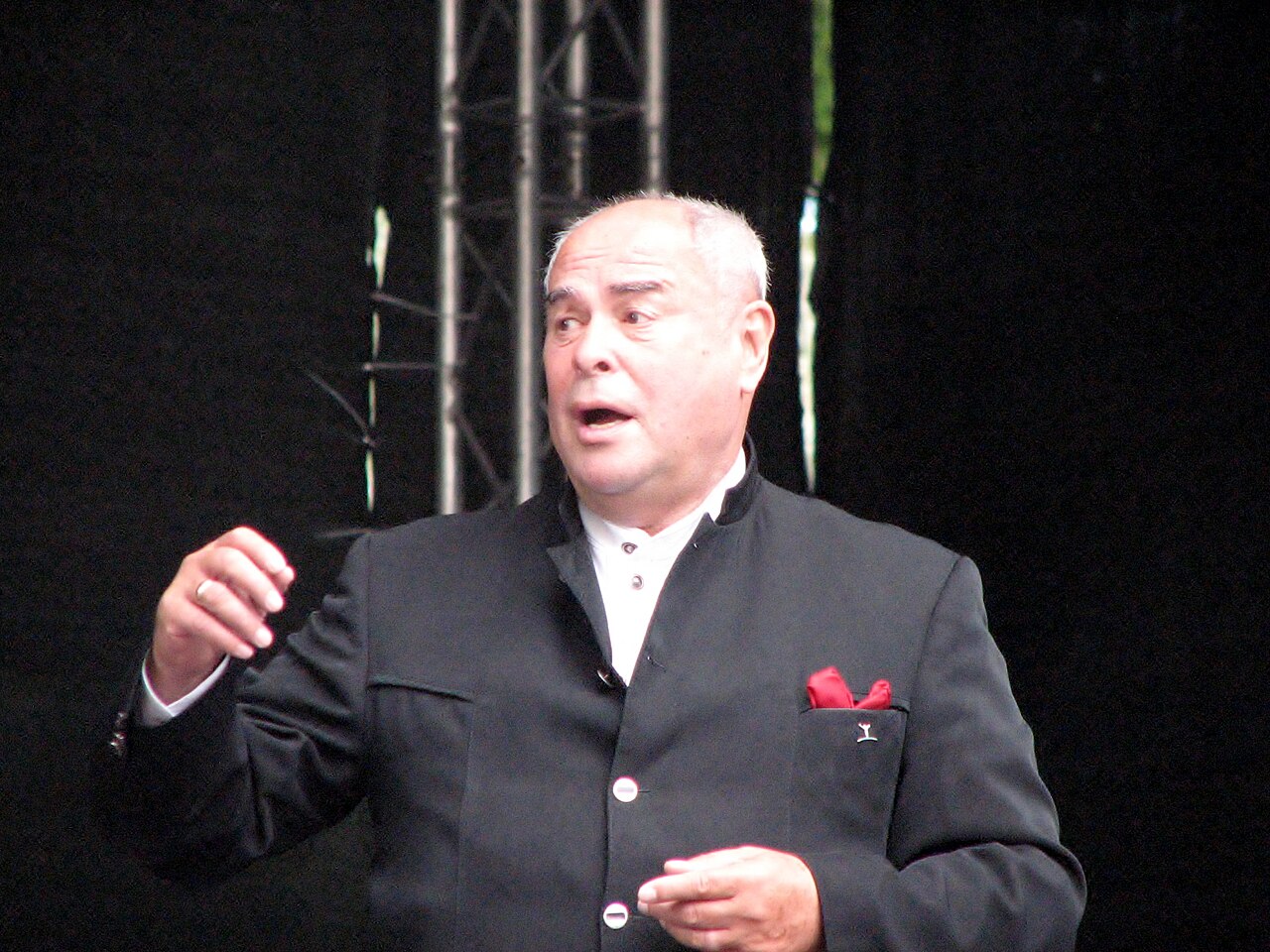
2 Images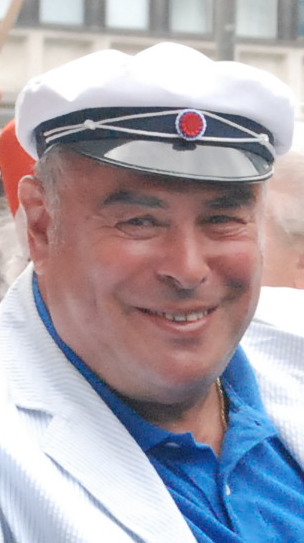
Musical career and style
Klas built a reputation as a versatile conductor able to direct both symphonic and operatic repertoire. He was especially visible as the leader of the Netherlands Radio Symphony Orchestra, a position that brought him international recognition. Colleagues and students recall his clarity on the podium, attention to orchestral detail and willingness to program contemporary works alongside standard repertoire. He worked as a guest conductor with a range of European ensembles and participated in opera productions and recordings throughout his career. A timeline of his professional engagements and recordings is often cited on artist and archive pages. Artist profiles list many of these appearances.
Teaching and influence
Education was a central part of Klas's life. He held professorships at the Sibelius Academy from 1993 to 1997 and at the Estonian Academy of Music and Theatre from 1997 until his death in 2016. Through these posts he mentored generations of conductors and instrumentalists, emphasizing both technical command and musical communication. His students have gone on to careers in orchestras, opera houses and educational institutions, extending his influence across northern Europe. Conservatory and academy pages often highlight his contributions to curriculum and masterclasses. Educational resources cover his teaching legacy.
Honors, public roles and distinctions
Klas received multiple honors in recognition of his artistic and civic work. In 1986 he was named a People's Artist of the USSR, a title awarded to eminent performers at that time. After Estonia regained independence, he was decorated with national and foreign orders, including the Order of the White Star and the Order of the Lion of Finland in 1992. He also served as a UNICEF Goodwill Ambassador, advocating for children's causes, and was active with the Estonian Olympic Committee, reflecting his engagement beyond the concert hall. Official notices and award lists summarize these distinctions. Honors and awards
Other activities and personal notes
In addition to music, Klas had a background as a boxer, an unusual detail that underlined his diverse interests and energetic character. He combined an active public profile with work in cultural diplomacy, frequently representing Estonian music abroad and participating in international festivals. Colleagues remember him as an approachable teacher and an outspoken advocate for the arts in public life. For humanitarian aspects of his career, consult UNICEF and related accounts. UNICEF and public work
Death and legacy
Eri Klas died in Tallinn on 26 February 2016 following a heart attack. He was 76. His death prompted tributes from orchestras, academies and cultural institutions that noted both his artistic accomplishments and his influence as an educator. Today his legacy survives in recordings, the students he trained and the institutional changes he helped shape in music education and cultural life in Estonia and beyond.
- Roles: Conductor, professor, cultural ambassador
- Key posts: Netherlands Radio Symphony Orchestra, Sibelius Academy, Estonian Academy of Music and Theatre
- Honors: People's Artist of the USSR (1986), Order of the White Star, Order of the Lion of Finland (1992)
- Public service: UNICEF Goodwill Ambassador, member of the Estonian Olympic Committee
Related articles
Author
AlegsaOnline.com Eri Klas: Estonian conductor, educator and public figure Leandro Alegsa
URL: https://en.alegsaonline.com/art/31873
Sources
- rus.postimees.ee : Ушел из жизни дирижер Эри Клас