
Epigraphy — the study and interpretation of inscriptions
Epigraphy examines texts carved, incised or painted on durable materials to document languages, events and social practices. It combines recording, reading, dating and context to reconstruct past societies.
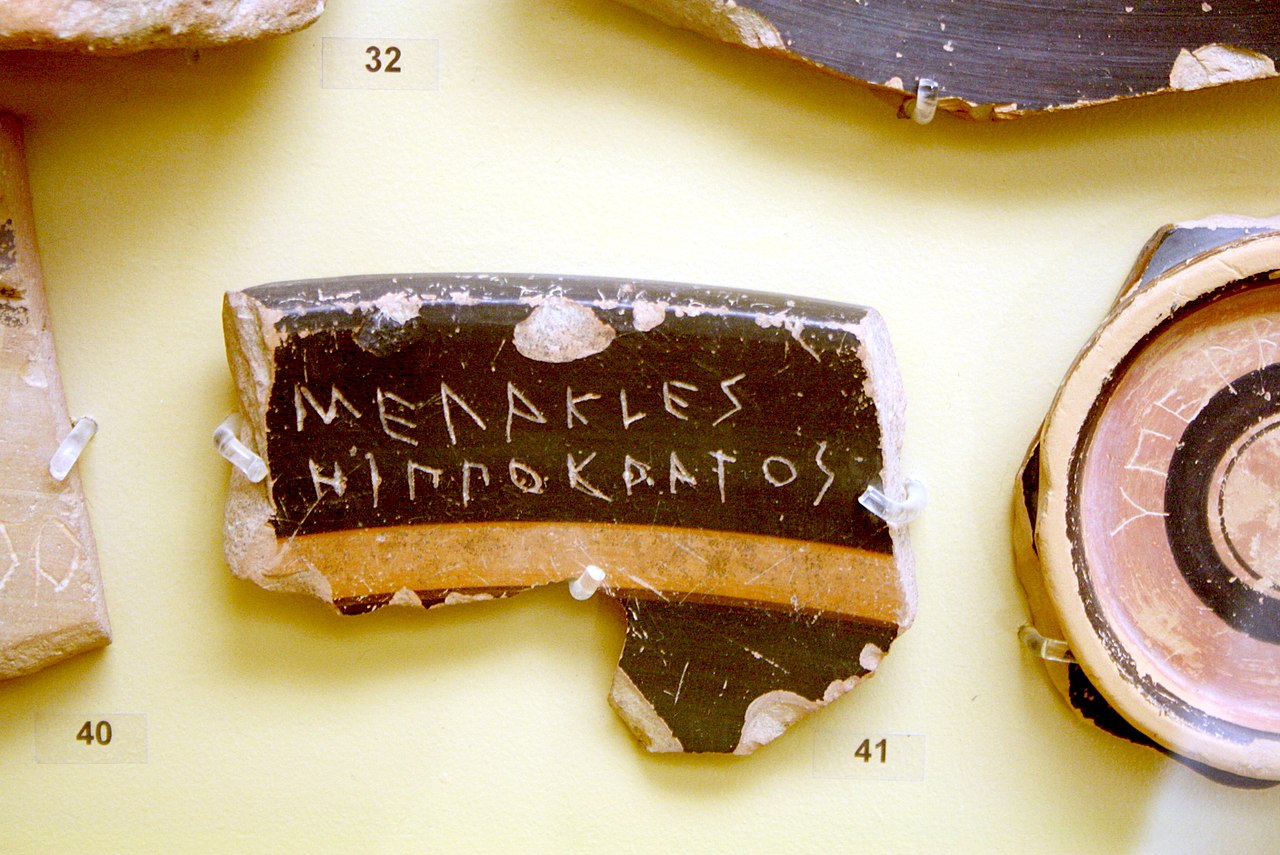
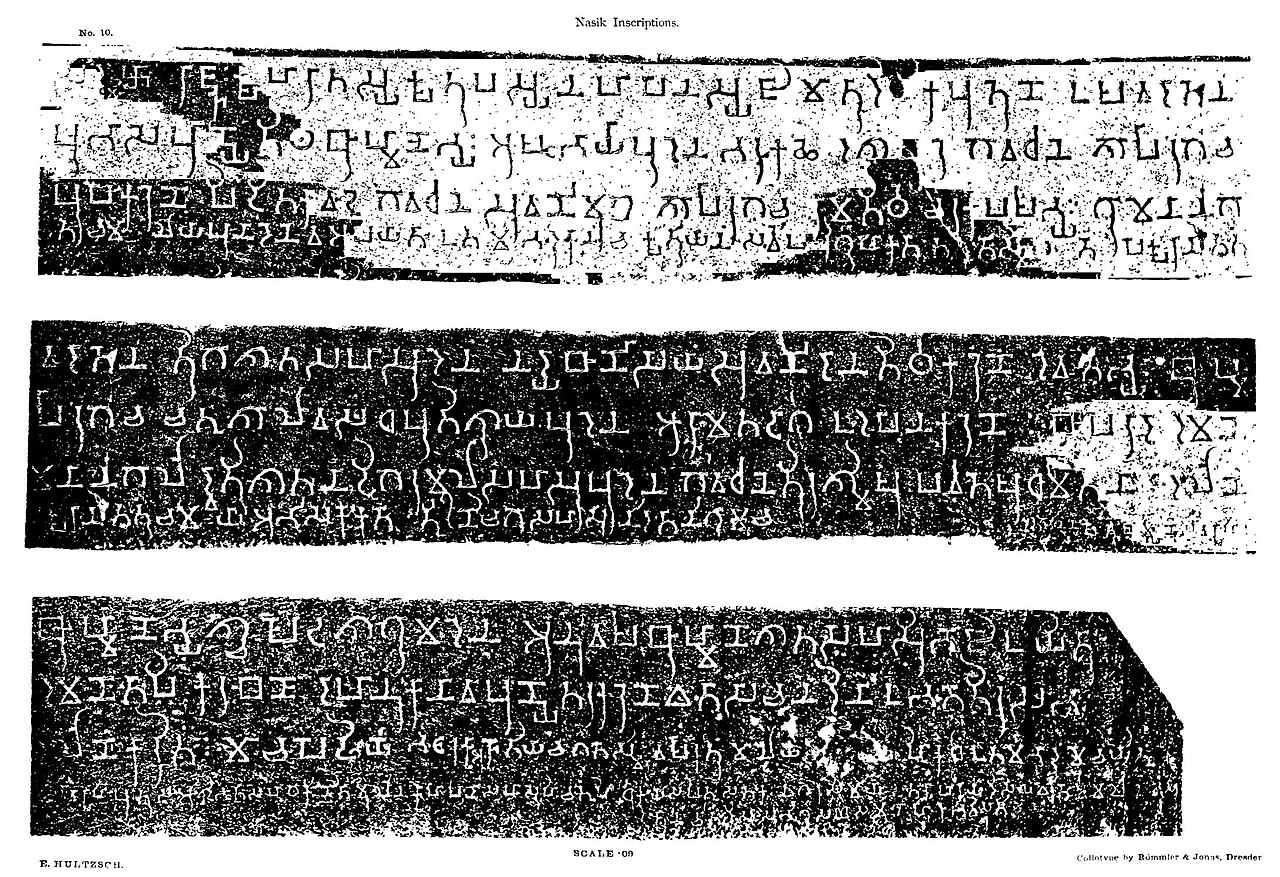
Epigraphy is the scholarly study of inscriptions: texts that are engraved, incised, painted or otherwise fixed on durable materials such as stone, metal, pottery, clay tablets, or wood. As a discipline it focuses on the physical object as well as the linguistic content, and it sits at the intersection of archaeology, history and linguistics. Epigraphers analyse inscriptions to learn how people recorded information in public and private life and how written systems developed over time. See also writing.
Image gallery
10 Images



Materials, forms and documentation
Common media include monumental stone slabs, building blocks, funerary stelae, coins, dedications, graffiti and seals. Recording methods aim to capture detail and context: careful hand-copying, high-resolution photography, rubbings or squeezes, and increasingly 3D scanning and digital imaging. Accurate records preserve texts that weather, break or are removed from their findspots and allow detailed comparative study.
Approaches and conventions
Epigraphic work typically involves identification, cleaning and conservation, then reading and transliteration into a modern script. Scholars use standard editorial conventions when a text is damaged or uncertain (for example, brackets for restorations). Dating an inscription may depend on letter-forms (paleography), archaeological context, formulaic language and sometimes associated scientific dating techniques.
Typical tasks and categories include:
- cataloguing and publishing corpora of inscriptions;
- transcription, translation and textual restoration;
- stylistic and palaeographic analysis to date or localize texts;
- integration with archaeological and historical evidence.
Epigraphy has produced key historical evidence: public decrees, legal texts, religious dedications, funerary epitaphs and early bilingual inscriptions that aided decipherment of lost scripts. Well-known corpora and discoveries have helped reconstruct languages and administrative systems across the ancient Mediterranean, South and East Asia, Mesoamerica and beyond.
Challenges include weathering, forgery and illicit excavation, and the need for careful conservation. Modern digital projects and searchable databases broaden access and enable computational analysis, making epigraphy a dynamic field that connects material culture with written records to illuminate past societies.
Related articles
Author
AlegsaOnline.com Epigraphy — the study and interpretation of inscriptions Leandro Alegsa
URL: https://en.alegsaonline.com/art/31719