
Encyclical: circular letter in Christian tradition
An encyclical is a formal ecclesiastical circular letter first used by bishops and later associated with papal teaching; it explains doctrine, offers guidance, and shapes church practice and public debate.
Encyclical originally denotes a circular or general letter sent to churches or clergy in a region. The word comes from the Greek for "circulating" and was used for communications intended for a wide audience. Historically such communications were practical and doctrinal circular letters issued by diocesan authorities.
Image gallery
2 Images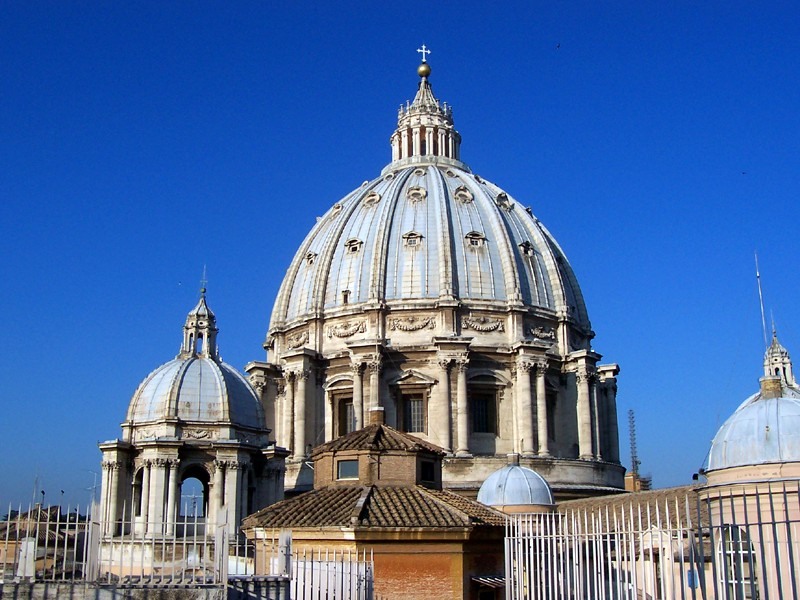

Usage in different communions
In the Roman Catholic Church the term has become associated almost exclusively with formal letters issued by the pope. Papal encyclicals address theological, moral, liturgical or social questions and are addressed to bishops and, often, to the whole faithful. Other churches retain the older sense: the Eastern Orthodox Church and the Anglican Communion continue to issue encyclicals as bishop-sent letters to local or broader groups.
Individual bishops also send similar communications; historically a diocesan bishop would circulate instructions on pastoral practice, discipline, or liturgy to parishes within a diocese. That practice forms the background for later, more centralized uses.
Form and content
Typical encyclicals open with a formal salutation and reference to the issuing authority, often adopt a Latin incipit as a title, and proceed through theological exposition, moral argument, practical recommendations and a concluding blessing. They are intended to clarify teaching, propose action, or respond to contemporary issues.
- Examples: some well-known papal encyclicals have addressed labor and social justice, life ethics, and environmental stewardship.
- Encyclicals may be pastoral rather than juridical, aiming to persuade rather than to legislate.
History and development
From the early church’s circular instructions to later medieval and modern practice, the encyclical evolved in form and authority. In Catholicism the papal encyclical became a chief instrument for teaching on pressing social matters from the 19th century onward, while other documents (apostolic constitutions, motu proprios) developed parallel legal or liturgical roles.
Importance and distinctions
Encyclicals carry significant moral and doctrinal weight and often shape public debate. They are distinguished from other authoritative texts by tone and purpose: an encyclical explains and advises, whereas a constitution or decree may promulgate law. Reception by bishops, theologians and the faithful determines how an encyclical influences doctrine and practice.
As both a historical practice and a modern instrument of teaching, the encyclical remains a key vehicle for communicating authoritative reflections across Christian communities.
Related articles
Author
AlegsaOnline.com Encyclical: circular letter in Christian tradition Leandro Alegsa
URL: https://en.alegsaonline.com/art/31349