
Encyclopaedia of Islam
A multi-edition scholarly reference in Islamic studies, produced over more than a century and published by Brill. Widely used by scholars, libraries and students for authoritative articles and bibliographies.
Overview
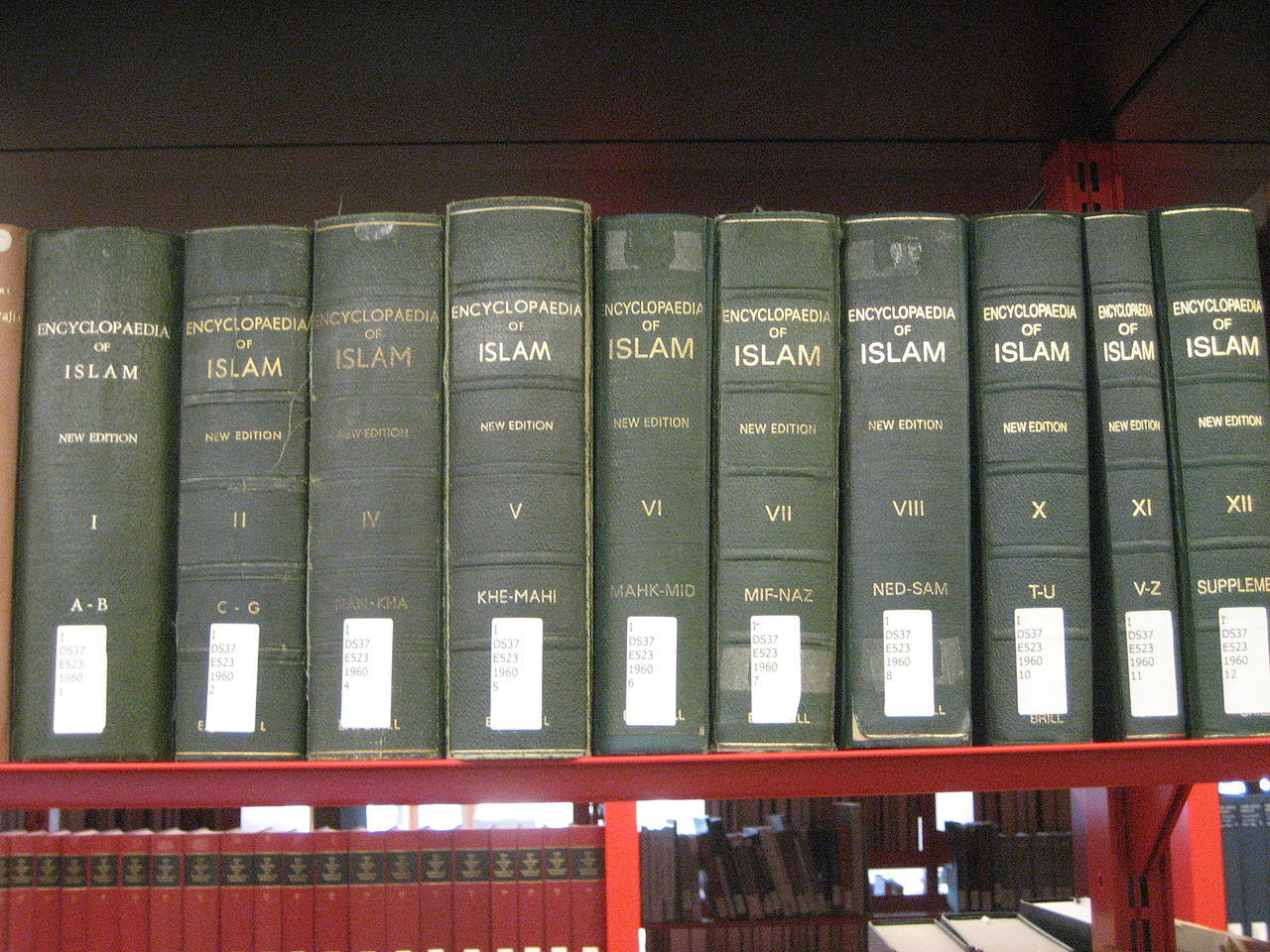
The Encyclopaedia of Islam is a major academic reference work covering the history, institutions, beliefs, literature, arts, languages and peoples of the Muslim world. Compiled and revised by an international team of specialists, it aims to provide reliable, critical summaries grounded in primary sources and modern scholarship. It is widely regarded as a standard reference in the field and is consulted by historians, philologists, anthropologists, theologians and librarians. For institutional descriptions see a publisher's overview.
Image gallery
2 Images
Contents and format
Entries range from short definitional notices to long, annotated articles and surveys. Typical subjects include biographies of notable figures, discussions of legal and theological schools, treatments of arts and architecture, regional and ethnic studies, and articles on terminology and philology. Articles normally include bibliographies and cross-references that orient readers to primary sources and further scholarship. The editorial approach emphasizes clarity, documented evidence and scholarly balance rather than popular synthesis.
History and editions
Published in successive major editions since the early twentieth century, the encyclopaedia has evolved in scope and method. Early volumes established foundational scholarship; later editions expanded coverage and updated interpretations in light of new research. The work has been produced in print and, more recently, as a continuously updated online resource maintained by the publisher and editorial board.
Editorial practice and language
Contributors are typically university-based specialists who supply referenced, peer-reviewed articles. While earlier volumes included significant material in several European languages, contemporary editions prioritize English to reach a broad scholarly audience while remaining international in authorship and perspective.
Use, access and citation
Researchers use the encyclopaedia to verify facts, locate bibliographies, clarify specialized terminology and obtain concise expert summaries. Libraries often hold the printed sets and provide institutional access to the digital platform, which enables searching and access to revised entries. Users should cite the specific edition or article version consulted to indicate provenance and date of scholarship. See the online platform for access details at publisher's online service.
Limitations and related works
No single reference can cover all perspectives; readers are encouraged to consult primary sources and recent monographs for detailed study. Complementary general histories and specialised journals remain important for up-to-date research and debates in the field.
Related articles
Author
AlegsaOnline.com Encyclopaedia of Islam Leandro Alegsa
URL: https://en.alegsaonline.com/art/31351