
Ender's Game
Ender's Game is Orson Scott Card's influential science‑fiction novel about child prodigies trained for interstellar war; it explores leadership, ethics and the costs of victory.
Overview
Ender's Game is a science‑fiction novel by Orson Scott Card that follows Andrew "Ender" Wiggin, a young tactical genius recruited to a military training program to prepare for a future alien invasion. Set decades after two near‑catastrophic encounters with an insect‑like extraterrestrial species, the story centers on the International Fleet's effort to identify and mold a commander capable of defeating the aliens in any forthcoming conflict. The novel charts Ender's psychological growth, the strain of isolating leadership, and the moral consequences of decisions made under extreme pressure.
Image gallery
1 Image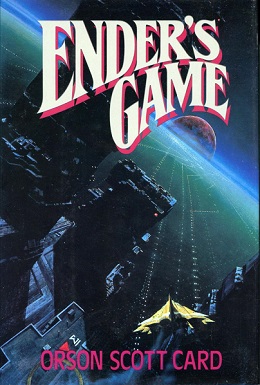
Structure, characters and key elements
The narrative moves from the formative years of Battle School — a zero‑gravity academy where children learn fleet tactics through simulated combat — to Command School, where simulations escalate into apparent final examinations. Principal characters include Ender himself and his siblings Peter and Valentine, who represent alternative responses to power and empathy. The alien antagonists are commonly called "the buggers" in the text and later referred to as the Formics.
- Battle School: rigorous training, peer rivalry, and team formation.
- Command School: advanced strategic instruction and virtual warfare.
- Simulations: ethical ambiguity about what is real and what is experimental.
Publication history and development
The story began as a shorter work published in the 1970s in Analog and was later expanded into the full novel released in 1985. Card revised the text in subsequent editions to reflect changes in geopolitical context and to clarify details; one well‑known revision in 1991 addressed dated references such as the dissolution of the Soviet Union (Soviet Union) so the setting would remain plausible for new readers.
Sequels, related works and adaptations
Ender's Game launched a larger series that follows Ender and other figures across space and decades. Direct continuations include Speaker for the Dead, Xenocide and Children of the Mind, while other books and stories (for example, Ender in Exile and A War of Gifts) expand the universe and its timelines. The novel has been adapted for film and other media, bringing its central images — the Battle Room, command simulations, and the young tactical prodigy — to broader audiences.
Themes, reception and legacy
Ender's Game is widely discussed for its exploration of leadership under duress, the ethics of using children as instruments of war, empathy toward one's enemy, and the psychological costs that accompany genius and isolation. It received major science‑fiction awards and has been influential in military and educational discussions about strategy, training, and moral responsibility. Critics and readers continue to debate its portrayals of manipulation and redemption, while the book remains a staple in modern science‑fiction literature.
Related articles
Author
AlegsaOnline.com Ender's Game Leandro Alegsa
URL: https://en.alegsaonline.com/art/31372
Sources
- frescopictures.com : "Ender's Game The Book"
- hatrack.com : Short Stories by Orson Scott Card - Ender's Game
- worldcon.org : "The Hugo Awards, 1986"
- dpsinfo.com : "1985 Nebula Winners"