
Emulsifier: agents that stabilize mixtures of immiscible liquids
An emulsifier is an amphiphilic additive that helps immiscible liquids (like oil and water) form and keep stable dispersions; used in food, pharmaceuticals, cosmetics, and industry.
Overview
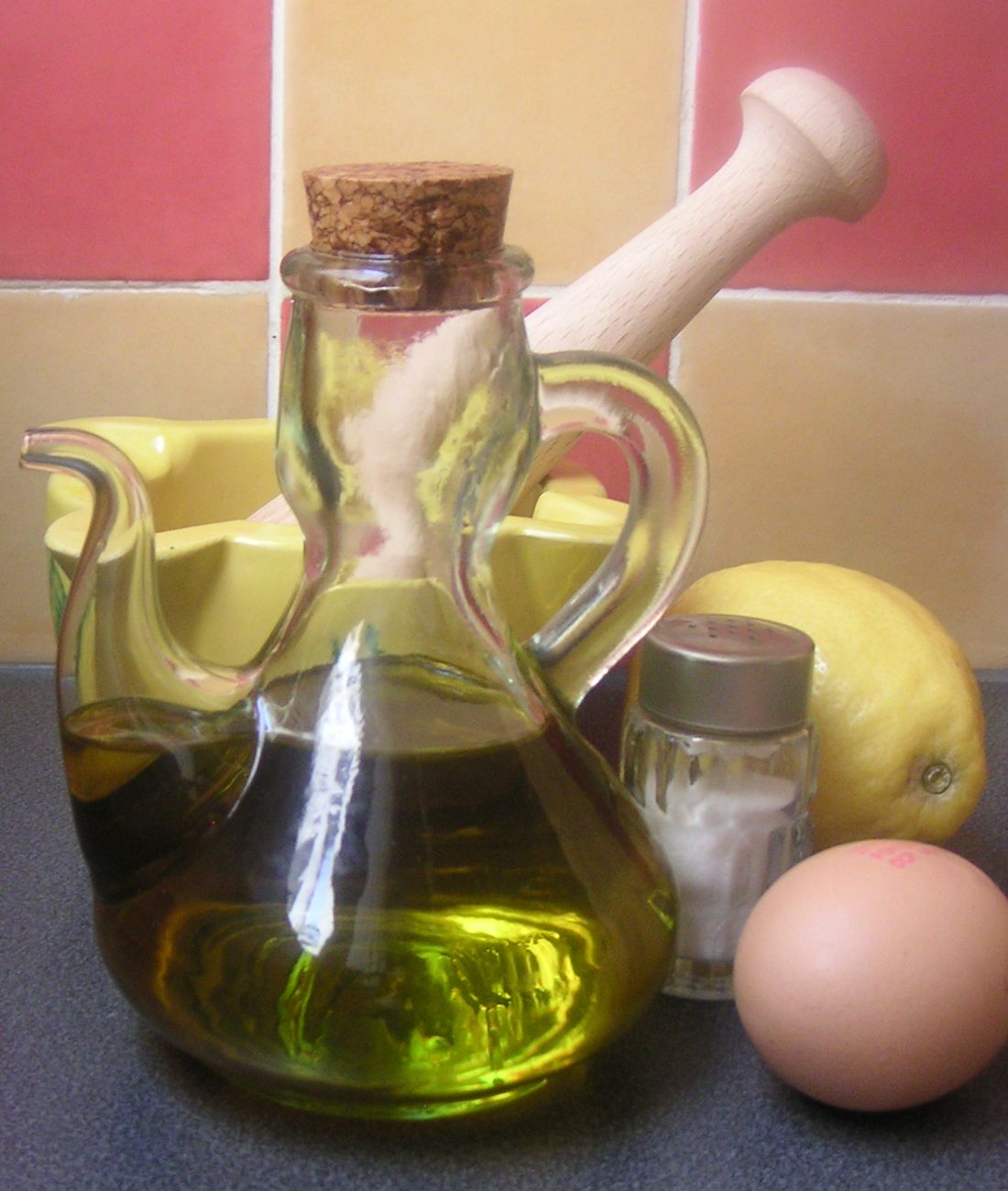
An emulsifier is a substance added to enable or improve mixing between two normally immiscible liquids, most commonly oil and water. Emulsifiers are a class of surfactants with both a water-attracting (hydrophilic) portion and an oil-attracting (hydrophobic) portion. By locating at the interface between phases they reduce interfacial tension and slow the tendency of droplets to coalesce, producing a suspension called an emulsion. In everyday contexts, common examples include egg yolk and mustard used in sauces and dressings.
Image gallery
8 Images




Structure and mechanism
At the molecular level an emulsifier is amphiphilic: it has a hydrophilic head that prefers the aqueous phase and a hydrophobic tail that prefers the oil phase. When added to a mixture the molecules orient at the oil/water boundary or form structures such as micelles and bilayers. This orientation changes the surface energy and creates a mechanical and sometimes electrostatic barrier that stabilizes small droplets and prevents rapid separation. The same basic principle helps detergents, wetting agents, and foaming agents work in related applications.
Types and examples
- Natural emulsifiers: lecithin from egg yolk or soy, milk proteins and casein, and certain polysaccharides.
- Synthetic or processed: polysorbates, sorbitan esters, and other manufactured surfactants used for consistent performance.
- Classification by charge: nonionic, anionic, cationic and zwitterionic surfactants, each suited to different formulations.
Simple household references: egg yolk and mustard are often cited as traditional emulsifiers; soap and detergents are related surfactants that aid mixing but have different typical uses. See also basic definitions of an additive and common liquids.
Uses and importance
Emulsifiers are essential in food processing (mayonnaise, ice cream, margarine), pharmaceuticals (creams, suspensions, drug delivery systems), cosmetics (lotions and makeup), and many industrial products such as paints, inks and lubricants. They enable controlled texture, improved shelf life, and predictable performance of multi-phase products. In medicine and biotechnology they also assist in forming nanoparticles and encapsulating active ingredients for targeted delivery.
Stability, formulation and factors
The stability of an emulsion depends on droplet size, emulsifier concentration, temperature, pH, and the presence of salts or other solutes. Formulators choose emulsifier type and process (high-shear mixing, homogenization) to create either oil-in-water (O/W) or water-in-oil (W/O) systems, and can produce complex multiple emulsions when required. Practical testing focuses on creaming, coalescence, Ostwald ripening and phase inversion.
History, safety and regulation
Humans have used natural emulsifiers for millennia in cooking; systematic scientific study of surfactants and synthetic emulsifiers expanded during the 19th and 20th centuries with advances in organic chemistry and industrial manufacturing. Modern use is subject to safety assessments and regulations that vary by industry and country. Environmental impact and biodegradability are important considerations for many synthetic emulsifiers. For basic comparisons between oil and water see oil and water related resources.
Notable distinctions: an emulsifier is a surfactant specifically used to create or stabilize emulsions; not all surfactants are primarily used as emulsifiers, and formulation chemistry determines the right choice for a given product.
Related articles
Author
AlegsaOnline.com Emulsifier: agents that stabilize mixtures of immiscible liquids Leandro Alegsa
URL: https://en.alegsaonline.com/art/31308