
Wu Zetian: China's Only Woman to Rule as Emperor
Wu Zetian (c. 625–705) rose from concubinage to found the Zhou dynasty (690–705), ruled as emperor, enacted administrative and examination reforms, and remains a contested figure in Chinese history.
Overview
Wu Zetian is remembered as the only woman in Chinese history to rule as emperor in her own name. Known in Chinese as 武则天 (simplified) and 武則天 (traditional), and romanized as Wǔ Zétiān, she lived roughly from 625 to 705. She began her career at the Tang court and later proclaimed a new Zhou dynasty, ruling as sovereign from 690 until 705. Scholars note both her political skill and the strong reactions—admiration and condemnation—she has provoked in later generations. She is often described as the first woman to rule China, and her reign took place within the broader political context of imperial China.
Image gallery
10 Images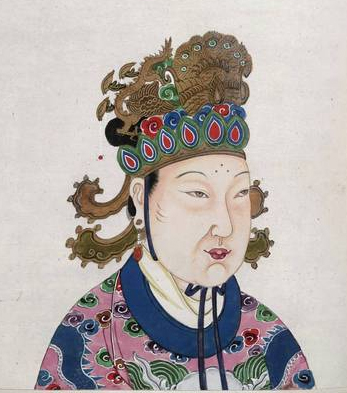


Rise to Power
Wu entered palace service as a concubine of Emperor Taizong. After his death she was sent to a convent, as was customary, but later returned to court and became the consort of his successor, Emperor Gaozong. When Gaozong suffered a debilitating illness—often noted in sources as a stroke, after which she assumed effective control—Wu consolidated power through court alliances, patronage, and administrative appointments. Historians emphasize her political intelligence and readiness to use available institutions to strengthen her position.
Reign and Policies
In 690 Wu formally declared the Zhou dynasty and took the imperial title. Her government pursued several notable policies aimed at strengthening central authority and improving bureaucratic competence. Measures attributed to her rule include:
- Expansion and use of the civil service examination system to recruit officials by merit rather than birth.
- Promotion of capable administrators from diverse social backgrounds and suppression of entrenched aristocratic factions.
- Patronage of Buddhism and use of religious language and ceremonies to bolster legitimacy.
- Administrative reorganizations intended to improve revenue, local governance, and military effectiveness.
Controversy and Legacy
Accounts of Wu Zetian in traditional Confucian histories often emphasize alleged cruelty, alleged purges, and use of secret police to remove rivals. Modern scholarship treats many of these claims with caution, noting that political bias in later sources colors the record. Whatever the extent of such actions, her rule clearly altered the bureaucracy and set precedents for meritocratic recruitment that influenced later dynasties. After her overthrow in 705, Tang restoration followed, but Wu's reforms and the example of a woman attaining supreme power left a lasting mark on Chinese political and cultural memory.
Notable Facts
Wu's life and reign are widely represented in Chinese literature, drama, and popular culture. She remains a focal point for discussions about gender and authority, leadership, and the use of ideology for political ends. For discussion of specific episodes in her life and evaluations across time, see primary and modern scholarly sources; for an introduction to her name and titles consult entries labeled Gaozong and related events and other court records.
Author
AlegsaOnline.com Wu Zetian: China's Only Woman to Rule as Emperor Leandro Alegsa
URL: https://en.alegsaonline.com/art/133097