
Emmett W. Chappelle — American biochemist and inventor
Emmett W. Chappelle (1925–2019) was an African-American biochemist whose work on bioluminescence produced practical assays for detecting life and contamination; he worked at NASA and other U.S. research organizations.
Emmett W. Chappelle (October 24, 1925 – October 14, 2019) was an American biochemist and inventor best known for adapting natural light-producing reactions for analytical and exploratory uses. Born in Phoenix, Arizona, his early life led to a scientific career in which laboratory techniques based on bioluminescence became widely influential. He worked as a researcher for several U.S. agencies, including work associated with NASA, and is remembered for translating basic biochemical phenomena into practical detection methods.
Image gallery
1 Image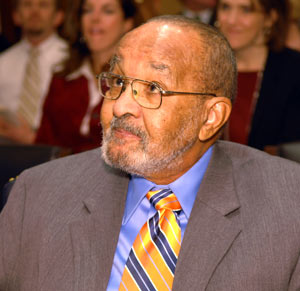
Scientific work and methods
Chappelle concentrated on reactions in which biological molecules produce light. By using enzymes and substrates that emit light in the presence of adenosine triphosphate (ATP) or other cellular components, he helped create sensitive assays that reveal tiny amounts of living cells. These luminescent assays provide quick, quantitative measurements and are used to detect microbial contamination, to measure the presence of living organisms, and to develop instruments for field and laboratory testing.
Career highlights and affiliations
Over the course of his career Chappelle worked in government and research laboratories conducting applied biochemical research. He was active in professional societies and held memberships that connected him to the wider scientific community. Selected memberships include:
- American Chemical Society
- American Society of Biochemistry and Molecular Biology
- American Society of Microbiology
- American Society of Photobiology
- American Society of Black Chemists
He also held patents and published on techniques that paired biochemistry with optical detection, helping to move luminescence assays from concept to commercial and operational use.
Applications and importance
Chappelle’s work produced methods now used for rapid testing in water quality, food safety, clinical microbiology, and environmental monitoring. Because luminescent assays can be miniaturized and require little sample preparation, they are attractive for fieldwork and for use in constrained environments—an aspect that drew interest for space missions seeking signs of life. His contributions bridge fundamental biochemistry and practical instrumentation.
Legacy and final years
As an African-American scientist who advanced both basic knowledge and practical tools, Chappelle is often cited as an example of scientific innovation with societal benefit. He continued to be recognized by peers and institutions for applying biochemical insight to real-world problems. Chappelle died in Baltimore, Maryland on October 14, 2019, of kidney failure; contemporary notices of his passing noted his scientific achievements and influence on applied biochemistry (cause of death).
Related articles
Author
AlegsaOnline.com Emmett W. Chappelle — American biochemist and inventor Leandro Alegsa
URL: https://en.alegsaonline.com/art/31232
Sources
- legacy.com : "Emmett W. Chappelle"