
Emma Goldman: Anarchist, feminist and labor organizer
Emma Goldman (1869–1940) was a Russian‑born American anarchist, speaker and writer who championed free speech, workers' rights, birth control and sexual freedom; she was deported from the U.S. in 1919.
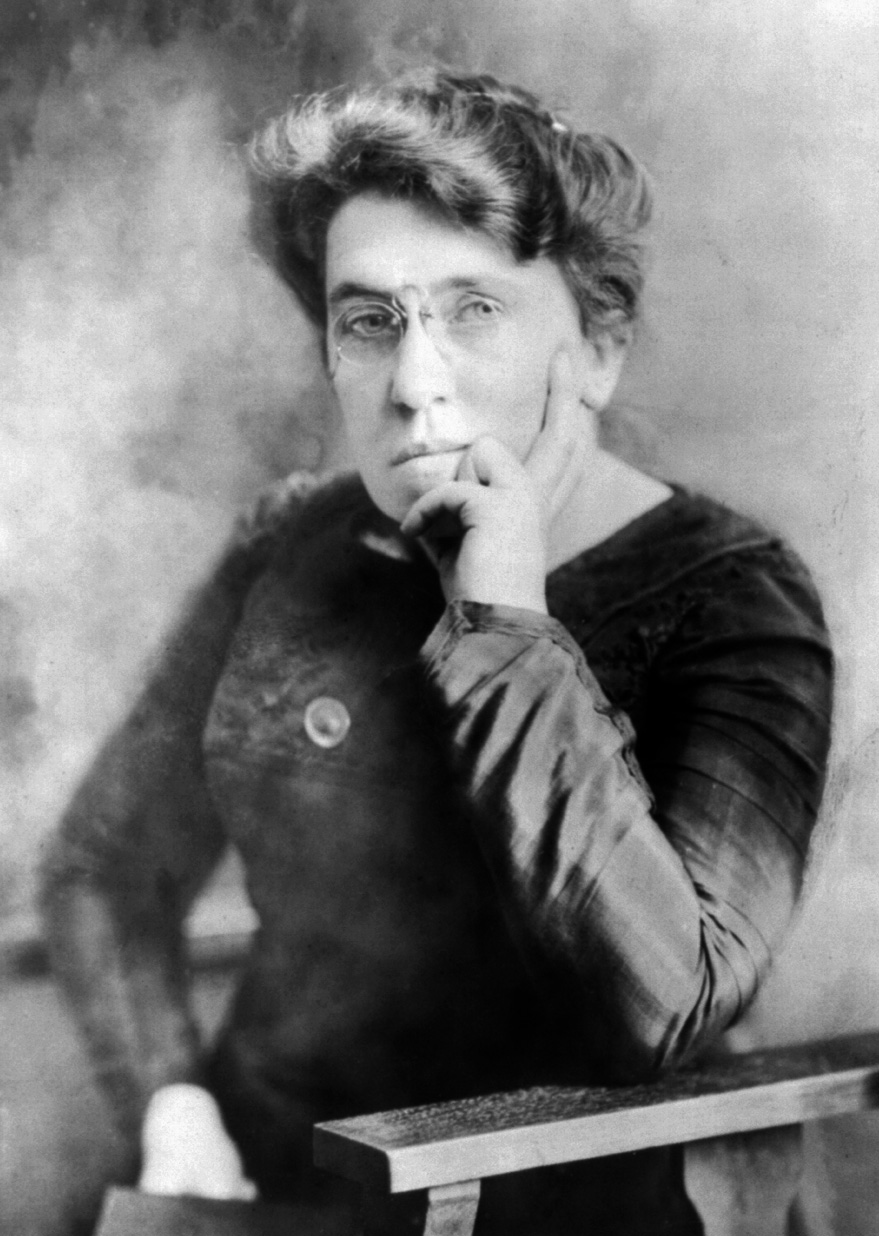
Emma Goldman was a prominent anarchist thinker and activist whose career spanned the late 19th and early 20th centuries. Born in 1869 in what was then the Russian Empire and emigrating to the United States as a young woman, she became best known for her speeches, publications and organizing on behalf of workers, women's autonomy and civil liberties. Her life combined uncompromising political critique, public controversy and influential writing.

Image gallery
10 Images



Early life and political formation
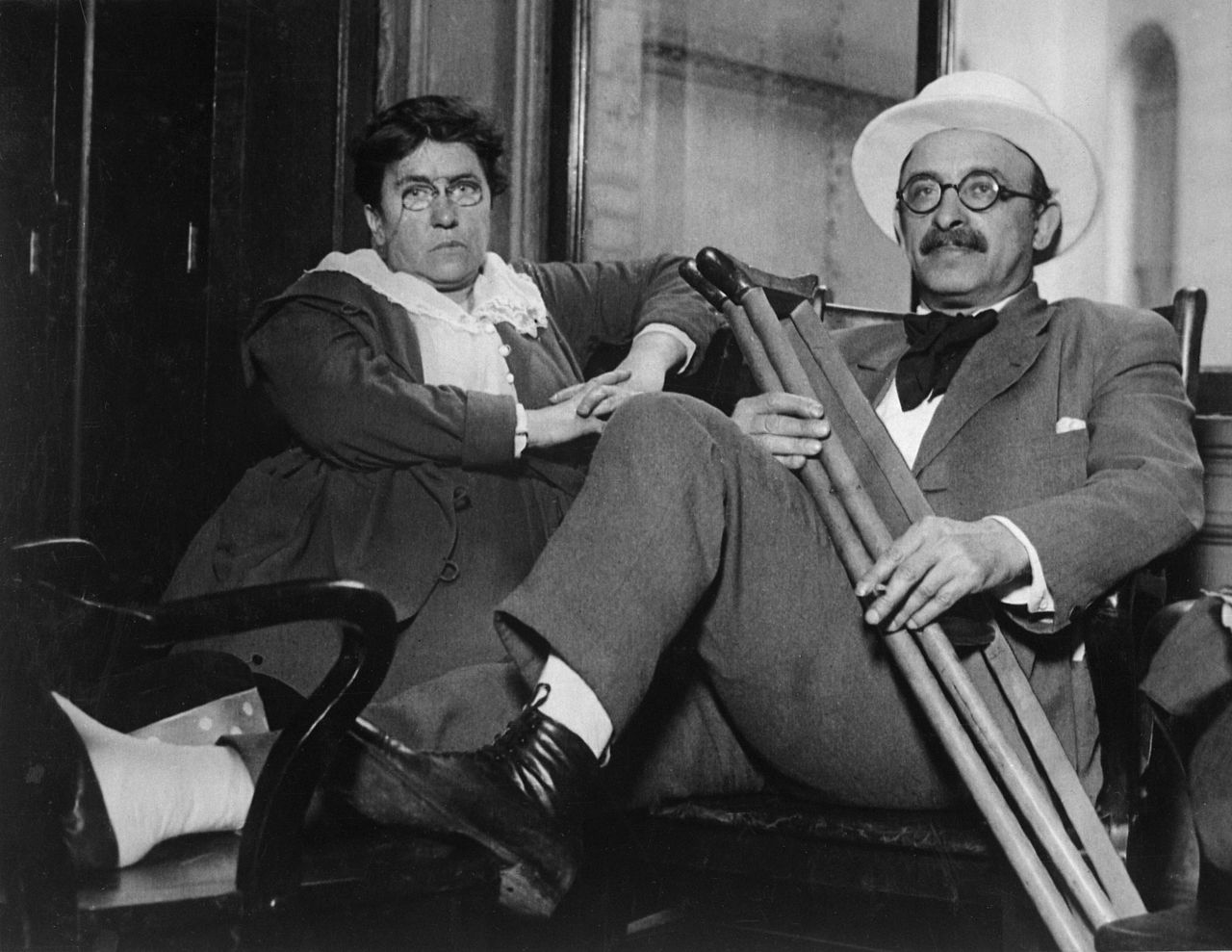
Goldman arrived in North America in the 1880s and worked in industrial cities where she encountered labor unrest and harsh factory conditions. These experiences, together with the radical currents of her era, shaped her move toward anarchism. She formed lasting partnerships with other activists and became a powerful public speaker, gaining attention for defending unpopular causes.
Ideas and activities
Her politics blended critiques of state power and capitalism with advocacy for individual freedom. Major themes included:
- Workers' rights and syndicalist organizing, including sympathy with direct-action unions;
- Free speech and opposition to censorship, expressed through lectures and publications;
- Feminism and sexual freedom — she argued for birth control, reproductive choice and challenged traditional marriage;
- Anti‑militarism and opposition to conscription and war.
Major events and conflicts
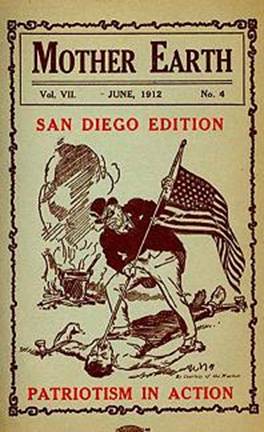
Goldman published and edited the periodical Mother Earth and was repeatedly arrested for her public advocacy. Her outspoken opposition to World War I led to imprisonment under U.S. wartime laws and, in 1919, to deportation along with many other anarchists and leftists during the Red Scare. She spent the following years traveling in Europe and writing about revolution and repression.
Later life and legacy
Disillusioned by Bolshevik authoritarianism after visiting revolutionary Russia, she documented her criticisms in essays and memoirs. Her autobiography and later writings continued to influence radicals, feminists and defenders of civil liberties. Emma Goldman remains a contentious but central figure in histories of anarchism, social movements and early feminist thought, remembered for combining intellectual force with direct public engagement.
Questions and answers
Q: Who was Emma Goldman?
A: Emma Goldman was a Russian-American anarchist and labor organizer.
Q: When was she born?
A: She was born on June 27, 1869.
Q: When did she die?
A: She died on May 14, 1940.
Q: What were her beliefs?
A: She believed in anarcho-communism and was an early supporter of atheism, gay rights and feminism.
Q: Where did she live?
A: She lived in the United States.
Q: What kind of work did she do?
A: She worked as an anarchist and labor organizer.
Q: How did she contribute to society?
A: Emma Goldman contributed to society by advocating for atheism, gay rights and feminism before they were widely accepted views.
Related articles
Author
AlegsaOnline.com Emma Goldman: Anarchist, feminist and labor organizer Leandro Alegsa
URL: https://en.alegsaonline.com/art/31201