
Emma Lazarus: American poet, translator, and advocate behind The New Colossus
Emma Lazarus (1849–1887) was an American poet and translator of Sephardic Jewish background. Best known for the sonnet "The New Colossus," she also wrote lyric verse, translated German poetry, and defended Jewish immigrants.
Emma Lazarus was born July 22, 1849 and died November 19, 1887. She is remembered as an American poet and writer of Jewish origin, whose work ranges from lyric verse and sonnets to translations and public essays. Her best known poem, "The New Colossus," came to symbolize a welcoming ideal associated with the Statue of Liberty.
Image gallery
7 Images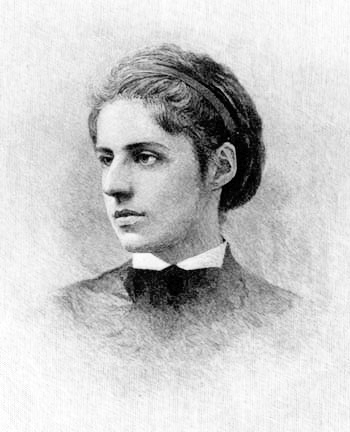


Early life and background
Lazarus was raised in New York City in a prosperous Sephardic family; her father's ancestors had emigrated from Portugal. She received a broad education at home and in private circles that encouraged reading in several languages. Although born into a comfortable household, her adult concerns turned toward social issues and the experiences of Jews in Europe and America. Personal choices included remaining unmarried throughout her life.
Literary work and style
She wrote many lyric poems and experimented with traditional English forms, including rhyme royal and ottava rima. Lazarus was particularly accomplished in the sonnet form (sonnets), and she compiled cycles of verse such as the series titled Epochs. Her diction blends classical formalism with contemporary subjects, and her work often moves between personal reflection and public concerns.
Translations and journalism
Beyond original poetry, she translated German Romantic and post‑Romantic verse, notably works by the German poet Heinrich Heine. Her translations helped introduce English‑speaking audiences to European lyric voices. As a journalist and essayist she openly protested discrimination and used her pen to address injustices facing immigrants and Jews.
"The New Colossus" and public recognition
Emma Lazarus wrote the sonnet commonly known as "The New Colossus" in 1883 for a fundraising event connected with the pedestal of the Statue of Liberty. Its famous closing lines—invoking a refuge for the tired, poor, and huddled masses—were later mounted inside the statue’s pedestal and helped shape the poem’s cultural significance. Though she produced many other poems and translations in her lifetime, that sonnet remains the most widely cited and has been reproduced in monuments and anthologies.
Activism, final years, and legacy
Lazarus’s interest in Jewish identity and relief efforts deepened after reading George Eliot’s Daniel Deronda and in response to outbreaks of violence and persecution in Eastern Europe. She advocated for refugees and used public appeals and benefit readings to raise funds and awareness. Lazarus died relatively young of Hodgkin’s lymphoma, but her poetry and public writings continued to influence debates about immigration, refuge, and American identity.
Selected works and further reading
- Poetry: collections and individual sonnets (see references above)
- Collections: the cycle Epochs and various lyric volumes
- Translations: English versions of German lyric poetry
- Notable poem: "The New Colossus" (inscribed in the Statue of Liberty’s pedestal)
For additional contemporary commentary and archival materials, consult specialized biographies, collected editions of her correspondence, and scholarly studies of 19th‑century American poetry and Jewish‑American history. Related entry points and digital resources may be found via these links: birth, death, American poet, Jewish background, Portuguese roots, influence of Daniel Deronda, lyric poetry, rhyme royal, ottava rima, sonnets, translations, Heine, anti‑discrimination efforts.
Questions and answers
Q: Who was Emma Lazarus?
A: Emma Lazarus was an American poet and playwright of Jewish origin.
Q: How many children did Moses and Esther Nathan Lazarus have?
A: Moses and Esther Nathan Lazarus had seven children.
Q: Where did Emma Lazarus's father's family come from?
A: Emma Lazarus's father's family came from Portugal.
Q: What inspired Emma Lazarus's interest in Jewish tradition?
A: Emma Lazarus's interest in Jewish tradition was inspired by reading Daniel Deronda by George Eliot.
Q: How did Emma Lazarus die?
A: Emma Lazarus died of Hodgkin's lymphoma.
Q: What is Emma Lazarus's best known work?
A: Emma Lazarus's best known work is the sonnet The New Colossus, which was placed at The Statue of Liberty in New York.
Q: What did Emma Lazarus protest against as a journalist?
A: As a journalist, Emma Lazarus always protested against any kind of discrimination.
Related articles
Author
AlegsaOnline.com Emma Lazarus: American poet, translator, and advocate behind The New Colossus Leandro Alegsa
URL: https://en.alegsaonline.com/art/31202