
Emergency Medical Technician (EMT): Role, training, and responsibilities
Overview of emergency medical technicians: duties, training levels, common procedures, history, equipment, and distinctions from other prehospital providers.
Overview
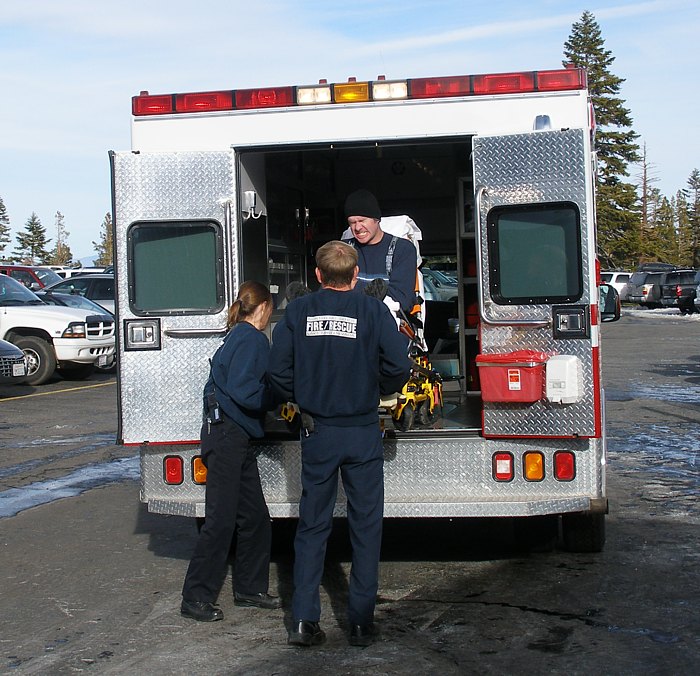
An emergency medical technician (EMT) is a health care provider who delivers basic to intermediate emergency medical care and transportation for patients who are ill or injured. EMTs most often work on an ambulance or in other prehospital settings such as event medical posts, community response units, or hospital outreach programs. Their work focuses on rapid assessment, stabilization, and safe transfer of patients to definitive care.
Image gallery
3 Images

Core duties and common interventions
EMTs perform a range of immediate care tasks. These emphasize lifesaving priorities, comfort, and scene safety. Typical duties include:
- Initial patient assessment and monitoring (airway, breathing, circulation, mental status).
- Basic first aid and wound care, bleeding control, and splinting of fractures.
- Cardiopulmonary resuscitation (CPR), use of automated external defibrillators (AEDs), and oxygen administration.
- Assisting patients with prescribed medications and using approved emergency drugs or devices within local protocols.
- Safe lifting, immobilization, and transport to emergency departments.
Training and certification
EMT training programs combine classroom instruction, practical skills stations, and clinical or ambulance ride-along experience. Curriculum covers anatomy, patient assessment, airway management, trauma care, and legal/ethical issues. Certification and scope of practice vary by jurisdiction but typically require passing a standardized exam and holding current cardiopulmonary resuscitation certification. Continuing education and periodic recertification maintain competence.
Equipment and working environment
EMTs use portable equipment suited to the prehospital setting: stretchers, cervical collars, bandages, splints, oxygen systems, suction units, and basic monitoring devices. They must work in variable environments—private homes, roadside scenes, and crowded public venues—often under time pressure, with attention to scene safety and infection control.
History and distinctions
The EMT role developed from early ambulance services that were primarily transport-focused to today’s clinically capable prehospital responders. Career progression often moves from EMT to advanced levels (e.g., Advanced EMT, paramedic), which expand skills such as advanced airway management, intravenous therapy, and more extensive pharmacology. EMTs are distinct from paramedics by scope of practice, though both collaborate closely in emergency medical systems.
Importance and examples
EMTs are a critical link between the public and hospital care, reducing mortality and morbidity by providing prompt prehospital treatment. Examples of EMT work include responding to cardiac arrest, motor vehicle collisions, diabetic emergencies, allergic reactions, and mass-casualty incidents, where organized basic interventions can change outcomes while patients are en route to definitive care.
Related articles
Author
AlegsaOnline.com Emergency Medical Technician (EMT): Role, training, and responsibilities Leandro Alegsa
URL: https://en.alegsaonline.com/art/31116