
Elsa Cayat: French psychoanalyst and columnist
French psychoanalyst and writer who contributed the biweekly column “Le Divan” to Charlie Hebdo; author on couple and sexuality topics; killed in the January 2015 attack in Paris.
Elsa Cayat (9 March 1960 – 7 January 2015) was a French psychoanalyst, author and regular columnist best known for her biweekly feature "Le Divan" ("The Couch") in the satirical weekly Charlie Hebdo. Through that column she sought to bring psychoanalytic perspectives to public debate, commenting on interpersonal issues, social tensions and matters of intimacy in accessible language.
Image gallery
2 Images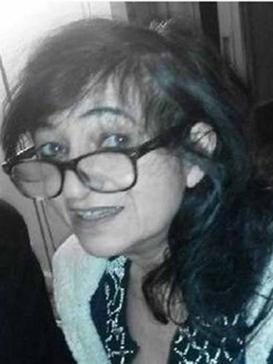

Career and approach
Cayat combined clinical practice with writing aimed at a general readership. Rather than publishing solely in academic forums, she used short columns and books to address everyday problems of couplehood, desire and sexual life. Her style blended clinical observation with cultural commentary: she often emphasized the psychological dimensions of contemporary social phenomena and the ways private conflicts reflect broader public concerns.
Writings and themes
She authored several works dealing with relationships and sexuality and collaborated with other professionals to explore these subjects from multiple angles. In her columns, recurring themes included intimacy and alienation, communication within couples, and the unconscious forces that shape behavior. Her texts were framed to help readers recognize psychological patterns without privileging technical jargon.
Death and public reaction
Cayat was killed during the armed attack on the offices of Charlie Hebdo in Paris on 7 January 2015, an event widely reported as the January 2015 attack. She was 54. Her death, along with those of several colleagues, prompted national and international expressions of grief and debate about freedom of expression, the role of satire in society, and the safety of journalists.
Legacy and significance
Elsa Cayat is remembered for bringing psychoanalytic ideas into conversations beyond the consulting room and for treating subjects often regarded as private with clarity and humanity. Colleagues and readers noted that her contributions helped demystify aspects of sexual life and couple dynamics, making psychological insight more accessible to a wide audience. Her voice is often cited in discussions about the intersections of mental health, culture and public discourse.
Notable facts
- Regular columnist of "Le Divan" in Charlie Hebdo, publishing reflections that connected clinical thinking with social critique.
- Wrote books and texts on relationships and sexuality aimed at non-specialist readers.
- Her death in the January 2015 attack drew attention to the risks faced by journalists and cultural commentators.
Related articles
Author
AlegsaOnline.com Elsa Cayat: French psychoanalyst and columnist Leandro Alegsa
URL: https://en.alegsaonline.com/art/31023
Sources
- youtube.com : Qui sont les victimes de Charlie Hebdo?, BMFTV
- lequotidiendumedecin.fr : "Charlie Hebdo: Dr. Elsa Cayat among the victims"
- newyorker.com : "The Attack on Charlie Hebdo"
- telegraph.co.uk : "Charlie Hebdo attack: France's worst terrorist attack in a generation leaves 12 dead"