
Elsie Quarterman: American plant ecologist and cedar glade researcher
Elsie Quarterman (1910–2014), Vanderbilt professor emerita, was a plant ecologist who documented Tennessee limestone cedar glades, trained generations of ecologists, and helped guide conservation of specialized glade flora.
Elsie Quarterman (November 28, 1910 – June 9, 2014) was an American plant ecologist whose field studies and teaching clarified the ecology of limestone cedar glades in Tennessee and influenced regional conservation. A long‑time faculty member and later Professor Emerita at Vanderbilt University, she is remembered for careful vegetation surveys, plant lists, and guidance to conservation practitioners.
Image gallery
1 Image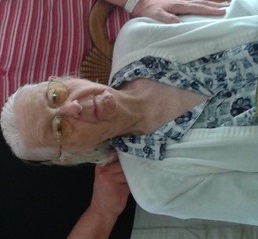
Early life and education
Quarterman was born in Valdosta, Georgia, and raised in the American South. She earned a B.A. from Georgia State Women’s College (now Valdosta State University) in 1932 and an M.A. in botany from Duke University in 1943. Her undergraduate and graduate training provided the botanical foundation for decades of ecological fieldwork and teaching. Local biographical and archival materials note her ties to Valdosta and to regional botanical collections.
Research on cedar glades
Cedar glades are open, rocky habitats found on shallow soils over limestone or dolomite, often surrounded by forest. They experience extreme seasonal moisture variation and support drought‑tolerant and specialist plants. Quarterman devoted much of her career to documenting the distribution, species composition and community differences of Tennessee cedar glades. Her surveys helped distinguish glade subtypes and map where endemic and rare species occur, including attention to plants such as the Tennessee coneflower (Echinacea tennesseensis).
Methods, teaching and collaboration
Quarterman combined systematic field sampling, vegetation description and comparative analysis to define glade boundaries and plant associations. She supervised students, collaborated with botanists and worked with conservation organizations to translate scientific findings into management recommendations. Through classroom instruction and mentorship she trained generations of ecologists who continued research on plant communities and habitat conservation.
Conservation impact and legacy
By documenting species lists, distribution patterns and habitat requirements, Quarterman provided a scientific basis for recognizing cedar glades as distinct ecological units worthy of protection. Her research informed efforts to conserve glade endemics and to include glades in regional conservation planning. Protected glade sites, herbarium specimens collected during her career, and the work of former students are part of her legacy.
Further resources
Readers interested in the ecology and conservation of these habitats can consult summaries of Tennessee cedar glades and regional conservation accounts at Tennessee cedar glades. Biographical and archival material related to Quarterman’s life and academic career may be found in regional university and historical collections.
Related articles
Author
AlegsaOnline.com Elsie Quarterman: American plant ecologist and cedar glade researcher Leandro Alegsa
URL: https://en.alegsaonline.com/art/31030
Sources
- news.vanderbilt.edu : "Elsie Quarterman, who rediscovered Tennessee coneflower, dies at 103"