
Elsie Tu: Hong Kong social activist and longtime public servant
Elsie Tu (1913–2015) was an English-born Hong Kong social activist and elected official, remembered for campaigning for the poor, opposing corruption and for a long career in municipal and legislative bodies.
Elsie Tu (née Hume; 2 June 1913 – 8 December 2015) was an English-born Hong Kong social campaigner and public official. Her Chinese name is shown in public records as 杜葉錫恩. Over many decades she combined street-level advocacy with elected office, becoming a prominent and sometimes divisive figure in the territory’s public life. She received honours in both British and Hong Kong systems during her lifetime.
Image gallery
2 Images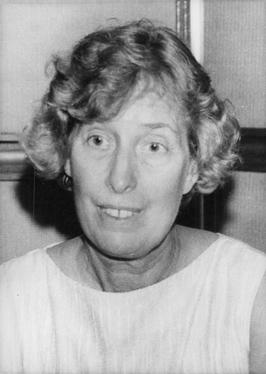

Early life and arrival in Hong Kong
Born in Newcastle upon Tyne, England, Elsie Hume trained and worked in a range of social and missionary contexts before settling in Hong Kong as an adult. Sources note her English origins and later life in the territory; biographical references often identify her as born in Newcastle. Her early experiences shaped a lifelong interest in social welfare, education and the conditions of the urban poor.
Public roles and campaigns
Tu won public office in municipal bodies and later served in the territory’s legislature. She is best known as an elected member of the Urban Council and as a member of the Legislative Council, roles in which she pressed for improvements in housing, health services and local amenities. Her style combined direct contact with residents and outspoken speeches in council chambers. She often focused on practical issues affecting everyday life.
- Advocated for housing and sanitation improvements.
- Raised concerns about slum conditions and refugee settlements.
- Pushed for more accountable and transparent local services.
Anti-corruption and stance on colonial governance
Throughout her career Tu campaigned against corruption and what she saw as unfair colonial practices. Her public criticism of entrenched interests and administrative shortcomings helped build wider attention to corruption issues in Hong Kong. Observers credit a range of civic campaigns, including hers, with increasing pressure for institutional reform and stronger anti-corruption measures. She was also known for her opposition to certain colonial policies and for arguing that local voices needed greater influence in governance; these positions are part of why she attracted both strong supporters and determined critics. See accounts that discuss her opposition to colonialism via related commentary.
Later life, honours and legacy
Tu’s long public career earned formal recognition, including honours awarded in the British and Hong Kong systems. She remained active into advanced age and is remembered as a tireless advocate for the disadvantaged. In later years her political positions evolved and at times she voiced support for closer relations with mainland institutions, a stance that divided opinion among Hong Kong’s civil society and activist communities. Her life is often cited in discussions of civic engagement, municipal politics and the development of anti-corruption norms in postwar Hong Kong. For summaries of her background and identity as an English-born activist who became a Hong Kong public figure, consult biographical links and contemporary reports.
For further reading on Tu’s public career and the municipal bodies she served on, see contemporary reports and archival material linked in civic histories; many online and print sources document her campaigns as an Urban Council member and public advocate.
Related articles
Author
AlegsaOnline.com Elsie Tu: Hong Kong social activist and longtime public servant Leandro Alegsa
URL: https://en.alegsaonline.com/art/31031
Sources
- articles.latimes.com : Fighting for the Underdog, or Selling Out to Beijing?