
Elie Wiesel: Writer, Holocaust Survivor, and Nobel Peace Prize Laureate
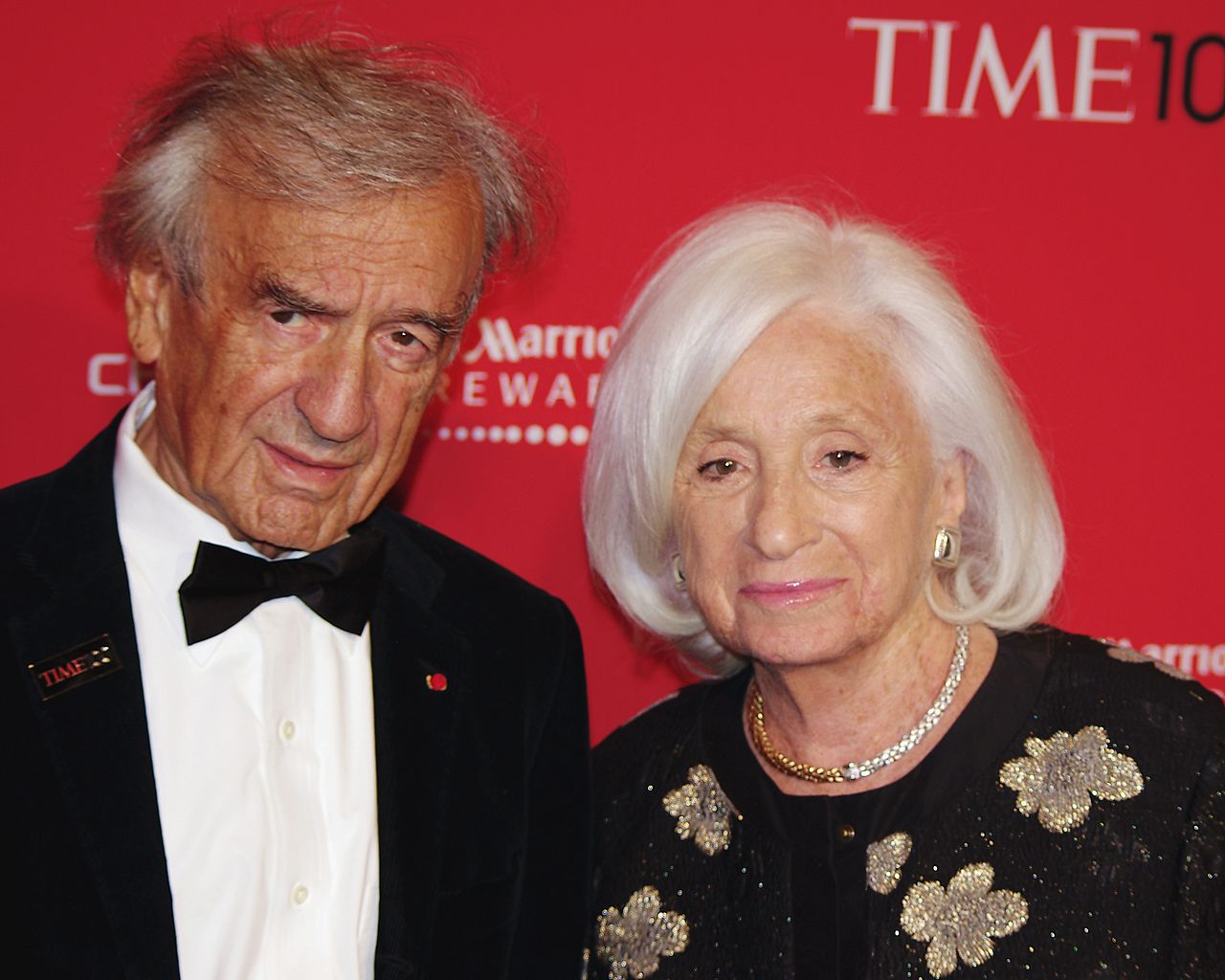
Elie Wiesel (1928–2016) was a Romanian-born American Jewish writer, Holocaust survivor, teacher and activist. Best known for the memoir Night, he won the 1986 Nobel Peace Prize for his work on memory and human dignity.
Overview — Elie Wiesel (Eliezer Wiesel) was born on September 30, 1928, in Sighet, then part of Romania. He became widely known as a writer, teacher and public voice on the Holocaust and human rights. A survivor of the Nazi death camps, Wiesel channeled his experience into a long literary and public career that shaped postwar remembrance and moral debate.
Early life and wartime experience — Raised in a devout Jewish family, Wiesel and his community were deported during World War II. He was imprisoned in camps including Auschwitz and later transferred to Buchenwald, where his mother and younger sister died. After liberation he spent time in displaced persons camps and eventually emigrated to Palestine and later to the United States. His origins as a Romanian-born Jew and his adopted life as an American shaped his bilingual literary output.
Major works and themes — Wiesel’s best-known book, Night, is a concise, haunting memoir of his camp experiences. Across many other books—fiction, essays and testimony—he explored memory, faith, silence, and the ethical duty to remember atrocity. His prose alternates personal testimony with philosophical reflection, asking how suffering affects belief and responsibility.
Image gallery
8 Images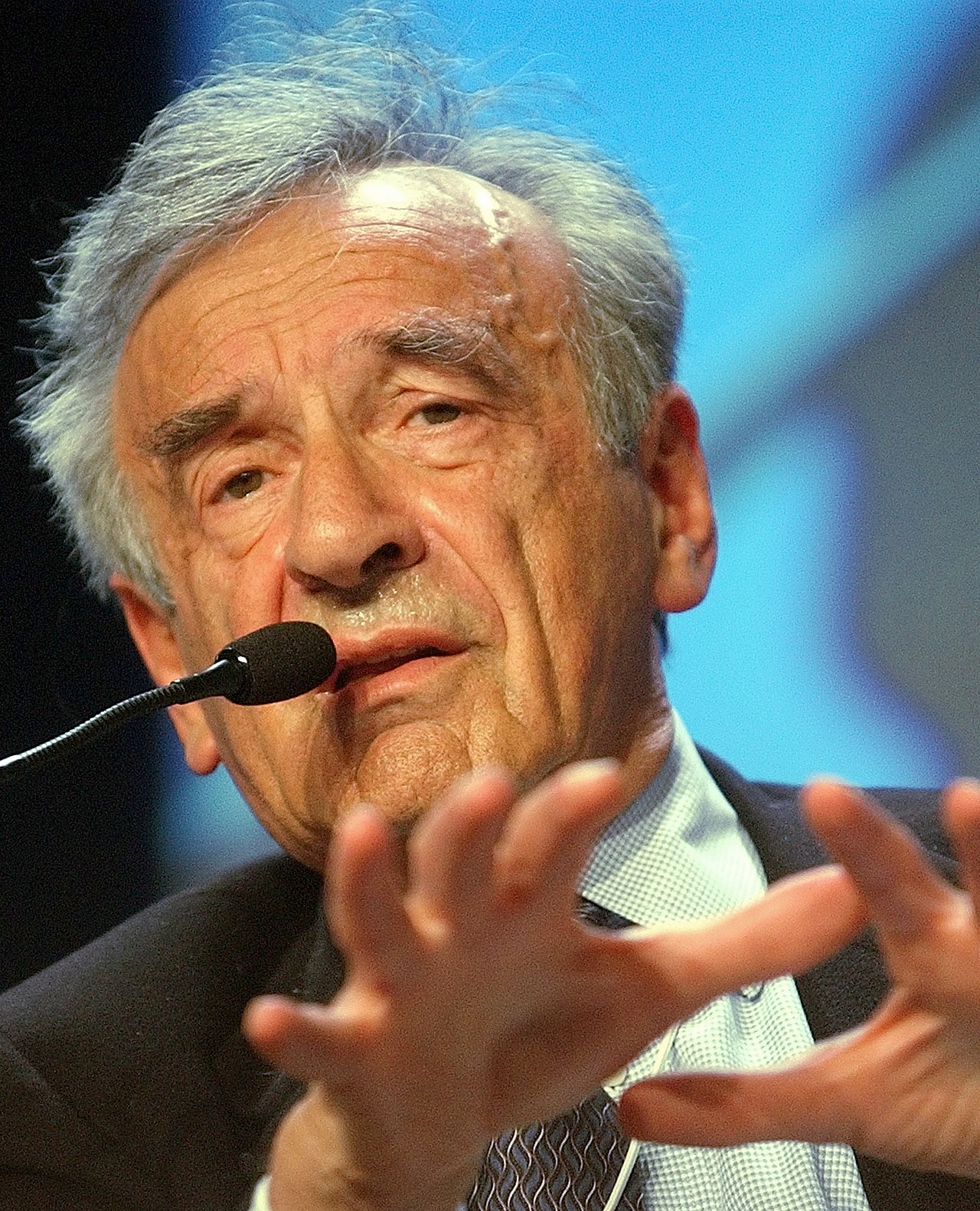




Career, teaching and public engagement
Beyond writing, Wiesel was an educator and lecturer. He taught and held positions at institutions including Boston University, where he influenced generations of students. He was also an outspoken advocate on behalf of Holocaust remembrance and for victims of persecution worldwide, often urging political leaders to confront genocide and mass violence.
Awards and legacy
Wiesel received numerous honors, most notably the 1986 Nobel Peace Prize, awarded for his message of "peace, atonement and human dignity" and for giving voice to the victims of mass murder. His work contributed to the global effort to keep Holocaust memory alive and to promote human rights education. Institutions, museums and educational programs continue to cite his writings and testimony.
Notable facts
- His literary output includes testimony, novels and essays that confront moral questions raised by the Holocaust.
- He worked publicly to support remembrance initiatives and to warn against indifference to persecution.
- Wiesel died on July 2, 2016, at his home in Manhattan, leaving a wide legacy in literature and human rights advocacy.
For further reading on his life and writings, see curated resources and archival collections that collect his papers and interviews (concentration camps references and primary-source testimony) and institutional biographies (Romanian and American perspectives). Additional materials and profiles can be found through major educational and memorial organizations (Night study guides, archival projects at university centers, and museum exhibits) that preserve survivor testimony and promote ongoing discussion of moral responsibility.
Related articles
Author
AlegsaOnline.com Elie Wiesel: Writer, Holocaust Survivor, and Nobel Peace Prize Laureate Leandro Alegsa
URL: https://en.alegsaonline.com/art/30826
Sources
- teachingbooks.net : "TeachingBooks.net Audio Name Pronunciation - Elie Wiesel"
- britannica.com : "Elie Wiesel - Biography, Books, Nobel Prize, & Facts"
- nobelprize.org : "1986 Nobel Peace Prize Press Release"
- theguardian.com : "Elie Wiesel, Nobel winner and Holocaust survivor, dies aged 87"
- haaretz.com : "Elie Wiesel, Nobel Peace Prize laureate and renowned Holocaust survivor, dies at 87"