
Elephant and Castle: district, junction and transport hub in South London
Elephant and Castle is a major road junction and surrounding district in the London Borough of Southwark, noted for its transport links, post‑war redevelopment and recent regeneration.
Overview
Elephant and Castle is best known as a busy road junction and the name of the surrounding district in the London Borough of Southwark. The term commonly denotes both the busy intersection itself and a wider neighbourhood in inner south London, close to the boundary of central London. It functions as a local commercial centre and a node for buses, the Underground and surface rail services.
Image gallery
10 Images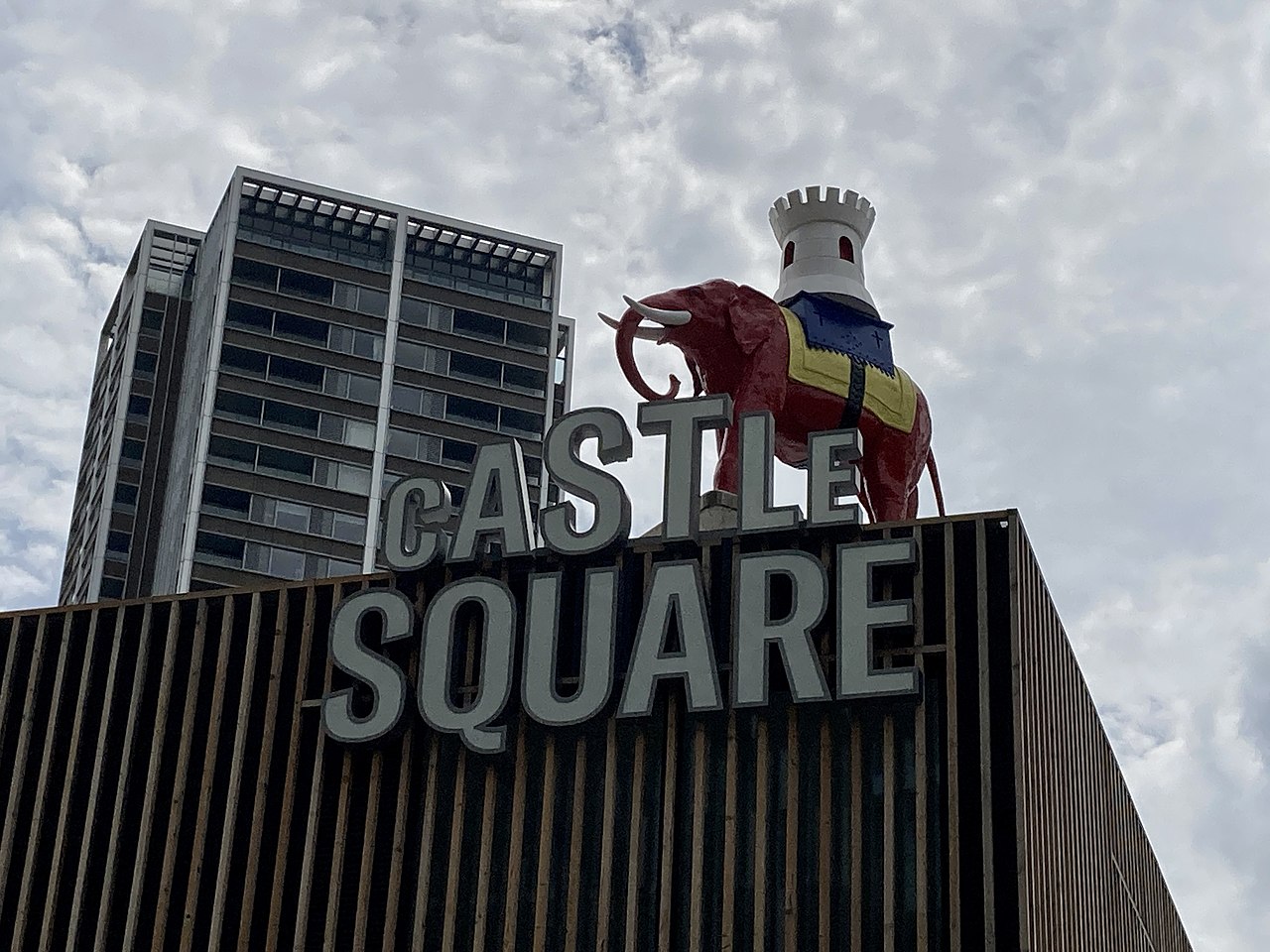


Name and character
The place-name comes from a historic coaching inn sign, "The Elephant and Castle," which for centuries served as a local landmark. Exact explanations for the sign's origin vary; it has been associated with trade in ivory and with medieval heraldry, but the name's survival is chiefly the result of continuity of local use rather than a single, uncontested origin story. The area has an urban character shaped by Victorian streets, substantial post‑war rebuilding and more recent mixed‑use developments.
Transport and urban form
Elephant and Castle is a transport interchange that connects several modes. It is an important point for commuters and local travellers because of:
- Underground services: the Bakerloo and Northern lines at Elephant & Castle tube station.
- National rail and suburban train services at the nearby railway station.
- An extensive network of bus routes serving central London and south London suburbs.
The road junction itself historically included a large roundabout and flyover; in recent years the public realm and road layout have been altered to improve pedestrian access and create new public spaces.
History and redevelopment
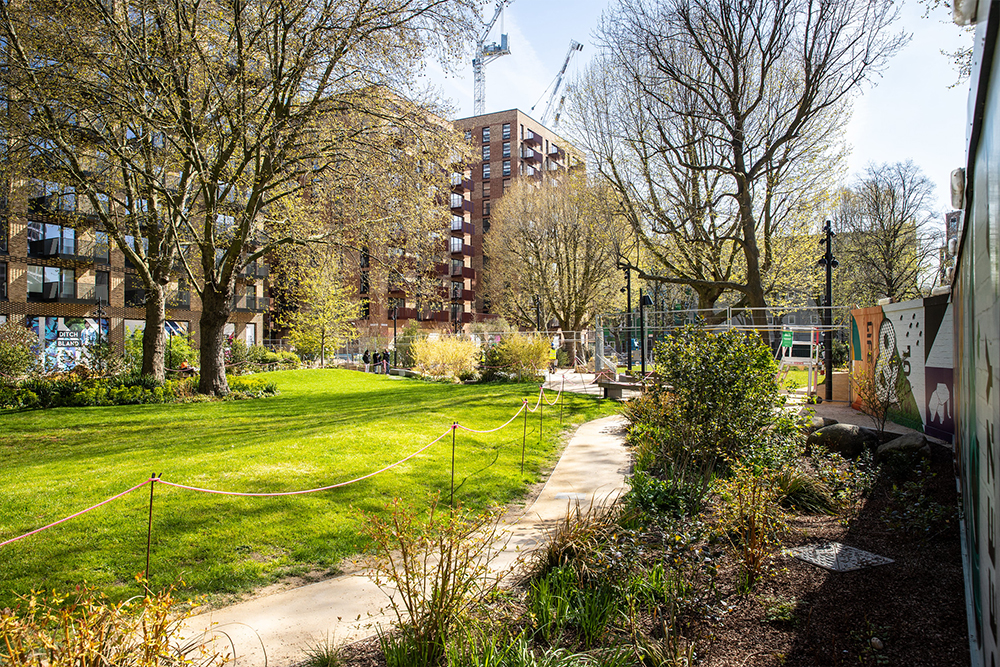
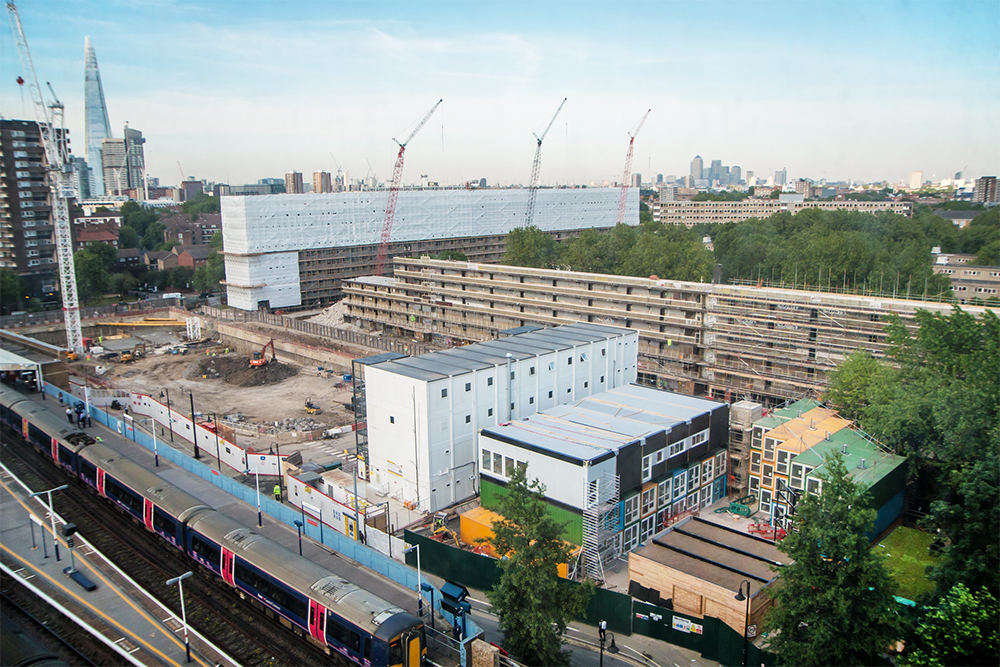
Once a medieval crossroads north of the countryside, the locality grew during the 19th century as London expanded. Much of the centre was redeveloped after the Second World War, producing examples of mid‑20th century commercial architecture, including the 1960s shopping centre that became a familiar landmark. From the late 20th century into the 21st century the area has been the subject of major regeneration schemes that replaced older buildings with new housing, shops and public open spaces, and that sparked public discussion about heritage, affordable housing and community change.
Uses, culture and notable facts
Elephant and Castle serves as a shopping and service centre for nearby residential neighbourhoods. It is home to institutions, small businesses and a diverse population, with visible Latin American and other communities in local shops and eateries. The name appears frequently in maps, transport maps and cultural references to south London life. For practical information about road access and local services see a transport or local authority source such as the page for the road junction or the borough pages for England.
Related articles
Author
AlegsaOnline.com Elephant and Castle: district, junction and transport hub in South London Leandro Alegsa
URL: https://en.alegsaonline.com/art/30781