
Elgin, Moray: cathedral town and Royal Burgh in northeast Scotland
Elgin is a historic cathedral town and former Royal Burgh in Moray, northeast Scotland, known for its ruined cathedral, medieval history, and role as a local administrative and market centre.
Elgin is a historic town in the council area of Moray, in northeastern Scotland. Its Scottish Gaelic name is Eilginn. Positioned above the floodplain of the River Lossie, Elgin developed on higher ground to the south of the river and served as an important regional centre from the medieval period onward. It is recorded in the Cartulary of Moray in the late 12th century and grew as a market, ecclesiastical seat and royal burgh.
Image gallery
10 Images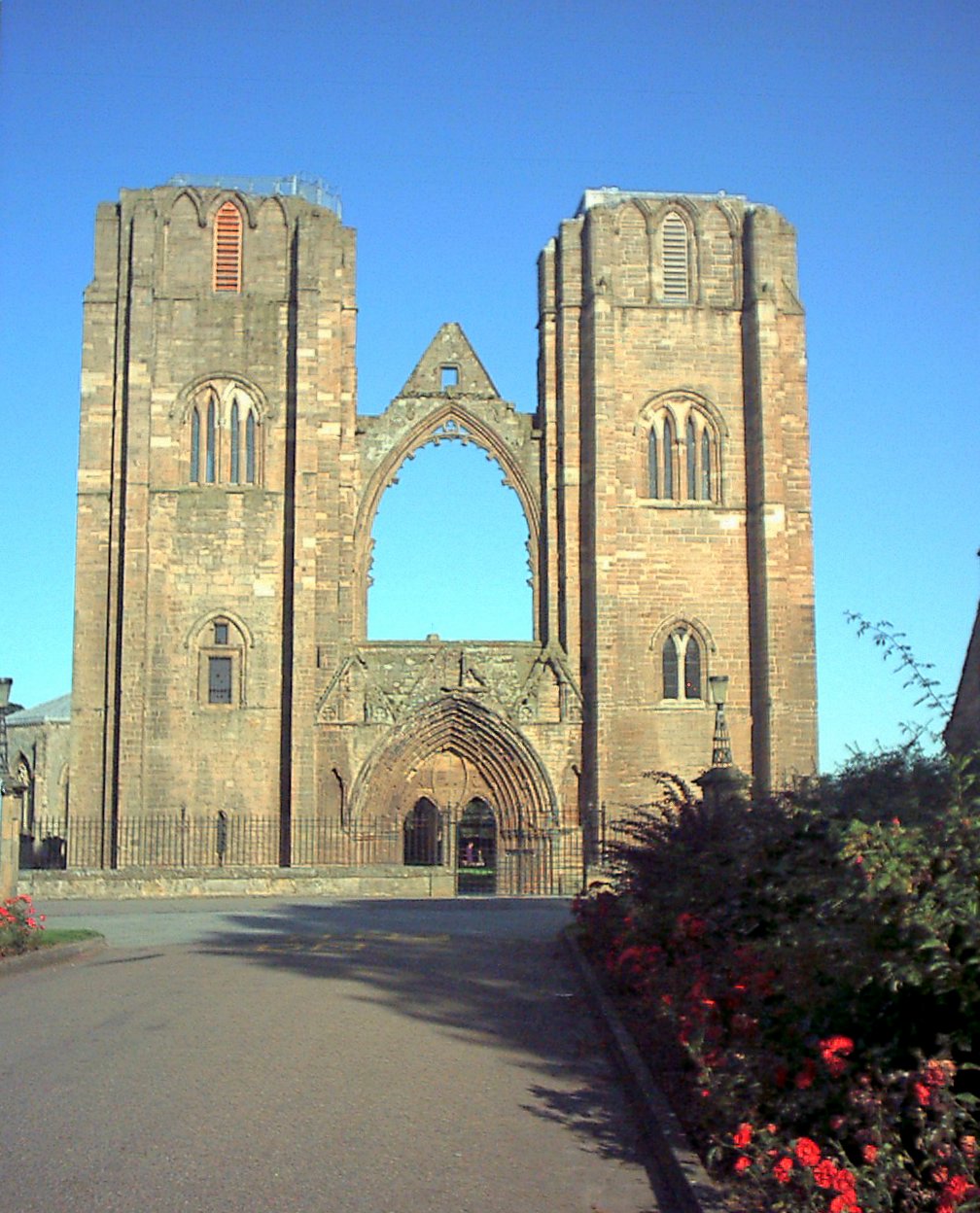



Historical overview
The town's early history is intertwined with Scotland's turbulent medieval era. Nearby fighting included a battle in August 1040 at Bothganowan (Pitgaveny), where the forces of Macbeth met those of King Duncan I, an event often noted in chronicles of the period and local tradition. In the 12th century, King David I elevated Elgin to the status of a royal burgh, enabling it to hold markets and fairs and to attract trade. Around the same era a castle stood atop what is now Lady Hill, marking Elgin's strategic importance.
Elgin Cathedral became the town's best-known monument. Founded as a bishopric seat, the cathedral later acquired the epithet "Lantern of the North" for its prominence. It suffered major damage in the late 14th century during a raid commonly associated with Alexander Stewart, the Earl of Buchan, and much of the structure remains as atmospheric ruins that testify to the town's medieval significance. The castle and other ecclesiastical buildings also influenced Elgin's layout through the centuries.
Development and later history
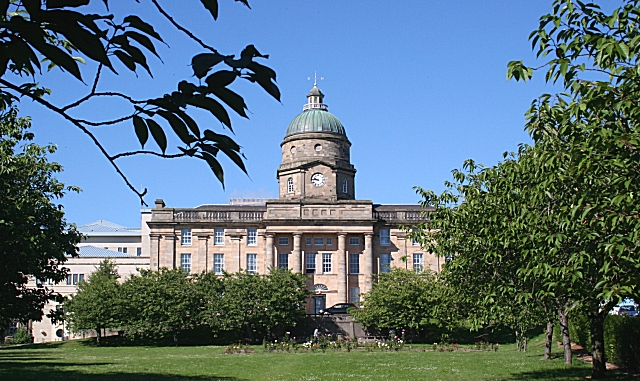
Elgin continued to attract royal visitors and political attention; the English king Edward I is recorded as having visited the town in the late 13th century. Over subsequent centuries Elgin evolved from a medieval town into a regional market and service centre. Large-scale redevelopment during the 19th century transformed parts of the old town: many medieval streets and buildings were replaced or reconfigured, and new civic architecture and public amenities were added, reflecting industrial-era growth and changing tastes.
Character, economy and cultural life
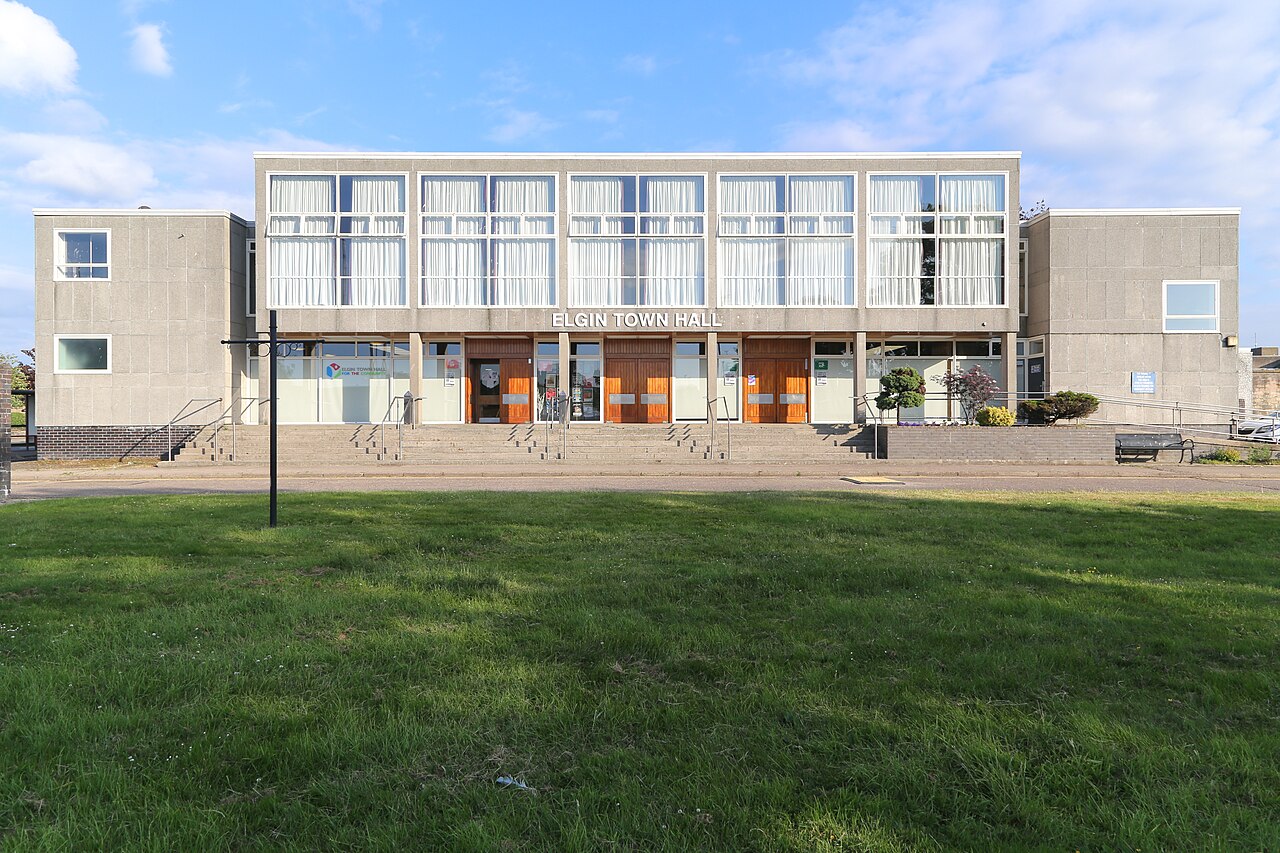
Today Elgin functions as an administrative and commercial hub for Moray. Its economy draws on agriculture from the surrounding countryside, nearby distilling and associated tourism related to the region's whisky industry, retail and public services. The town hosts markets and community events and acts as a gateway for visitors exploring the Moray coastline and the Moray Firth, a short distance to the north.
Notable places and facts
- Elgin Cathedral: the ruined medieval cathedral remains the town's principal historic attraction and conservation focus; visitors can explore the site and learn about its medieval bishops and architecture. See also the historic Bishop's Palace area near the cathedral (Cathedral and precinct).
- Medieval heritage: the town's recorded history stretches back in documents to the 12th century and earlier events in the region are part of national narratives about kings such as Macbeth (Macbeth) and Duncan.
- Royal burgh status: granted under the reforms of David I, this status shaped Elgin's role as a market centre through the later Middle Ages and beyond.
- 19th-century remodelling: much of the medieval street pattern was altered in the 1800s as the town modernised and added Victorian public buildings and housing.
Elgin's combination of ruined medieval grandeur and active contemporary life makes it representative of many Scottish provincial centres where history and modern community functions coexist. For travelers and local residents alike, the town offers access to distinctive historic sites, regional food and drink traditions, and the wider landscapes of Moray and northern Scotland.
Further reading and visitor information can be sought from local archives and tourism organisations that specialise in northeastern Scotland and ecclesiastical heritage. Key historical figures associated with Elgin—including David I, Macbeth, and visiting monarchs such as Edward I—illustrate how the town has been linked to wider Scottish history over many centuries.
Questions and answers
Q: What is Elgin?
A: Elgin is an old cathedral city and Royal Burgh located in Moray, Scotland.
Q: When was Elgin first documented?
A: Elgin was first documented in the Cartulary of Moray in 1190.
Q: What significant event happened near Elgin in 1040?
A: In 1040, Macbeth's army defeated Duncan I at Bothganowan (Pitgaveny), which was near Elgin.
Q: Who made Elgin a royal burgh, and when?
A: Elgin was made into a royal burgh by David I in around 1130, after his defeat of Óengus of Moray.
Q: When did Edward I of England visit Elgin, and what was his impression of the place?
A: Edward I of England traveled twice to Elgin, and during his first visit in 1296 he was impressed by what he saw.
Q: What happened to the old medieval town of Elgin in the 19th century?
A: In the 19th century, the old medieval town of Elgin was destroyed and many new buildings were added to the town centre.
Q: What is the significance of Lady Hill in Elgin?
A: Lady Hill is the location where a castle was built during the reign of David I, which is now at the top of Lady Hill.
Related articles
Author
AlegsaOnline.com Elgin, Moray: cathedral town and Royal Burgh in northeast Scotland Leandro Alegsa
URL: https://en.alegsaonline.com/art/30812