
Elephantine Island — historic Nile island at Aswan, Egypt
Elephantine is a small, inhabited island in the Nile at Aswan with ancient temples, a Nilometer, museum and botanical garden. It has been settled since pharaonic times and yields key archaeological finds.
Overview
Elephantine is a compact island in the River Nile that forms part of the city of Aswan in Egypt. The island sits just below the first cataract and has been occupied since prehistoric and pharaonic times. Its Greek name, Elephantine, reflects later Classical usage and ancient associations with ivory and the regional trade that once brought elephants and elephant products through Upper Egypt.
Image gallery
10 Images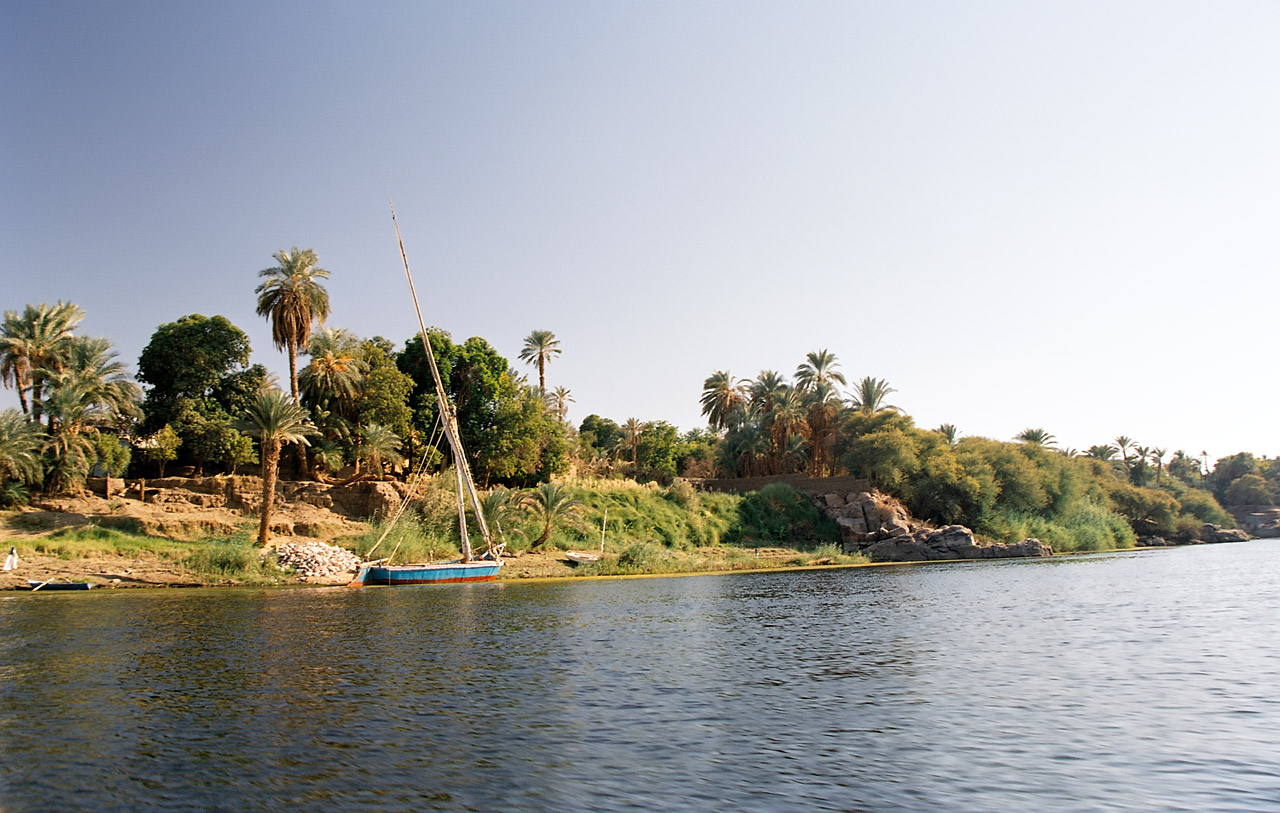




Geography and landscape
Roughly 1,200 metres by 400 metres, Elephantine is notable for its rocky banks, Nile-facing quays and proximity to the mainland quarries that supplied hard stone widely used in Egyptian monuments. The island's position made it a natural choke point for river traffic and a convenient place for monitoring and controlling trade and transport along the Nile.
History and archaeology
Archaeological work on Elephantine has revealed layers of occupation from early settlements through the Pharaonic, Persian, Hellenistic and Roman periods into medieval and modern times. Excavations have recovered domestic architecture, administrative documents, stelae and cultic installations. These remains help scholars reconstruct Nile-border relations between Egypt and Nubia as well as daily life in an important frontier town.
Elephantine papyri and the Jewish colony
Among the island's most important discoveries are documentary archives often referred to as the Elephantine papyri. These texts, dating principally to the first millennium BCE, include legal contracts, letters and petitions that shed light on community organisation, religious practice and contacts with Persian authorities. Archaeological and textual evidence also attests to the presence, at certain periods, of a diverse population that included a Jewish military colony and other foreign residents.
Temples, monuments and the Nilometer
Key religious sites on Elephantine include temples dedicated to deities such as Khnum and Satet, reflecting the island's longstanding cultic role linked to fertility and the Nile flood. The island preserves traces of temple architecture, cult statues and offering areas. A Nilometer and associated quays record how communities measured and reacted to the annual inundation, a fundamental element of Nile-centered agriculture and administration.
Botanical garden and natural features
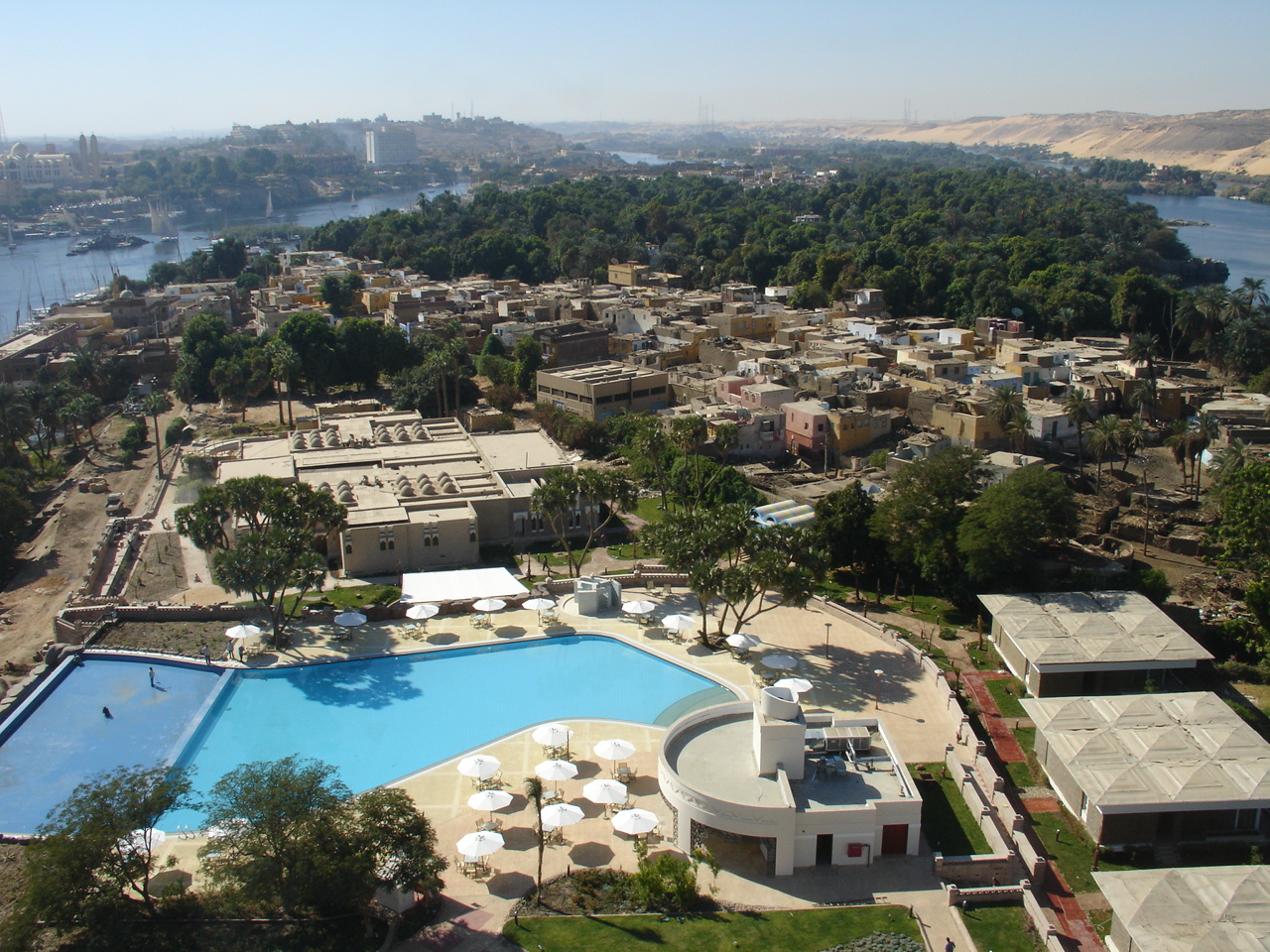
Elephantine features a cultivated botanical area that is often noted for its collection of date and other botanical specimens, including multiple species of palm trees. The island's gardens and riverine vegetation are part of its modern character and contribute to its appeal for visitors and researchers interested in historical landscapes.
Museum, tourism and access
A small local museum and on-site displays present artefacts recovered from excavations and explain the island's long history. Visitors can reach Elephantine by short boat crossings from Aswan and explore its ruins, gardens and museum. Guide information and signage vary, and conservation projects periodically restrict access to fragile areas.
Conservation, research and significance
Elephantine remains both a living community and an active archaeological zone. Ongoing research by regional and international teams continues to refine understanding of the site's chronology and social dynamics. Conservation efforts focus on protecting masonry remains, papyrus and pottery finds, and the island's landscape against environmental and human pressures. For contextual maps and further reading consult sources on the River Nile, the city of Aswan and broader surveys of Egypt and its ancient frontiers.
Further resources
General introductions and travel guides describe Elephantine's visible ruins, while specialised publications discuss the ancient Egyptian evidence from the island. Local botanical and heritage offices provide information about the botanical collections and the significance of native palm trees in the Nile landscape.
Questions and answers
Q: Where is Elephantine located?
A: Elephantine is an island located in the River Nile, which is a part of the city of Aswan, Egypt.
Q: How big is Elephantine Island?
A: Elephantine Island is about 1,200 metres by 400 metres in size.
Q: How long have people been living on Elephantine Island?
A: People have been living on Elephantine Island since Ancient Egyptian times.
Q: What can be found on Elephantine Island today?
A: Today, Elephantine Island has a number of ruins as well as a botanical garden with a large collection of palm trees.
Q: What kind of flora can be found in the botanical garden on Elephantine Island?
A: The botanical garden on Elephantine Island has a large collection of palm trees.
Q: What is the significance of Elephantine Island in Ancient Egyptian times?
A: In Ancient Egyptian times, Elephantine Island was an important trading center due to its location on the Nile River.
Q: What is the cultural significance of Elephantine Island today?
A: Today, Elephantine Island is a popular tourist destination due to its historical significance and the remnants of ancient civilizations that can be found there.
Related articles
Author
AlegsaOnline.com Elephantine Island — historic Nile island at Aswan, Egypt Leandro Alegsa
URL: https://en.alegsaonline.com/art/30787