
Electric piano
An electric piano is an electro‑mechanical keyboard instrument that produces sound by mechanically vibrating elements and converting those vibrations to electrical signals for amplification and recording.
Overview
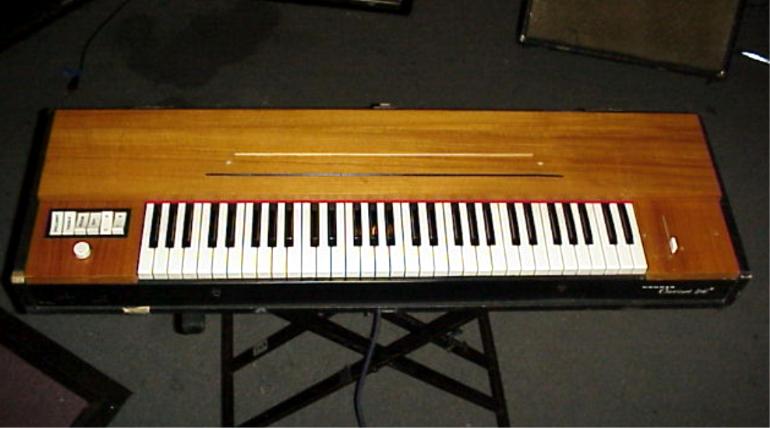
An electric piano is an electro‑mechanical musical instrument in which physical components are struck or plucked to create acoustic vibrations that are then converted into an electrical output. Unlike purely electronic keyboards, its initial sound source is mechanical rather than synthesized.
Image gallery
10 Images




How it works
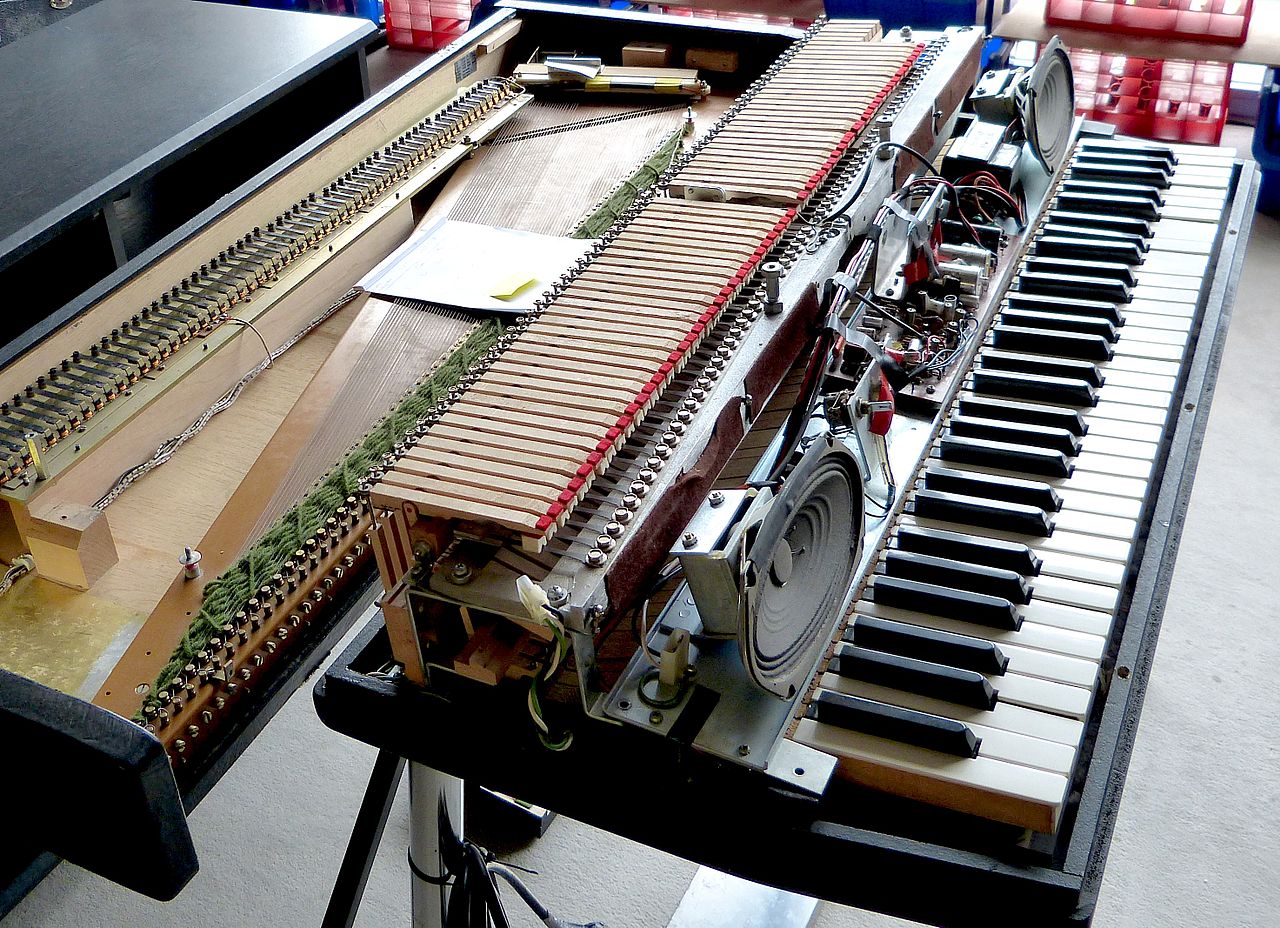
Inside an electric piano a hammer or similar action strikes metal tines, reeds, or small strings. Those mechanical vibrations produce a characteristic tone that depends on the vibrating material and the action. The resulting motion is sensed by pickup devices and sent on as an electronic signal.
Pickups and signal chain
Pickups transform the mechanical movement into an electrical signal which can be routed to amplifiers, effect units, a mixing console or recording equipment. Different pickup types and preamplifiers influence tone and noise level; the signal may be processed further before final output or recording.
History and notable types
Electro‑mechanical pianos became widely used in popular music during the mid‑20th century. Well‑known models include instruments that use tines or reeds and are associated with jazz, rock and pop recordings. Their distinctive timbres made them alternatives to acoustic grand pianos on stage and in studios.
Uses and distinctions
Electric pianos are commonly heard in live performance and studio contexts because they are more portable and easier to amplify than acoustic pianos. They differ from digital pianos (which generate sound electronically) and from standard electronic keyboards in that the initial sound production remains mechanical. Many players value the tactile action and specific tonal colors of electro‑mechanical designs.
Modern developments and care
Contemporary stage instruments include both classic electro‑mechanical models and digital emulations that aim to reproduce their character. Maintenance for true electro‑mechanical instruments involves tuning, pickup adjustment and occasional mechanical servicing. For live use see recommended setup and amplification advice for performance.
- Further reading: instrument mechanics and sound design — details on components
- Resources for players and technicians — recording and output
Related articles
Author
AlegsaOnline.com Electric piano Leandro Alegsa
URL: https://en.alegsaonline.com/art/30681