
Egyptian calendar — the ancient civil year and its development
Overview of the ancient Egyptian civil calendar: its 12×30-day structure, five epagomenal days, links to the Nile and Sirius, the Sothic cycle, Ptolemaic proposals and Roman reform, and its legacy in the Coptic calendar.
Overview
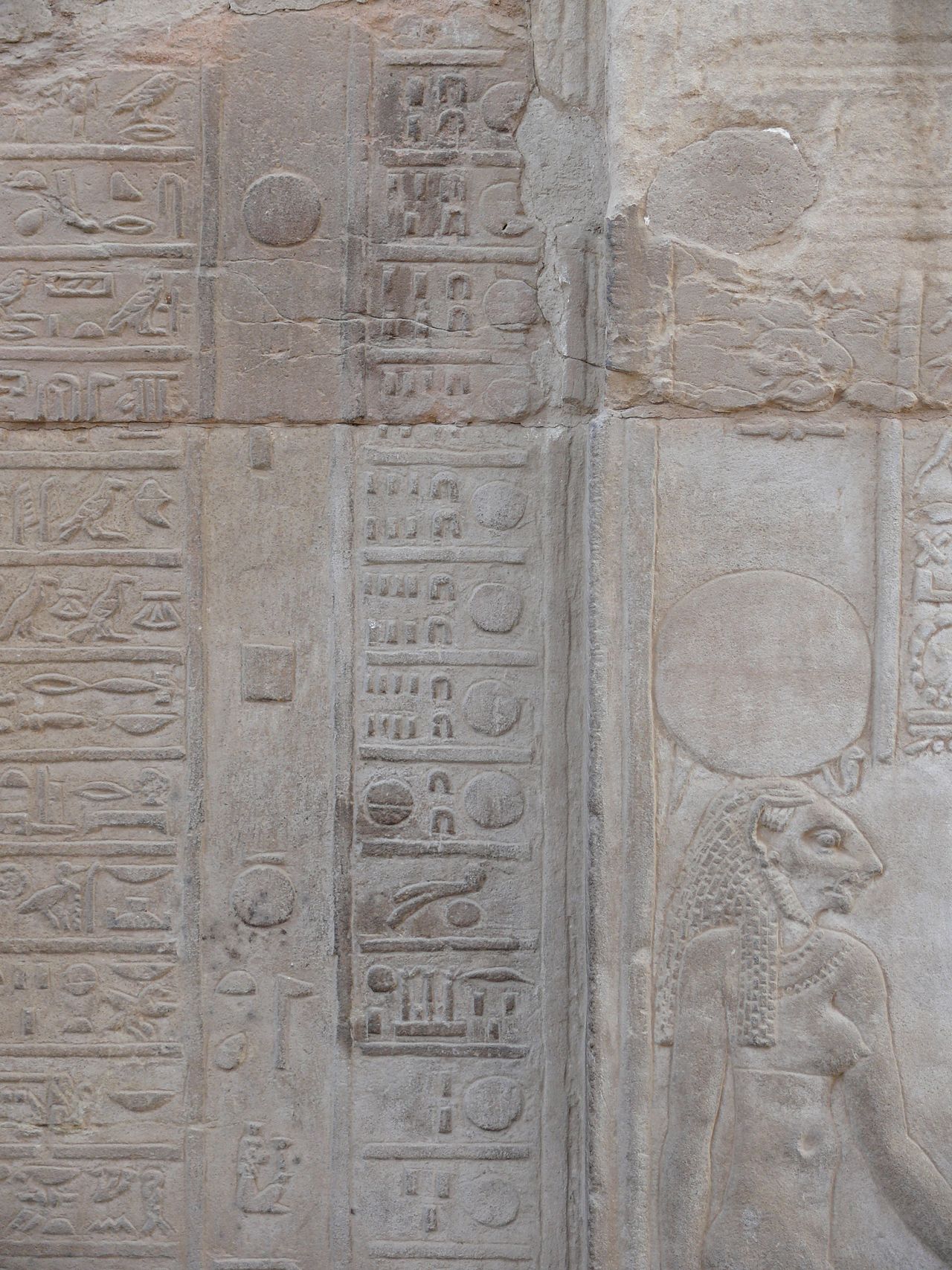
The ancient civil Egyptian calendar was a practical, administrative system used to schedule taxation, agriculture and official records. Unlike purely lunar ritual calendars, the civil calendar had a fixed length and was intended to simplify administration across a largely agrarian society. It coexisted with religious and lunar timetables and informed the timing of many festivals and public obligations.
Image gallery
9 Images





Structure and principal features
The civil year comprised twelve months of thirty days each, plus five additional intercalary days appended at the end of the year. These five "epagomenal" days were treated as distinct from the months and marked by special observances. Because of this arrangement the year had a total of 365 days and was commonly described in terms of its regular blocks rather than by reference to lunar phases.
- 12 months × 30 days = 360 days
- + 5 epagomenal days = 365 civil days
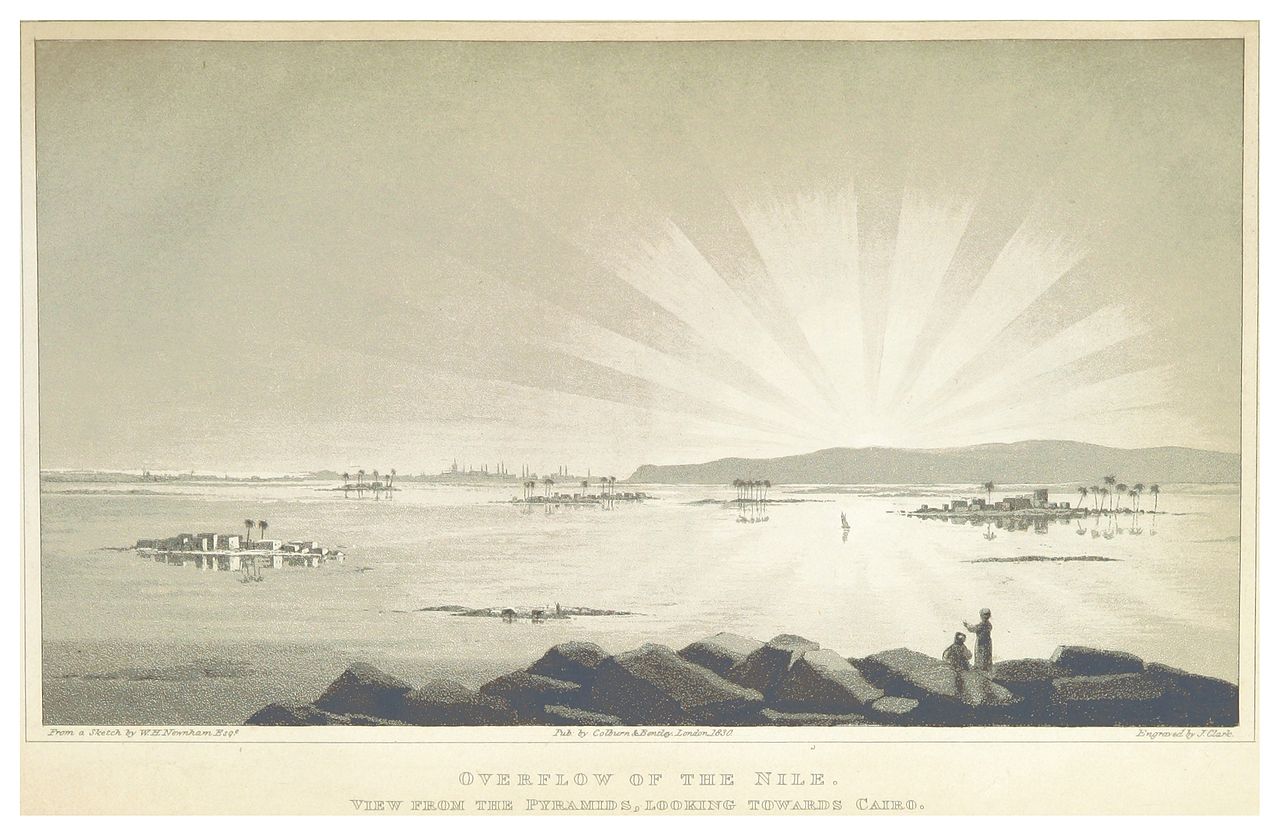
- Three seasons tied to the Nile agricultural cycle: inundation (Akhet), growth (Peret) and harvest (Shemu)
Origins and astronomical connections
Scholars believe the five-day supplement was added early in Egyptian state formation, likely during or before the period of the First Dynasty. Egyptian astronomers and priests observed a close connection between the annual rise of the Nile and the heliacal rising of the star Sirius. The first pre-dawn sighting, often called the first visibility, occurred shortly before sunrise and was used as a predictable seasonal marker. That relation between star and river reinforced religious calendars and agricultural planning, even though the civil count itself did not include intercalation to keep perfect solar alignment.
Drift and the Sothic cycle
Because the civil year lacked a leap day it fell short of the true solar year by about a quarter of a day. Consequently the civil calendar shifted by one day every four years relative to the solar seasons. Over many centuries this produced a full cycle of shift, commonly referred to by historians as the Sothic cycle, of roughly fourteen hundred sixty years, after which civil dates returned to their original relation with stellar and seasonal markers.
Attempts at reform
During the Hellenistic period there were explicit proposals to correct the civil year's drift. The Ptolemaic Decree known as the Decree of Canopus recommended adding a sixth epagomenal day every four years, a step that would have produced a leap-day rule similar to later systems. Contemporary sources indicate this proposal met resistance and was not consistently adopted by Egyptian administration at the time.
Roman adjustment and legacy
When Egypt entered the Roman sphere, imperial authorities acted to regularize the calendar. The Roman emperor Augustus endorsed measures that effectively added a leap day on a four-year cycle so that the civil year would align more closely with the Julian calendar then used in Rome. This brought Egyptian civil dates nearer to the solar year and simplified synchronization between Egyptian administration and Roman provincial practice.
Uses, distinctions and historical importance
Throughout its long history the civil calendar remained central to fiscal records, legal documents and agricultural scheduling. Religious ceremonies continued to use lunar and ritual reckonings, so the same civil date could correspond to different ritual seasons in different centuries as the calendar drifted. Modern historians and archaeologists rely on references to astronomical events and calendar notations in inscriptions to correlate Egyptian dates with absolute chronologies. For introductions to these topics see general discussions of the calendar, studies of the Nile flood, and materials on how ancient Egyptians kept time.
Elements of the ancient civil system survive in the year structure of the Coptic-era ecclesiastical calendar, which continues the practice of twelve 30-day months plus an intercalary month of five or six days in leap years. The Egyptian example demonstrates how observation, religious tradition and administrative necessity combined to produce a practical, long-lived calendar system that influenced successor cultures and aids modern reconstruction of ancient chronology.
Further reading and reference materials are available on calendar history and astronomical dating, including modern introductions to the Sothic cycle and the history of Egyptian timekeeping. For background on the political context of later adjustments see scholarship on Ptolemaic reform and Roman provincial policy under Augustus.
Related articles
Author
AlegsaOnline.com Egyptian calendar — the ancient civil year and its development Leandro Alegsa
URL: https://en.alegsaonline.com/art/30409
Sources
- ortelius.de : "The Egyptian Calendar"