
Effect pedal
A compact electronic device used by musicians to alter an instrument or voice signal. Effect pedals create sounds such as distortion, delay, chorus, wah and reverb and are arranged into pedalboards for live and studio use.
Overview
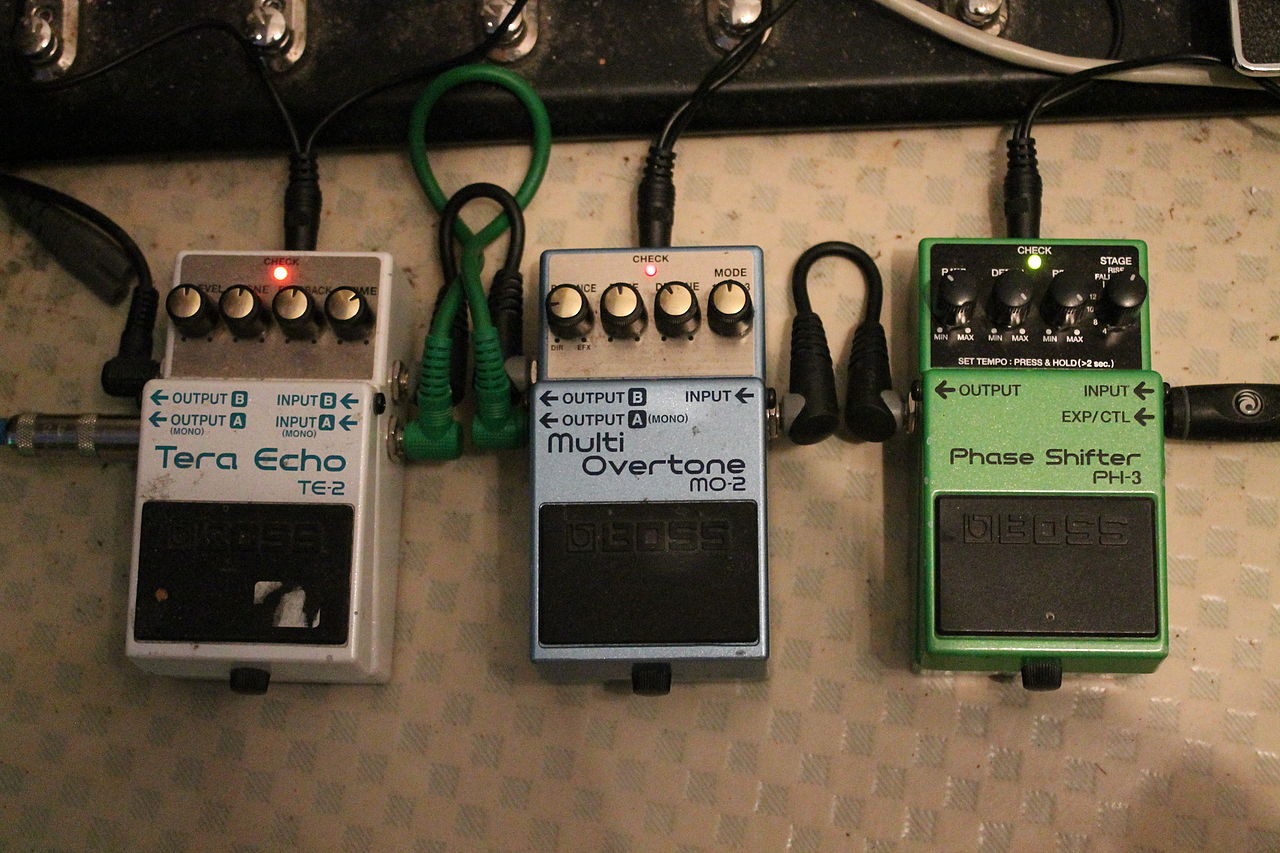
An effect pedal is a small electronic device that modifies the tone, dynamics or time-based character of an instrument or an audio signal such as the human voice. Pedals are designed to sit on the floor and be operated by the player, producing changes ranging from subtle coloration to extreme transformations. Common single-pedal sounds include echo, modulation, filtering and overdrive.
Image gallery
10 Images




Common types
Manufacturers make many varieties of pedals; some of the principal categories are:
- Distortion/Overdrive/Fuzz — gain-stage effects that add harmonic saturation and sustain; often grouped under distortion.
- Time-based — delays and echo devices and reverbs that repeat or simulate acoustic space.
- Modulation — chorus, flanger and phaser effects that shift phase or pitch to thicken or sweep the sound.
- Dynamics and pitch — compressors, boosts, pitch shifters and octavers.
- Filters and expression — wah-wah and envelope filters, sometimes controlled by an expression pedal.
Components and controls
Inside a pedal you will typically find circuitry on a printed circuit board, rotary controls and switches. Knobs are often potentiometers such as the familiar potentiometer, and footswitches engage or bypass the effect. Pedals connect to amplifiers and to other devices using a signal cable; many accept a dedicated DC adapter or a 9V battery and a few support digital control via MIDI.
History and development
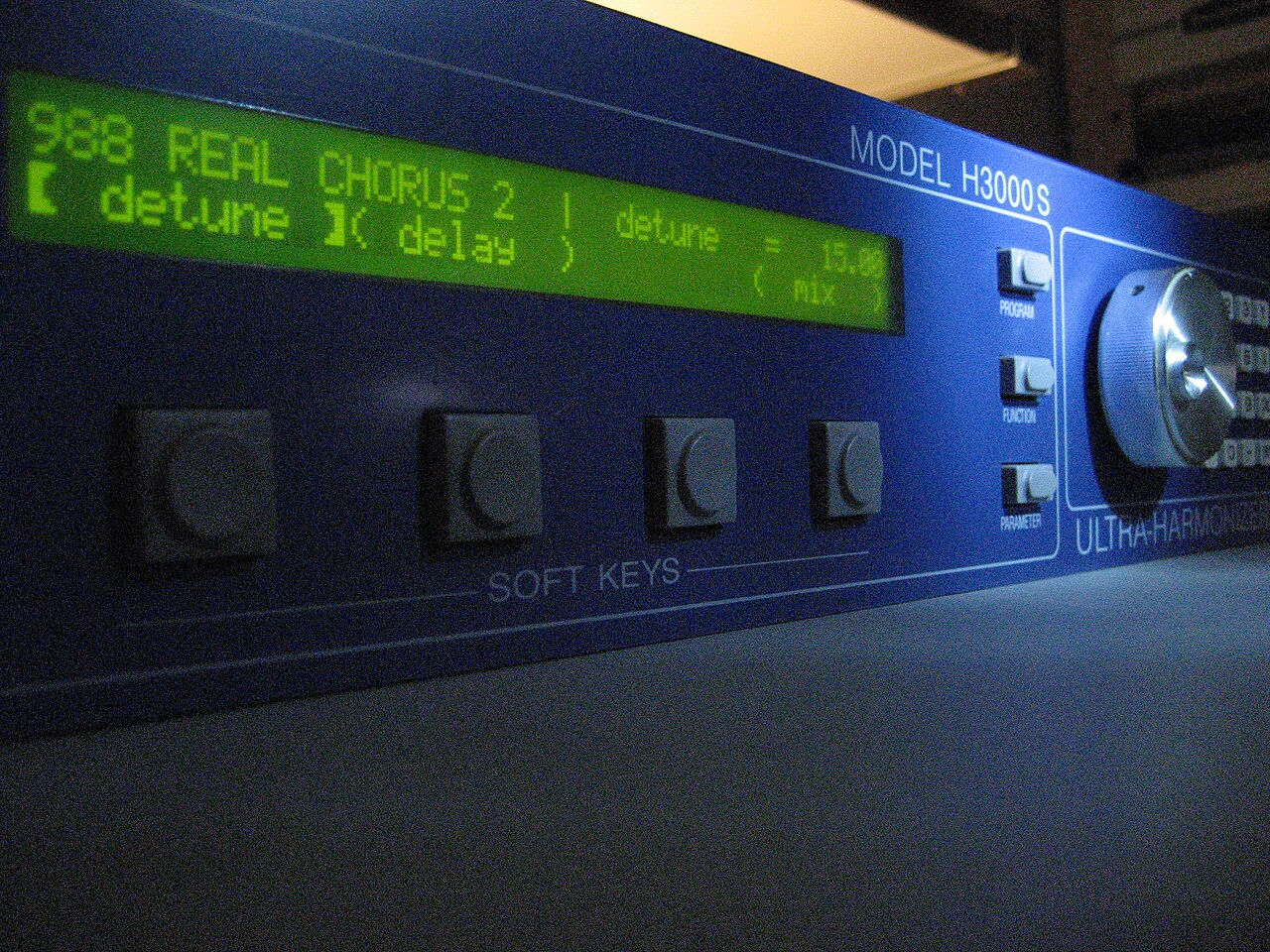
Effect pedals evolved from early studio and live sound techniques in the mid-20th century, when engineers and players sought ways to extend an instrument's palette. Through the 1960s and 1970s compact stompboxes became popular for electric guitars and bass guitars, with subsequent decades bringing solid-state circuits, analog-digital hybrids and fully digital multi-effects units. Innovations have included improved switching methods, buffered signal paths, and modeling of classic amplifiers and cabinets.
Setup, operation and practical notes
Pedals are usually placed on the floor and activated with the player's foot. Operation methods vary: latching footswitches toggle an effect on/off, momentary switches require holding the pedal down, and rocker-style expression pedals change parameters continuously. A player's signal typically flows through a chain of pedals, and order matters: for example, dynamics and gain staging before time-based effects often yields clearer repeats. Volume-related controls such as a dedicated volume pedal affect overall level and can sit in different positions in a chain depending on the desired response.
Practical organisation and travel
Because players commonly use several pedals together, they are mounted on a board and connected with short patch cables; many artists secure units to a flat surface using hook-and-loop fasteners or clamps. This arrangement, a pedalboard, simplifies transport and powering while keeping the setup consistent for rehearsals and performances. For more detailed guides to connections, signal chains and buying choices, see manufacturer and community resources such as phone connector wiring notes, adaptor compatibility pages and pedalboard tutorials at flat surface setup guides.
As a practical instrument accessory, the effect pedal remains a core tool for shaping modern electric and amplified sounds across styles from rock and jazz to electronic music and experimental genres. For targeted advice about a specific effect, circuitry or chaining technique consult detailed resources and product documentation found through reputable retailers and technical guides.
Further reading and external resources: electronics overview, instrument signal basics, voice effects, echo principles, distortion types, potentiometers, guitar use, bass use, amplifier matching, cable types, connector notes, playing technique, volume control, pedalboard tips.
Related articles
Author
AlegsaOnline.com Effect pedal Leandro Alegsa
URL: https://en.alegsaonline.com/art/30335