
Ektara: the single-string folk lute of South Asia and beyond
Ektara is a simple one-string plucked instrument used by wandering bards and devotional singers across South Asia and parts of North Africa. This article explains its form, history, technique, and regional varieties.
The ektara (literally "one string") is a simple plucked instrument most commonly associated with folk and devotional music traditions of South Asia and, in some forms, parts of North Africa. It is particularly well known in Bangladesh, India, and Pakistan, where itinerant singers and rural communities have used it for centuries as a rhythmic and melodic drone instrument. Variants and similar single-string devices appear in other regions such as Egypt and in many oral-musical cultures worldwide. Many contemporary descriptions emphasize the instrument's role as accompaniment for storytelling, devotional songs, and rustic dance music.
Image gallery
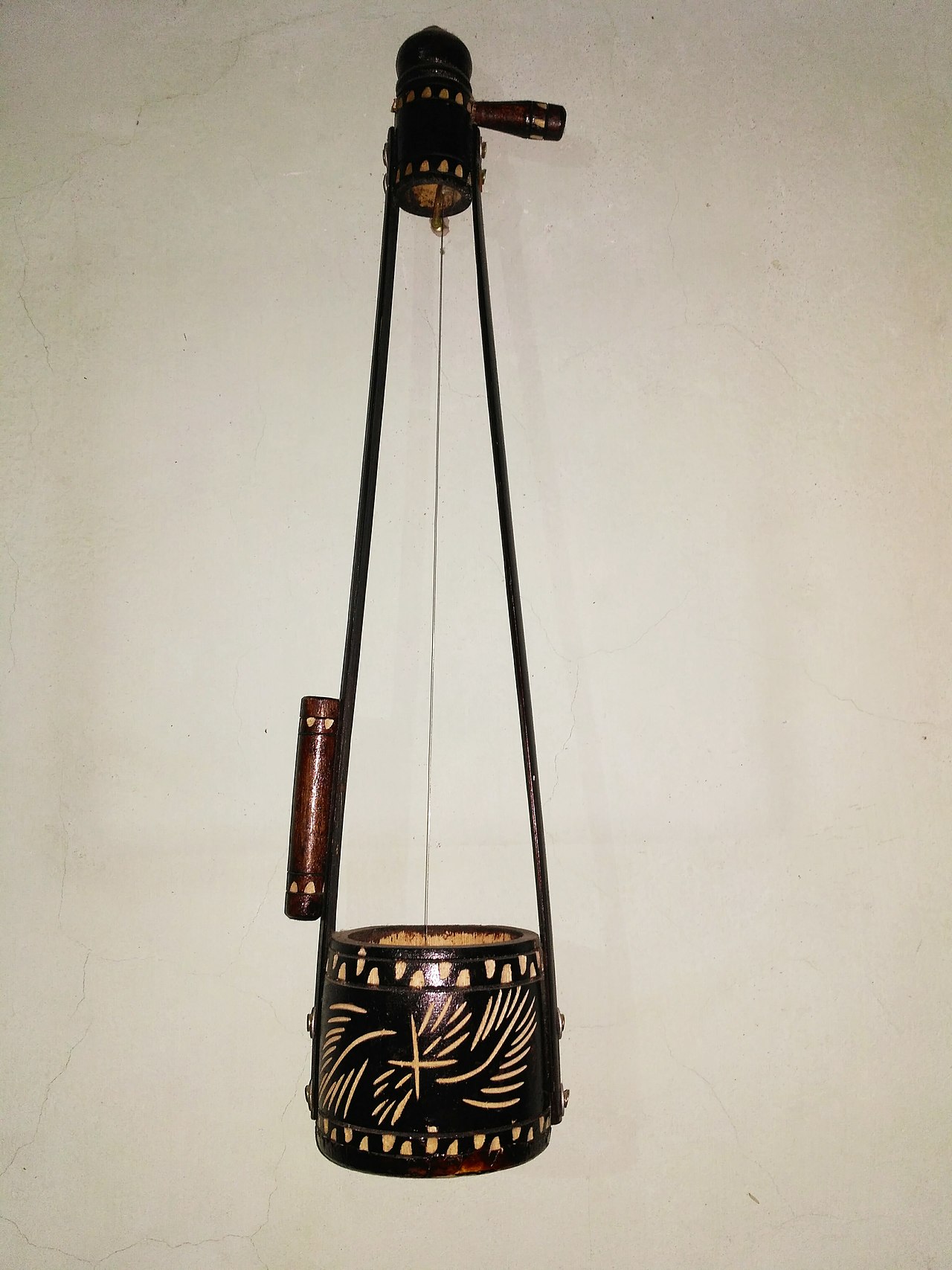
8 Images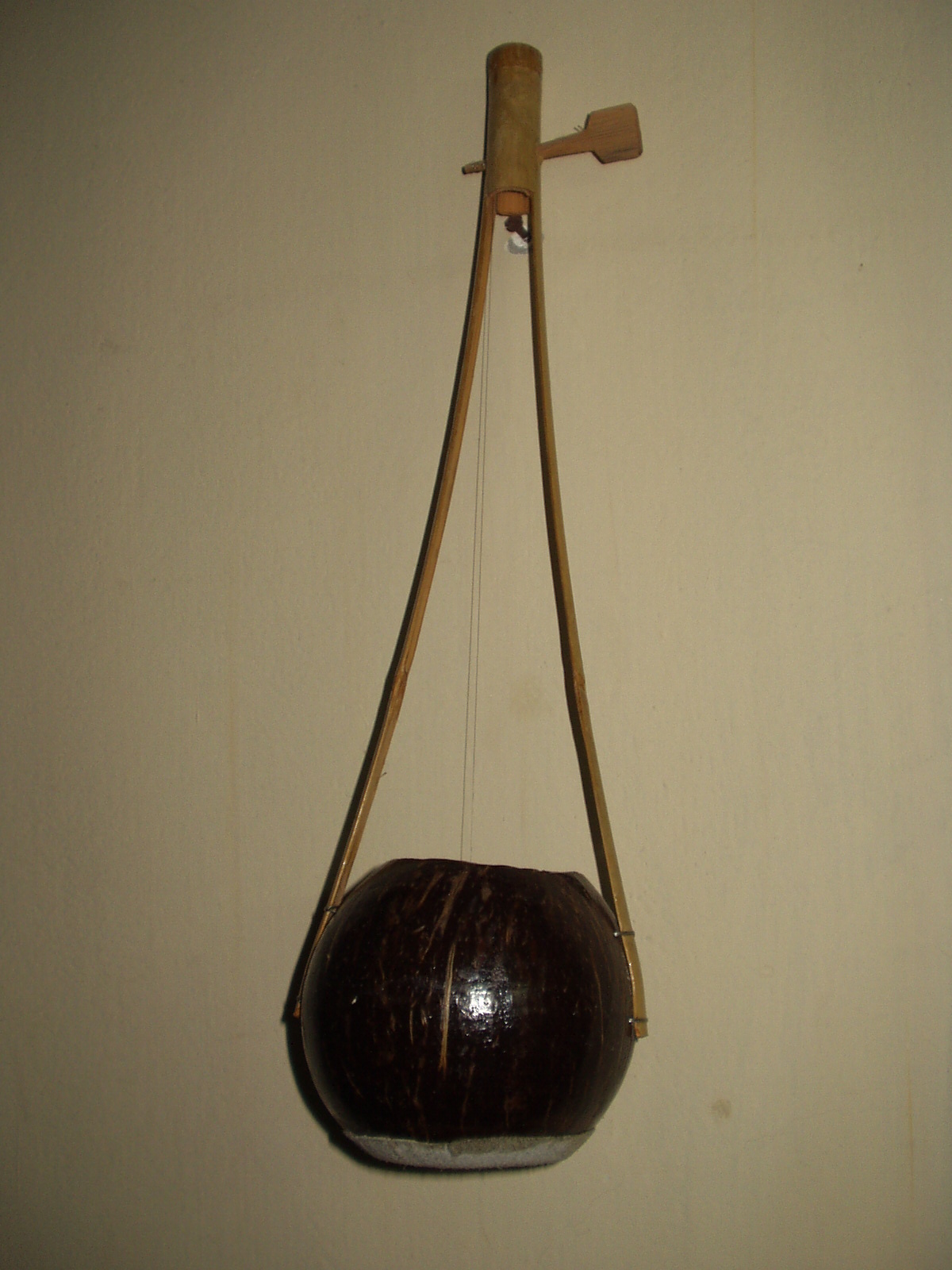
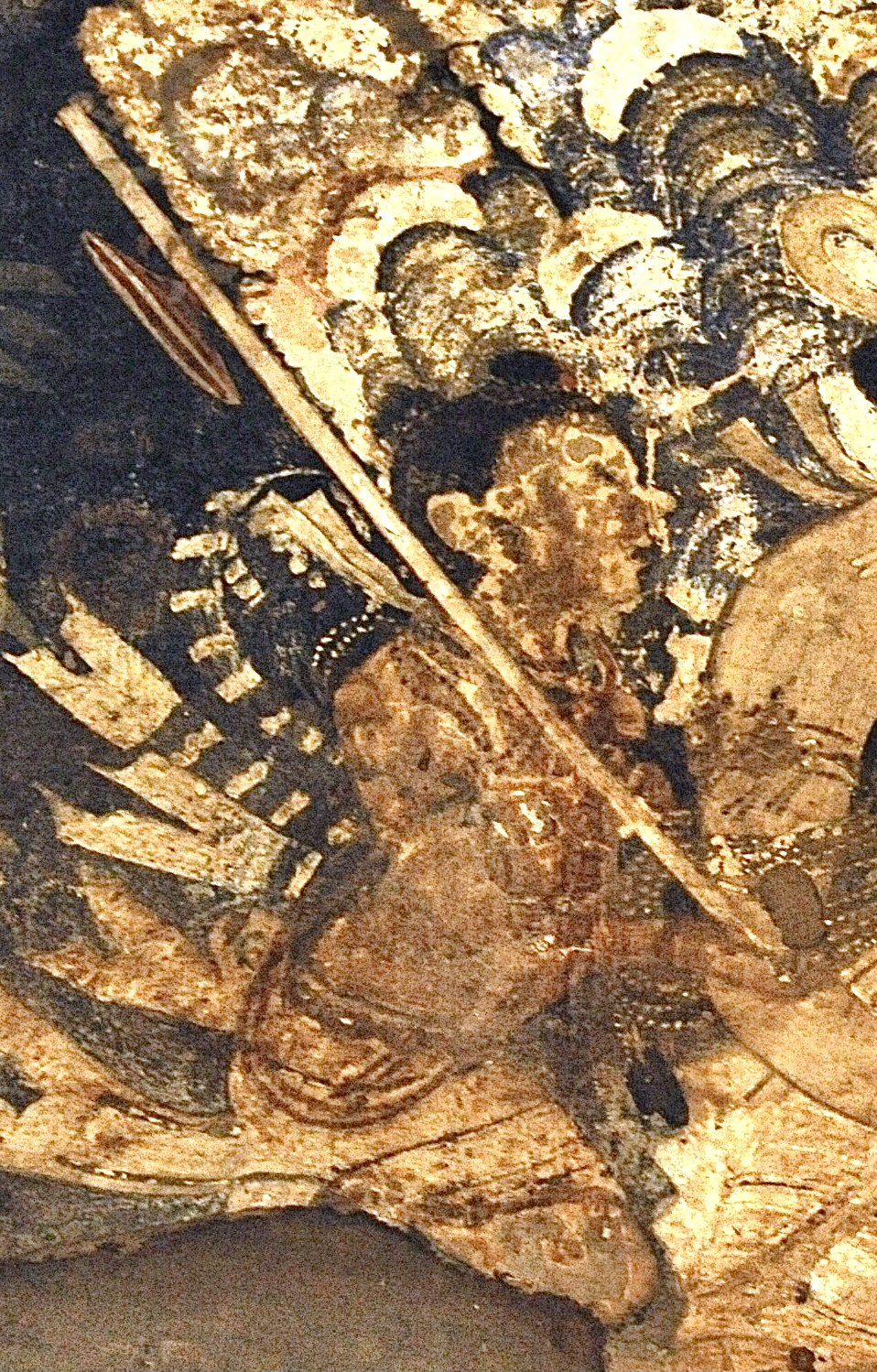



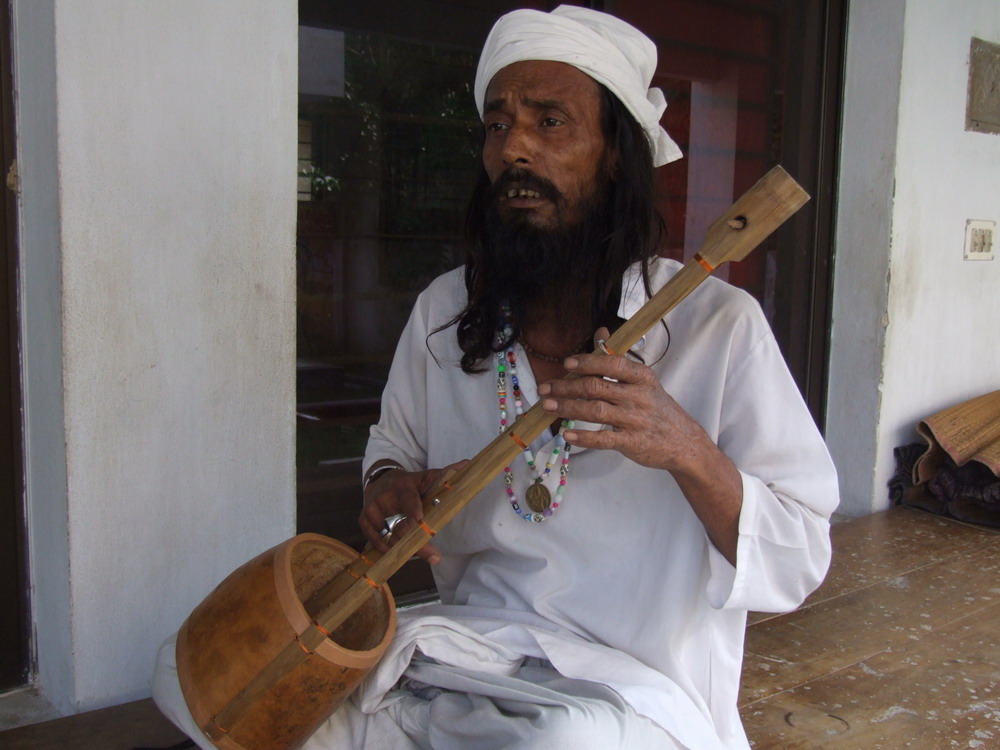
Construction and physical characteristics
At its core the ektara is extremely simple: one stretched string attached to a resonator and a neck. The resonator can be made from a dried gourd, a hollowed coconut shell, wooden soundbox, or a carved pumpkin; an animal skin or thin membrane often covers the resonator to form the sounding surface. The neck is typically a thin pole or a split bamboo cane. A bridge supports the string across the resonator and the tuning peg or simple knot at the top secures the string. Pressing the two halves of some split-neck types alters tension and thus changes pitch, allowing expressive pitch bending while playing.
Playing technique and musical role
The ektara is normally plucked with a thumb or a single finger: its single string provides a steady drone or a limited melodic line. Players vary finger pressure on the neck, adjust the string tension, or strike near the bridge to alter timbre and pitch. In many traditions the ektara is used primarily to accompany singing, providing a rhythmic pulse and tonal center rather than elaborate harmony. It is common in kirtan and bhajan settings (devotional call-and-response singing), as well as among wandering minstrels, bards, and street performers where portability and immediate sonic presence are valued.
Regional variations and related instruments
- South Asia: In parts of India and Bangladesh the ektara often appears alongside drums and cymbals, and related multi-string instruments such as the dotara incorporate two or more strings to extend melodic range. See regional traditions in Bangladesh and India.
- Pakistan: Similar single-string lutes are used in rural and Sufi music contexts; itinerant singers may favor the ektara for its simplicity and strong drone quality. See musical contexts in Pakistan.
- North Africa and West Asia: Instruments with analogous construction and function occur in places such as Egypt and neighboring regions, though local names and playing practices differ.
- Related instruments: The dotara ("two-string") and gopichand (a tension-bending, two-piece neck instrument) share ancestry or functional similarity with the ektara.
History and cultural importance
The ektara's history is tied to oral and itinerant musical cultures. Its easy construction from readily available materials made it an instrument of the rural poor, mendicant singers, and wandering performers rather than courtly ensembles. Over time it became strongly associated with devotional movements (for example, bhakti and Sufi practices) where simple, repetitive accompaniment supports communal singing. Because the ektara can be made from locally available gourds, wood and cane, it persisted in many regions even as more complex instruments developed.
Notable facts and distinctions
Although commonly called "one string," some instruments in the family are labeled by related names that imply two or more strings (for example, dotara). The term "ektara" can refer to a range of designs: soprano-sized hand-held models, larger tenor types, and even bass versions used for lower drone. The instrument's expressive bent-note technique—achieved by changing neck pressure or string tension—gives it a distinctive sound that supports both rhythmic drive and plaintive melodic inflection. For further reading on regional practice and construction techniques consult resources focusing on folk instruments and the musical cultures of South Asia.
Although often overlooked in surveys of classical music, the ektara remains an emblematic voice of vernacular and devotional musical life, a reminder that powerful musical expression can arise from the simplest of instruments.
Questions and answers
Q: What is an ektara?
A: The ektara is a one-string instrument that is most often used in traditional music from Bangladesh, India, Egypt, and Pakistan.
Q: What is the origin of the ektara?
A: The ektara was a regular string instrument of wandering bards and minstrels from India.
Q: How is the ektara played?
A: The ektara is plucked with one finger.
Q: What materials are used to make an ektara?
A: The ektara usually has a stretched single string. An animal skin is over a head made of dried pumpkin/gourd, wood, or coconut. The neck is a pole or split bamboo cane.
Q: How is the sound of an ektara changed?
A: The sound can be changed many ways by slight changes in pressure.
Q: What are the different sizes of ektara?
A: The various sizes of ektara are soprano, tenor, and bass.
Q: Do all ektaras have one string?
A: The ektara usually has a stretched single string, but the bass ektara, sometimes called a dotara, often has two strings.
Related articles
Author
AlegsaOnline.com Ektara: the single-string folk lute of South Asia and beyond Leandro Alegsa
URL: https://en.alegsaonline.com/art/30531