
Edward J. Smith (1850–1912): Captain of the RMS Titanic
Biography of Edward John Smith, the English sea captain best known for commanding the RMS Titanic on her 1912 maiden voyage; career, sinking, conflicting accounts of his fate, and cultural legacy.
Edward John "E. J." Smith (27 January 1850 – 15 April 1912) was an English merchant navy officer who became widely known as the captain of the ocean liner RMS Titanic. A senior captain in his profession, Smith had a long career at sea and a reputation for commanding large passenger liners. He was scheduled to retire after the Titanic's maiden voyage; instead he went down with the ship when it struck an iceberg in the North Atlantic and sank during the early hours of 15 April 1912, an event that claimed the lives of around 1,500 people following the disaster.
Image gallery
7 Images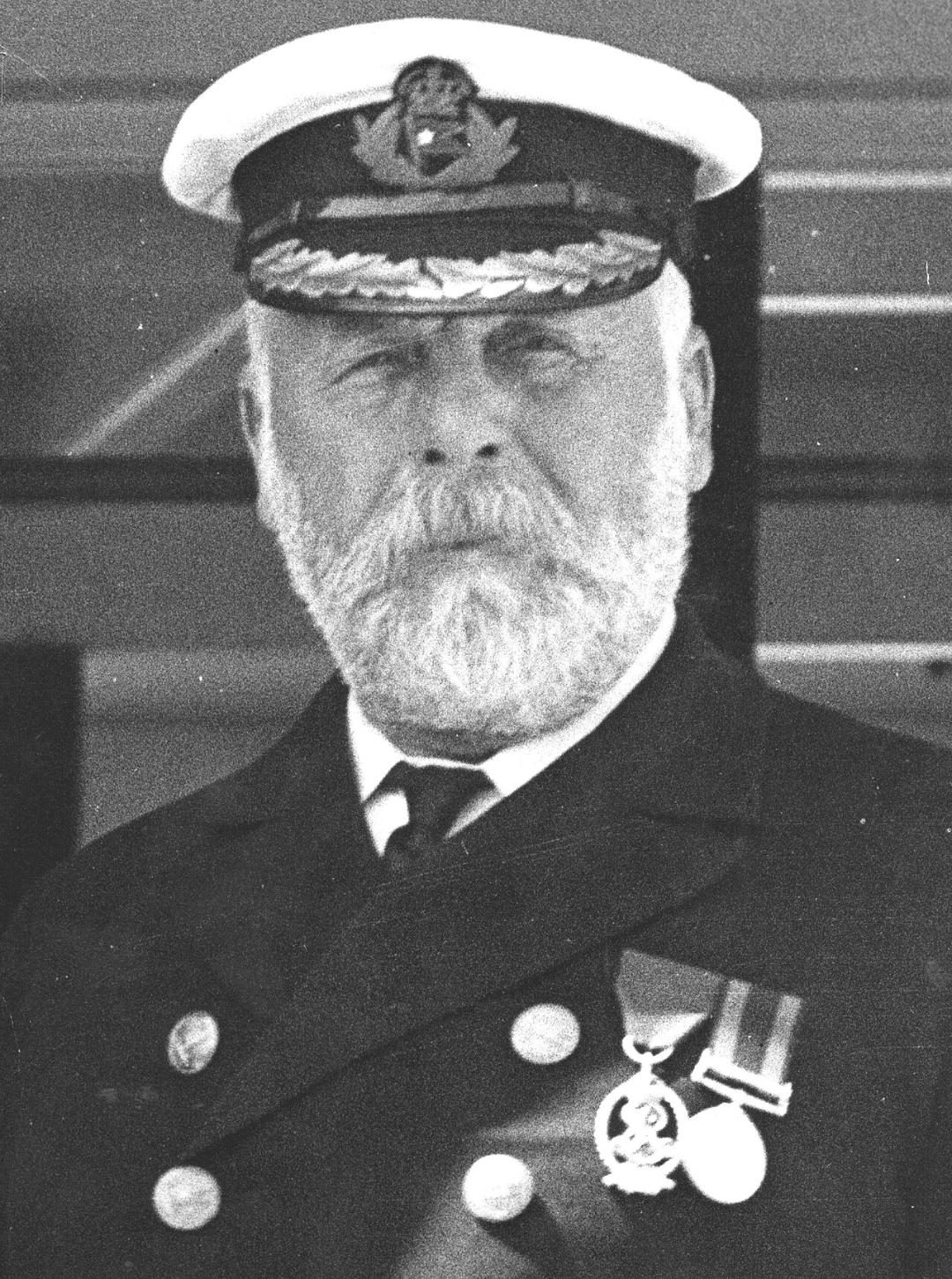


Early life and career
Smith was born in Hanley, Staffordshire, England, where he spent his early years before beginning a life at sea. He progressed through the ranks of the British merchant navy and became associated with large passenger liners at a time when transatlantic travel was expanding rapidly. Over many years he gained the experience and seniority that led to his selection to command some of the largest ships of his employer. His background has been described in accounts of British seafaring and the shipping industry of the late 19th and early 20th centuries. Sources note his marriage and that he left a surviving daughter when he died.
Titanic voyage and the collision
The Titanic departed on her maiden voyage in April 1912 with Captain Smith in command. The ship struck an iceberg during the night of 14–15 April. Contemporary reports and later inquiries described immediate attempts to assess the damage and begin evacuation. The collision and rapid flooding of several watertight compartments placed the vessel beyond recovery within hours. Accounts vary on precise timing and sequence of events, but most agree that the crew and officers, under the captain's direction, tried to manage the evacuation by launching lifeboats and organizing passengers according to the prevailing social norms and safety procedures of the time.
Actions during the sinking
Eyewitnesses described Captain Smith as active on deck during the evacuation, issuing orders and encouraging orderly behaviour. He is reported to have supervised the lowering of lifeboats and to have asked officers and crew to give priority to women and children. Some survivors recalled seeing him with a megaphone or speaking to groups on deck; others remembered him making final rounds and relieving certain crew members of duty so they might try to save themselves. The testimony collected after the disaster presents a picture of a commander trying to maintain discipline and reduce panic amid a chaotic and deteriorating situation.
Fate and conflicting accounts
No confirmed body of Captain Smith was recovered, and his ultimate fate near the end of the sinking remains unresolved in detail. Various witnesses provided differing and sometimes contradictory reports: some believed they saw him on the bridge when the ship went down, others placed him in the water near overturned collapsible lifeboats, and still others reported that he may have been seen attempting to reach a lifeboat. A small number of accounts suggested more dramatic endings, but historians consider several of those versions unverified. Because of the turmoil and darkness of the disaster, the absence of definitive physical evidence means the exact circumstances of Smith's death cannot be stated with certainty.
Legacy, inquiry, and portrayals
Captain Smith's name has remained closely linked with the Titanic catastrophe. He was called to public attention during official inquiries held after the sinking, which examined navigational decisions, wireless communication, lifeboat procedures and other factors. His planned retirement after the voyage contributed to cultural narratives that emphasize the finality of the event for an experienced master. Over the years his life and actions have been depicted in numerous books, documentaries and dramatic productions. He has been portrayed on film and television by actors including George C. Scott and Bernard Hill, and his role continues to be a subject of historical discussion and popular interest.
Notable facts and distinctions
- Smith was born in Hanley, Staffordshire, and spent his career in the British merchant marine; broad biographical details place his origins in Hanley and in England.
- He was the commanding officer of a new, large ocean liner on her maiden transatlantic voyage when disaster struck; the collision with an iceberg has been widely analysed in maritime history and safety studies (iceberg collision).
- Smith had been expected to retire after the Titanic’s first voyage, a fact often noted in accounts of the sinking and its human drama.
- The conflicting eyewitness testimonies about his last hours reflect the confusion inherent in large maritime disasters and have fed both historical inquiry and popular speculation.
For readers seeking more detail, contemporary reports, inquiry transcripts and modern maritime histories offer extensive material on the Titanic, its officers and crew, and the technical and procedural lessons learned from the disaster. Further reading and documentary resources are available through many archives and publications devoted to early 20th-century maritime history. Professional maritime biographies, ship histories and specialized works provide fuller context for Smith’s career and the circumstances of April 1912.
Related articles
Author
AlegsaOnline.com Edward J. Smith (1850–1912): Captain of the RMS Titanic Leandro Alegsa
URL: https://en.alegsaonline.com/art/30275
Sources
- the-titanic.com : "Captain Edward Smith"
- bbc.co.uk : "Plaque for Titanic captain's house in Stoke-on-Trent"
- titanicinquiry.org : titanicinquiry.org/USInq/AmInq04Peuchen02.php
- williammurdoch.net : Robert Williams Daniel, first class passenger
- titanicinquiry.org : titanicinquiry.org/BOTInq/BOTInq09Brown01.php
- titanicinquiry.org : Testimony of Samuel Hemming
- books.google.com : The Titanic for Dummies
- rmstitanicremembered.com : (website)