
Edward Albee: American playwright of domestic drama and absurdist edge
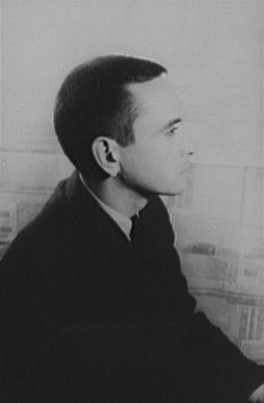
Edward Albee (1928–2016), influential American playwright known for Who's Afraid of Virginia Woolf?, The Zoo Story, and three Pulitzer Prizes; noted for sharp dialogue, dark comedy, and examinations of marriage and identity.
Edward Albee was a leading American dramatist of the mid‑ to late‑20th century, whose work reshaped postwar theater by combining caustic realism, elements of the Theater of the Absurd, and intense examinations of personal and social identity. He first came to wide attention with short, provocative pieces such as The Zoo Story and The Sandbox, and is best known for the play Who's Afraid of Virginia Woolf?, which became a landmark stage hit and a major film.
Image gallery
7 Images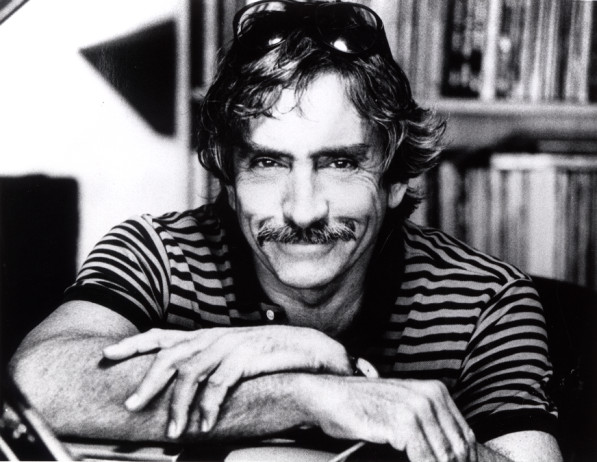


Notable works and recognitions
Albee's career included a mix of one‑acts, full‑length plays, revivals and adaptations. Some of his most frequently cited works are listed below; these titles illustrate the range of tone and form in his output.
- The Zoo Story (1958) — an intense, single‑room encounter play.
- The Sandbox (1959) — a short, symbolic piece on family and mortality.
- Who's Afraid of Virginia Woolf? (1962) — his most famous play, later adapted into an acclaimed film.
- He also worked on a theatrical adaptation of Breakfast at Tiffany's (1966) and continued to write into late life.
Albee won several top honors in American drama, including three Pulitzer Prizes for Drama (for A Delicate Balance, Seascape, and Three Tall Women), and his work has been the subject of extensive study and major productions worldwide. For overviews of his bibliography and career milestones, see career overview and selected works.
Themes and style
Albee is widely recognized for sharp, often acerbic dialogue, scenes of escalating psychological pressure, and dramaturgy that exposes the fragility of social roles and marriage. He mixed bitter comedy with bleak insight, drawing on absurdist techniques to unsettle audiences and prompt moral or existential questions. Critics and scholars have analyzed his recurring concerns with truth versus illusion, performance in private life, and the long shadow of social expectations; for critical material, consult critical studies.
History and influence
Emerging in the late 1950s, Albee became a central figure in renewing American stage drama, helping to push Broadway and regional theaters toward more psychologically driven, confrontational work. His plays inspired actors and directors with roles that require intense emotional range, and several pieces—most notably Who's Afraid of Virginia Woolf?—entered popular culture through acclaimed film and television versions. Details on archival collections and production histories can be found at archival resources.
Personal notes and legacy
Open about his sexuality in a period when many public figures were not, Albee spoke about his experience as a gay man and how personal identity informed his work. He died in 2016 in Montauk, New York, at the age of 88 from complications related to diabetes. For biographies and memorial materials, see biographical resources. His plays remain staples of academic study and repertory theater, valued for their linguistic precision and their willingness to confront social and private contradictions.
Albee's influence persists in contemporary drama: playwrights and directors continue to draw on his techniques of psychological escalation, moral provocation, and the staging of intimate cruelty, ensuring that his works remain staged, taught, and debated around the world.
Related articles
Author
AlegsaOnline.com Edward Albee: American playwright of domestic drama and absurdist edge Leandro Alegsa
URL: https://en.alegsaonline.com/art/30255