
Ebersberg (district)
Rural district in Upper Bavaria, Germany, east of Munich. Known for the Ebersberger Forst, small towns and commuter links to Munich, with mixed forestry, agriculture and local industry.
Overview
Ebersberg is a rural administrative district in Upper Bavaria in southern Germany. The district's administrative centre is the town of Ebersberg. Located to the east of Munich, it combines small towns and villages with extensive woodland and agricultural land, forming a transition zone between the Munich metropolitan area and more rural parts of Bavaria. For official information see the district website: Ebersberg district.
Image gallery
1 Image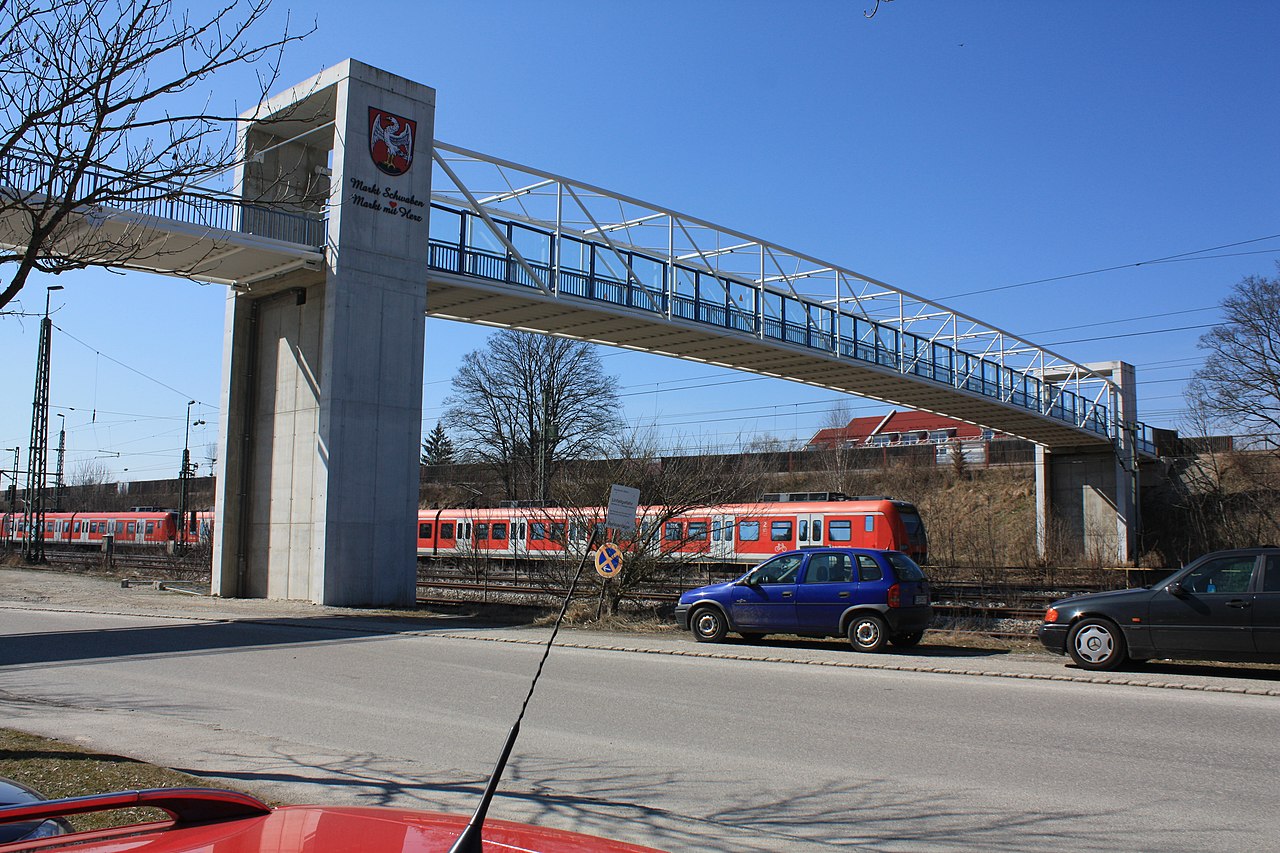
Geography and landscape
The district is characterized by a mixture of forests, rolling farmland and small waterways. A large contiguous forest known as the Ebersberger Forst dominates parts of the landscape and provides important recreational space and habitat for wildlife. Proximity to Munich shapes parts of the district: commuter towns lie close to major roads and regional rail lines while more remote municipalities retain rural character. Ebersberg sits within the larger cultural and administrative region of Upper Bavaria.
History and administration
The settlements in the area have medieval roots and developed under Bavarian territorial structures over many centuries. The modern district organization emerged through administrative reforms in Bavaria during the 19th and 20th centuries and was adjusted again during municipal restructuring in the postwar period. Today the district is one of Bavaria's many Landkreise and forms part of Germany's local government framework: Germany.
Economy, transport and settlement
Ebersberg's economy reflects a mix of agriculture, forestry, small and medium-sized enterprises, and service businesses. Many residents commute to jobs in Munich and surrounding cities, supported by regional rail and road connections as well as local public transport. Towns such as Ebersberg and nearby market towns provide local administration, schools and commercial services while smaller villages focus on farming and local crafts.
Culture, recreation and notable features
The district is popular for outdoor recreation: walking, cycling and nature study are common in the forested areas. Local cultural life includes parish churches, community festivals and small museums that document rural Bavarian traditions. Conservation and sustainable forestry are frequently highlighted priorities for local authorities and citizen groups.
Key points
- Seat: Ebersberg (district capital)
- Region: Upper Bavaria
- Landscape: woodland (Ebersberger Forst), farmland, small towns
- Transport: regional rail and road links to Munich support commuting
- Character: largely rural but influenced by nearby metropolitan area
Ebersberg district blends natural landscapes with local industry and commuter settlements, making it representative of the areas that fringe large German cities: historically rooted, administratively defined, and valued today for both its natural amenities and its role within the regional economy.
Related articles
Author
AlegsaOnline.com Ebersberg (district) Leandro Alegsa
URL: https://en.alegsaonline.com/art/29835