
Eastern lowland gorilla (Grauer's gorilla)
Subspecies of eastern gorilla native to eastern Democratic Republic of the Congo, notable for its size, social behavior, habitat, and critical conservation status.
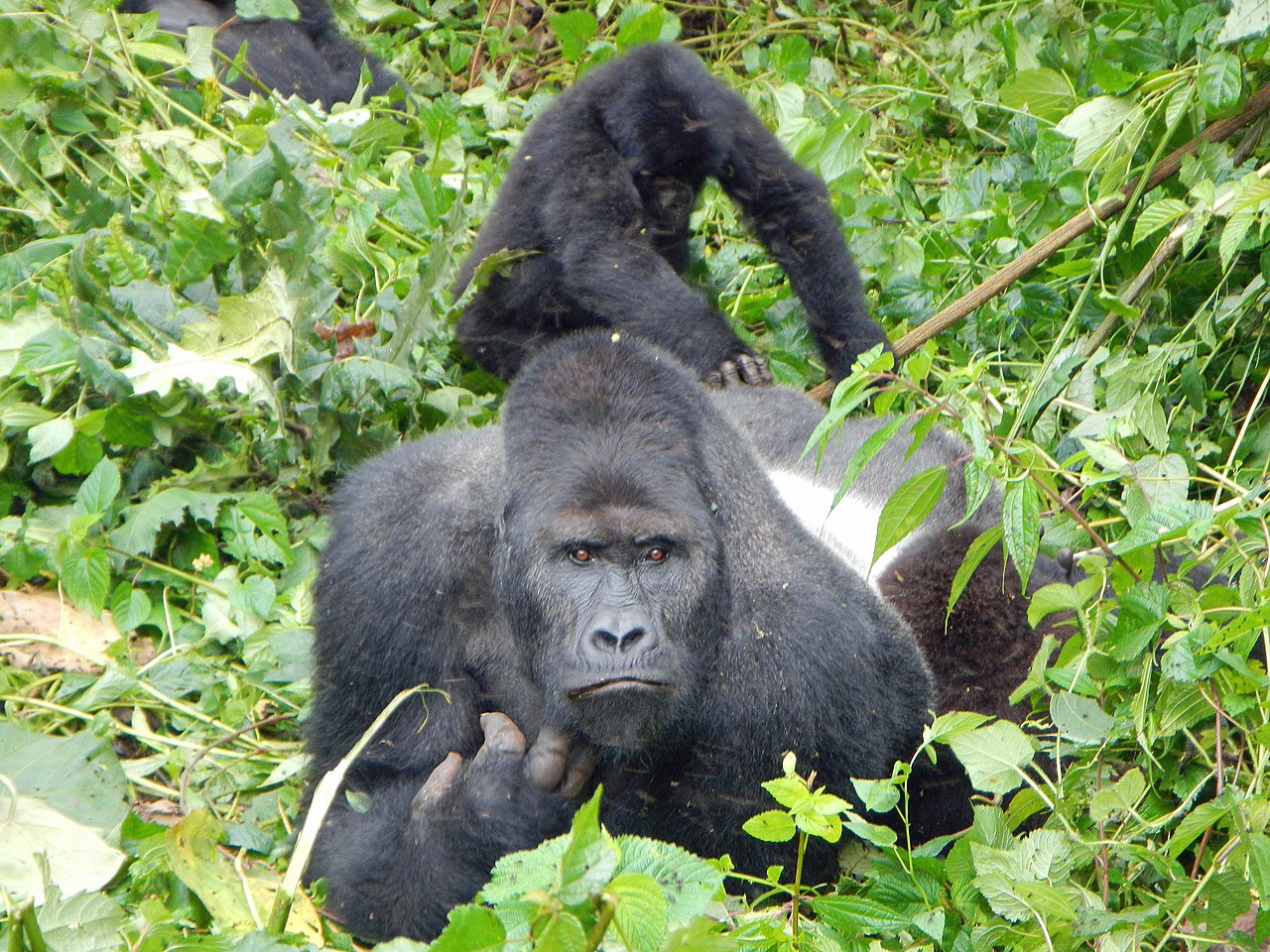
The eastern lowland gorilla, also known as Grauer's gorilla (Gorilla beringei graueri), is one of the two subspecies of the eastern gorilla. It is native to the forests and montane slopes of eastern Democratic Republic of the Congo and is the largest of the four commonly recognized gorilla subspecies. The animal is often called Grauer's gorilla in honor of the explorer after whom it was named. Much of what is known about this subspecies comes from field studies, surveys, and conservation research carried out in its limited range.
Image gallery
6 Images



Physical characteristics
Eastern lowland gorillas are powerfully built, with broad chests and muscular limbs. Their fur is generally dark—often described as jet black—with hair on the head and body shorter than that of the mountain gorilla. Adult males develop the characteristic silvering of the back and hips as they mature, earning the name "silverback." Compared with other gorilla types they tend to be larger in body mass, though size can vary with habitat and nutrition.
Behavior and ecology
These gorillas live in social groups typically led by a dominant adult male (the silverback) and include several females and their offspring; group size is flexible. Their diet is mainly vegetarian, consisting of leaves, stems, fruits and other plant parts, with occasional consumption of small invertebrates. They spend much of the day foraging and build nests of vegetation for sleeping. Reproductive rates are slow, with long periods between births, and offspring remain dependent on their mothers for several years.
Range and habitat
The subspecies is restricted to eastern parts of the Democratic Republic of the Congo, inhabiting lowland and montane forests. Their distribution and movements are influenced by seasonal food availability and human activity. For a broader context on taxonomy and related forms, see the entry for the eastern gorilla. The political and logistical challenges of surveying their range are notable; many populations occur in areas affected by instability in the DRC (Democratic Republic of the Congo).
Conservation status and threats
The eastern lowland gorilla is considered to be under severe threat and is treated as a high conservation priority. Major pressures include habitat loss from agriculture and logging, hunting and poaching, illegal trade, and impacts linked to mining and regional conflict. Infectious diseases that affect great apes can also reduce populations. Conservation actions include protected areas, anti-poaching patrols, community engagement, and scientific monitoring, though success varies with local conditions and resources. Comparisons with other gorilla taxa, such as the mountain gorilla and western gorillas, highlight differences in range and threat profiles; this subspecies is generally larger than the mountain gorilla and occupies different forest types (four gorilla subspecies).
Importance and notable facts
- Ecological: As large herbivores, they influence forest composition and seed dispersal.
- Cultural and scientific: They are subjects of ecological and behavioral studies and hold significance for local communities and global biodiversity.
- Conservation focus: Protection of this subspecies often requires integrated approaches that combine habitat protection, law enforcement, health monitoring, and local development.
Ongoing research and conservation work aim to better understand population trends, habitat needs, and effective measures to reduce threats. Given the complex social and political landscape of their range, protecting eastern lowland gorillas remains both a scientific and humanitarian challenge.
Related articles
Author
AlegsaOnline.com Eastern lowland gorilla (Grauer's gorilla) Leandro Alegsa
URL: https://en.alegsaonline.com/art/29764
Sources
- iucnredlist.org : "Gorilla beringei ssp. graueri"