
Alpha male
A social concept for the highest-ranking male in animal groups; used in ethology to describe dominance and in human culture as a metaphor, often oversimplified or contested.
Overview
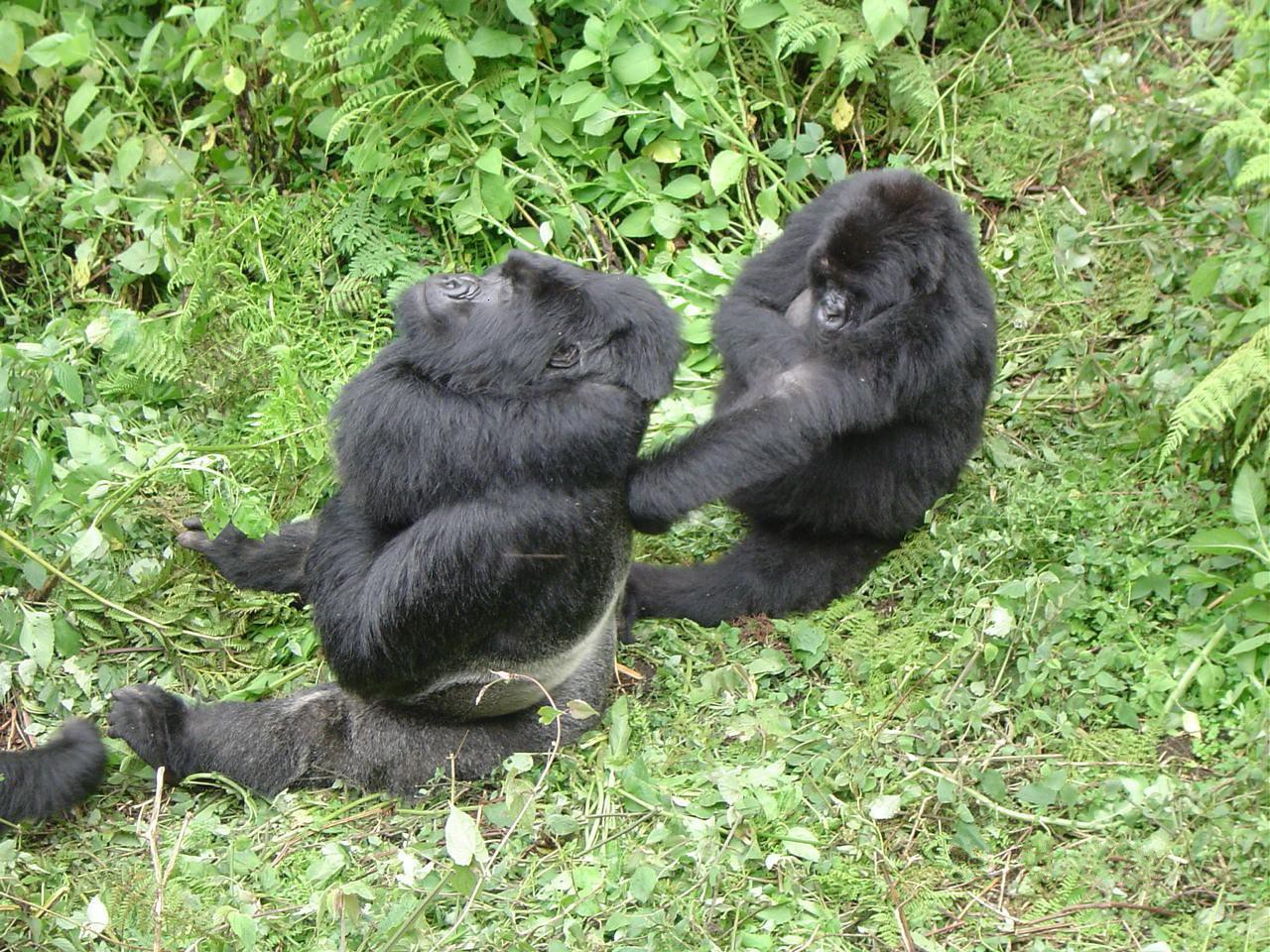
An "alpha male" traditionally refers to the highest-ranking adult male in a social group of animals. In zoology and ethology the term describes an individual that occupies a dominant position, with priority access to resources such as food, mates and preferred resting sites. The phrase is sometimes used loosely in human contexts as a metaphor for social dominance or leadership. For animal-focused definitions see mammalian social group.
Image gallery
4 Images


Characteristics and behavior
Alpha males are often identified by observable behaviors rather than a single trait. Common characteristics may include physical strength, assertive social interactions, control of territory, and the ability to influence group movements. Behaviors associated with alpha status can include displays, aggression, mounting, scent marking, and priority feeding. In many species dominance is maintained through a mix of competition and social alliances.
History and scientific context
The concept emerged from studies of social hierarchies in captive and wild animals, particularly primates and canids. Early field and captive observations led researchers to label top-ranking individuals "alphas," but later work refined the idea: dominance can be fluid, context-dependent and different from cooperative leadership. Modern ethology emphasizes variation between species and within populations.
Human use, pop culture, and misconceptions
In popular culture the term "alpha male" has been adopted by self-help, business and dating advice communities to describe an archetypal dominant man. This human application often simplifies complex social dynamics, conflates dominance with leadership, and overlooks traits like empathy, skill and reputation that shape influence in groups. Social scientists distinguish dominance-based influence from prestige-based leadership.
Importance and distinctions
Understanding alpha status helps explain reproductive access, resource allocation and conflict resolution in animal societies. It is not a universal label: some species organize around cooperative breeding, pair bonds or egalitarian structures without a clear alpha. Ethologists caution against direct one-to-one transfer of the term to human social roles.
Summary
"Alpha male" remains a useful descriptive term in animal behavior for top-ranking males, but its meaning varies by species and context. In humans it functions largely as a cultural metaphor; careful study distinguishes dominance from other forms of social influence and leadership.
Related articles
Author
AlegsaOnline.com Alpha male Leandro Alegsa
URL: https://en.alegsaonline.com/art/2962