
Alojz Rebula: Slovene Writer, Playwright and Essayist (1924–2018)
Alojz Rebula was a prominent Slovene-language novelist, playwright, essayist and translator from the Slovene minority in Italy, known for works exploring identity, faith, history and the experience of exile.
Alojz Rebula (21 June 1924 – 23 October 2018) was a Slovene-language writer, dramatist and essayist who lived and wrote in the Slovene community around Trieste. He produced novels, plays, essays and translations and was an influential voice for the Slovene minority in Italy. Throughout his career Rebula engaged with questions of cultural identity, moral responsibility and the human consequences of political conflict.
Image gallery
1 Image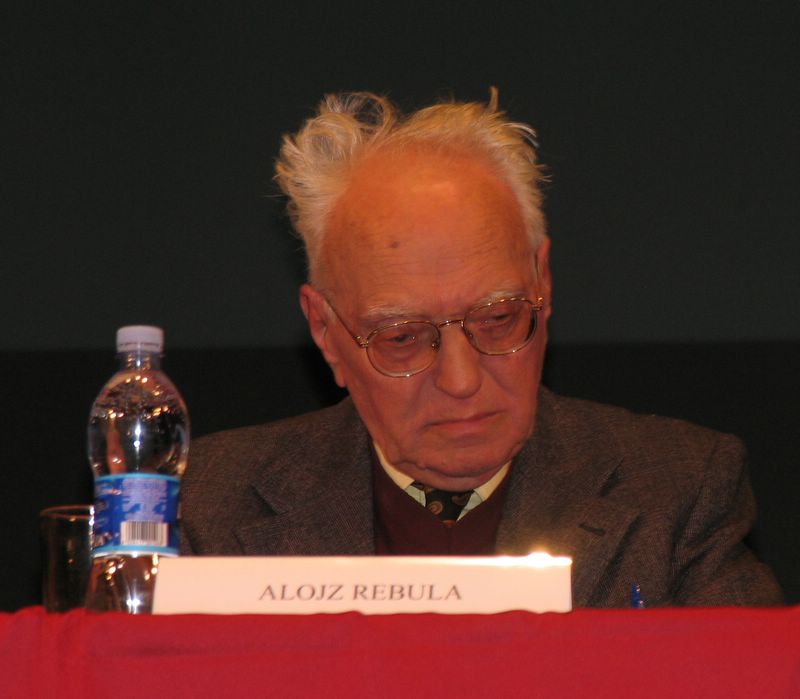
Roles and literary focus
Rebula worked in several literary forms: as a writer, a playwright and an essayist, and he also served as a translator between languages. His prose and drama are frequently marked by careful reflection, ethical inquiry and an attention to the fate of people living between cultures. He wrote primarily in Slovene and addressed readers both inside Slovenia and in the Slovene-speaking communities of Italy.
Context and development
Born into the Slovene minority that remained in the borderlands after World War I, Rebula lived for much of his life in Villa Opicina (Opicina), in the Province of Trieste in Italy. That setting—where Italian, Slovene and broader Central European histories intersect—shaped his concerns: the persistence of language and faith, exile and return, and the moral complexities of the 20th century. His career unfolded during decades of political tension in the region, and he became a public intellectual as well as a literary figure.
Public interventions and notable collaborations
Rebula took part in public debates about history and memory. In 1975 he and fellow writer Boris Pahor published a book-length interview focused on the poet and thinker Edvard Kocbek; the work discussed contested episodes from the immediate postwar period and included criticism of summary executions that took place in 1945. Rebula’s willingness to address painful historical questions made him a sometimes controversial but respected voice. He was also a member of the Slovenian Academy of Sciences and Arts and remained engaged with cultural institutions on both sides of the border.
Works, themes and influence
Rebula’s output encompassed fiction, drama, essays and translations. His themes often include the search for moral clarity in difficult times, the role of Christian faith in modern life, and the experience of living as a linguistic and cultural minority. He translated literary works into Slovene and helped make Italian and other writings accessible to Slovene readers, reinforcing cultural exchange in the region. Readers and critics have noted his commitment to ethical reflection and to the literary cultivation of memory.
Legacy and later life
Rebula spent his later years continuing to write and to speak on cultural matters. He died on 23 October 2018 at the age of 94 from a heart attack. His long career left a body of work that is frequently studied in Slovenian literary history and continues to be read by those interested in borderland identities, postwar memory and the literature of conscience. For further reading on aspects of his life and work see general references and literary surveys that cover Slovene writers of the 20th century, as well as regional studies of the Slovene minority in Italy.
- Primary language: Slovene; residence: Villa Opicina, Province of Trieste, Italy (regional info).
- Member of the Slovenian Academy of Sciences and Arts and active cultural commentator (institutional profile).
- Notable collaborator: Boris Pahor; interlocutor in discussions about Edvard Kocbek and postwar memory.
Related articles
Author
AlegsaOnline.com Alojz Rebula: Slovene Writer, Playwright and Essayist (1924–2018) Leandro Alegsa
URL: https://en.alegsaonline.com/art/2931
Sources
- ned.univie.ac.at : "Alojz Rebula" · web.archive.org
- delo.si : "FOTO:Umrl je Alojz Rebula"