
Alphonse Daudet: French novelist and storyteller (1840–1897)
Alphonse Daudet, a French novelist and short‑story writer, celebrated for Tartarin de Tarascon and Lettres de mon moulin. Known for vivid provincial scenes, laconic humor and popular appeal; father of Léon and Lucien Daudet.
Alphonse Daudet (13 May 1840 – 16 December 1897) was a prominent French novelist, dramatist and short‑story writer whose work combined regional color, comic invention and sentimental realism. He achieved both critical praise and wide popular readership in the late 19th century, producing books that remain referenced in discussions of provincial life, popular humor and the culture of the early Third Republic.
Image gallery
6 Images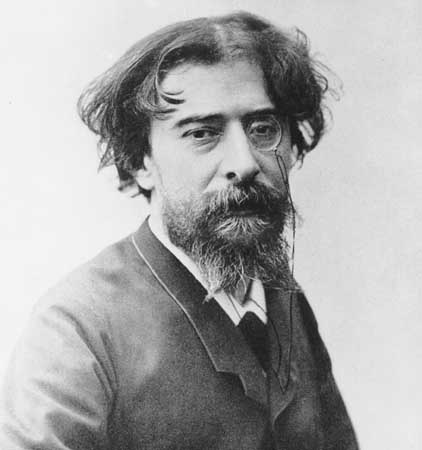


Life and career
Born in the south of France, Daudet moved to Paris as a young man and built a literary career through contributions to journals, feuilletons and the theatre. He published novels, sketches and tales that were accessible to a broad audience while retaining literary craft: economy of sentence, vivid dialogue and a fondness for small, picturesque details. He also raised a family; his sons Léon and Lucien Daudet later became public figures in letters and the arts.
Major works and style
Daudet wrote in several popular forms. His best‑known titles include:
- Tartarin de Tarascon — a humorous portrait of provincial bravado centered on an ostentatious hunter from the town of Tarascon.
- Lettres de mon moulin (Letters from My Windmill) — a collection of lyrical short stories and sketches blending local color with melancholy and wit.
- Fromont jeune et Risler aîné — a commercially successful novel addressing social ambitions and domestic conflict.
Across these works Daudet favored human, anecdotal narratives: characters who are comic, tender or pitiable rather than ideologically driven. His prose often balances satire and sympathy, and his scenes of provincial life influenced later popular and realist writers.
Reception and legacy
During his lifetime Daudet enjoyed broad popularity: his tales were adapted for the stage, illustrations and later for film. The figure of Tartarin entered French popular culture as a shorthand for bluster and good‑natured exaggeration. Literary historians credit him with helping to bridge journalistic feuilleton fiction and more serious realist traditions, while his shorter pieces remain models of compact, evocative storytelling.
Health and death
Daudet suffered a long illness in his later years that biographers attribute to complications from syphilis. He died in Paris in December 1897. His work is still read and anthologized for its combination of humor, regional atmosphere and accessible narrative craft.
Related articles
Author
AlegsaOnline.com Alphonse Daudet: French novelist and storyteller (1840–1897) Leandro Alegsa
URL: https://en.alegsaonline.com/art/2975