
Aloysius Gonzaga (1568–1591) — Italian Jesuit saint and patron of youth
Italian noble who renounced his inheritance to become a Jesuit; known for caring for plague victims in Rome and for his patronage of young students and Christian youth.
Overview
Aloysius Gonzaga (1568–1591) was an Italian aristocrat who entered the Society of Jesus and is venerated as a saint in the Roman Catholic Church. Born into the Gonzaga family at Castiglione delle Stiviere, he is remembered for his austere spirituality, commitment to education and prayer, and for ministering to the sick during a fatal epidemic in Rome. He died at the age of 23 and was later beatified and canonized by the Catholic Church.
Image gallery
10 Images



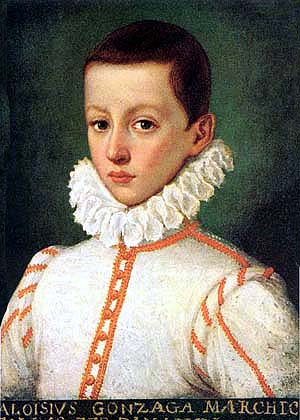
Early life and formation
Born into an influential household, Aloysius was sent away from home at a young age to receive a courtly education. At about eight years old he lived at the Medici court in Florence, where he received instruction in languages, etiquette and the arts expected of young nobles. Encounters with leading Catholic figures impressed upon him a desire for deeper religious life: he received First Communion after meeting the reforming bishop Charles Borromeo and gradually turned away from secular honors.
Religious commitment and Jesuit life
As a young man Aloysius renounced his claim to his family’s titles and entered the Jesuit novitiate. He adopted an ascetic routine of prayer, study and service. Although physically frail, he was known for strict discipline, devotion to the Eucharist, and care for others. His life combined elements typical of late 16th-century Catholic piety: intensive spiritual reading, daily Mass, and frequent use of the spiritual exercises favored by the Society of Jesus.
Service, illness, and recognition
In 1591, when an outbreak afflicted the city, Aloysius volunteered to assist those struck by the disease. While nursing the sick he contracted the illness himself and died shortly afterward. His humility, charity and early death contributed to a popular devotion that led to formal recognition by the Church: he was beatified in 1605 and canonized in 1726. His feast day is celebrated on June 21.
Legacy and patronage
Aloysius Gonzaga is primarily remembered as a model of youthful holiness. He is invoked as a patron of young students, Christian youth and of those seeking chastity and purity of life. Religious orders, schools and parish groups often name institutions for him to inspire disciplined study and generous service. His story is also cited in discussions about vocational discernment—how social privilege can be redirected toward religious and charitable ends.
Notable facts
- Place of birth: Castiglione delle Stiviere; noble house: Gonzaga.
- Renounced inheritance to join the Society of Jesus; life marked by austerity and prayer.
- Died while caring for victims of an epidemic in Rome.
- Beatified in 1605 and canonized in 1726; feast day on June 21.
For further reading on his life and influence, consult historical and devotional sources that place Aloysius within the context of post‑Reformation Catholic spirituality and Jesuit formation. Institutions that honor him today often emphasize both education and service as central elements of his legacy.
Related articles
Author
AlegsaOnline.com Aloysius Gonzaga (1568–1591) — Italian Jesuit saint and patron of youth Leandro Alegsa
URL: https://en.alegsaonline.com/art/2941